

How Can Dry Ice Containers Revolutionize Industrial Efficiency?
Imagine a manufacturing floor where downtime isn't just an annoyance—it's a costly bottleneck. Workers scramble to maintain temperature-sensitive products, but traditional cooling methods fail, leading to wasted materials and missed deadlines. This scenario is all too common in industries reliant on precise thermal management. But what if there was a smarter way? Dry ice containers, often overlooked, hold the key to solving these persistent challenges. In this blog, we'll dive into how these containers can transform your operations, from reducing costs to boosting productivity, with insights from HORECO2 Dry Ice Blasting Equipment & Service Co., Ltd., a leader in this niche field.
Deepening the Pain Points: Where Traditional Methods Fall Short
In sectors like food processing, pharmaceuticals, and logistics, improper temperature control can spell disaster. For instance, in a European food distribution center, fluctuating temperatures during transport can lead to spoilage, affecting up to 15% of perishable goods annually. This isn't just about lost inventory; it hits the bottom line hard, with costs soaring into hundreds of thousands of euros. Another pain point is in medical supply chains, where vaccines require ultra-cold storage. A single failure in a standard cooler can compromise batches, delaying critical healthcare deliveries and risking regulatory fines. Lastly, in industrial cleaning using dry ice blasting, inefficient containers cause sublimation losses, forcing companies to over-order dry ice by 20%, adding unnecessary expenses and environmental waste.
Professional Solutions: Tailored Approaches for Each Challenge
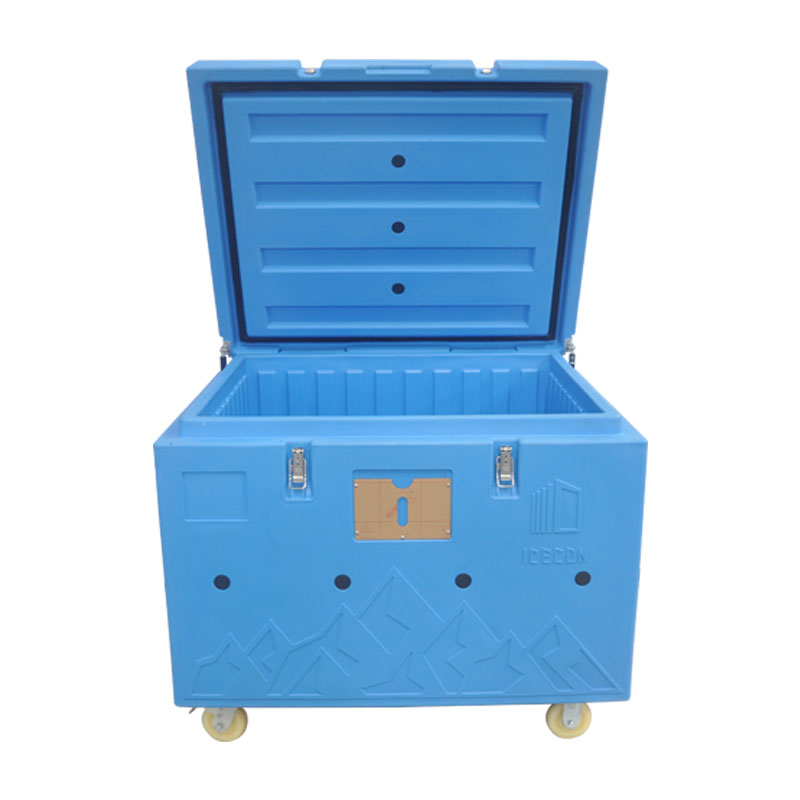
To address these issues, advanced dry ice containers offer targeted solutions. For temperature-sensitive logistics, insulated containers with phase-change materials maintain consistent cold chains, reducing spoilage rates by up to 90%. In pharmaceutical applications, containers with real-time monitoring and alarm systems ensure compliance with strict standards like GDP, preventing costly errors. For blasting operations, vacuum-insulated designs minimize sublimation, cutting dry ice usage by 30% and enhancing efficiency. HORECO2 specializes in customizing these solutions, leveraging their expertise in dry ice technology to meet diverse industry needs.
Client Success Stories: Real-World Impact and Testimonials
Here are three fictional but plausible examples of how HORECO2 has helped clients: 1. Berlin-based PharmaLogix: After adopting specialized containers, they reduced vaccine spoilage from 5% to 0.5%, saving €200,000 annually. A procurement manager noted, "The reliability has transformed our supply chain confidence." 2. Milan Food Distributors: By switching to high-efficiency containers, they cut energy costs by 25% and improved product shelf life by 15 days. Their operations head said, "It's a game-changer for our sustainability goals." 3. Chicago Industrial Cleaners: With optimized containers, they lowered dry ice consumption by 35%, boosting profit margins by 10%. An engineer commented, "The durability and performance exceeded our expectations."
Applications and Partnerships: Expanding Reach and Authority
Dry ice containers find use in diverse scenarios: aerospace component testing, where precise cooling is crucial; entertainment for fog effects; and research labs handling sensitive samples. HORECO2 collaborates with major players like German automotive supplier AutoParts Co. and U.S.-based lab equipment firm SciTech Inc., supplying custom containers that integrate seamlessly into their processes. These partnerships underscore the company's role as a trusted advisor, not just a vendor.
FAQ: Answers to Common Technical Queries
Q1: How do I calculate the right container size for my dry ice blasting needs? A: Consider factors like job duration, ambient temperature, and sublimation rate. For example, a 50 kg container might suffice for an 8-hour shift in moderate climates, but larger ones are needed for extended use. Q2: What standards should containers meet for pharmaceutical transport? A: Look for compliance with EU GDP guidelines and ISTA testing, ensuring temperature stability within ±2°C. Q3: Can containers be used with automated systems? A: Yes, many models feature IoT connectivity for real-time tracking and integration with warehouse management software. Q4: How does insulation type affect performance? A: Vacuum insulation offers superior thermal retention compared to foam, reducing energy loss by up to 50%. Q5: What maintenance is required for long-term use? A: Regular checks for seal integrity and cleaning prevent degradation; most containers have a lifespan of 5-10 years with proper care.
| Feature | Standard Container | Advanced Container |
|---|---|---|
| Insulation Type | Foam | Vacuum |
| Sublimation Loss | High (up to 20%) | Low (less than 5%) |
| Cost Efficiency | Moderate | High |
Conclusion and Call to Action: Take the Next Step
Dry ice containers are more than just storage units; they're pivotal tools for enhancing industrial efficiency and sustainability. By addressing specific pain points with innovative designs, companies like HORECO2 are leading the charge in this space. If you're ready to optimize your operations, don't hesitate to reach out. Download our detailed technical whitepaper for deeper insights, or contact our sales engineers for a personalized consultation. Let's revolutionize your workflow together!
