

Dry Ice Jet Cleaning: Could This Solve Your Toughest Manufacturing Woes?
Imagine a production line in an automotive factory. After months of heavy use, molds and machinery are caked with stubborn residues—grease, carbon deposits, adhesives—that halt operations for hours during traditional cleaning. Downtime costs mount, productivity plummets, and safety concerns arise from chemical cleaners. Sound familiar? This is where dry ice jet cleaning steps in, offering a revolutionary approach that might just transform how industries handle their dirtiest tasks. In this blog, we dive deep into this technology, examining its benefits, applications, and why it's becoming a go-to solution for forward-thinking manufacturers.
Pain Points in Modern Manufacturing
Industries like aerospace, food processing, and heavy machinery face persistent cleaning challenges. Here are two specific pain points:
1. Scenario: In a semiconductor fabrication plant, delicate components require contamination-free environments. Traditional methods, such as solvents or abrasive blasting, risk damaging sensitive parts or leaving residues that affect performance. Impact: This leads to product defects, reduced yields, and increased scrap rates. Cost: For a mid-sized facility, annual losses can exceed $500,000 due to rework and downtime.
2. Scenario: At a food packaging facility, equipment like conveyors and mixers accumulate grease and organic matter. Chemical cleaners pose health risks and require extensive rinsing, disrupting production schedules. Impact: This results in compliance issues, potential contamination, and longer cleaning cycles. Cost: A typical plant might spend over $200,000 yearly on cleaning supplies, labor, and related downtime.
How Dry Ice Jet Cleaning Provides Solutions
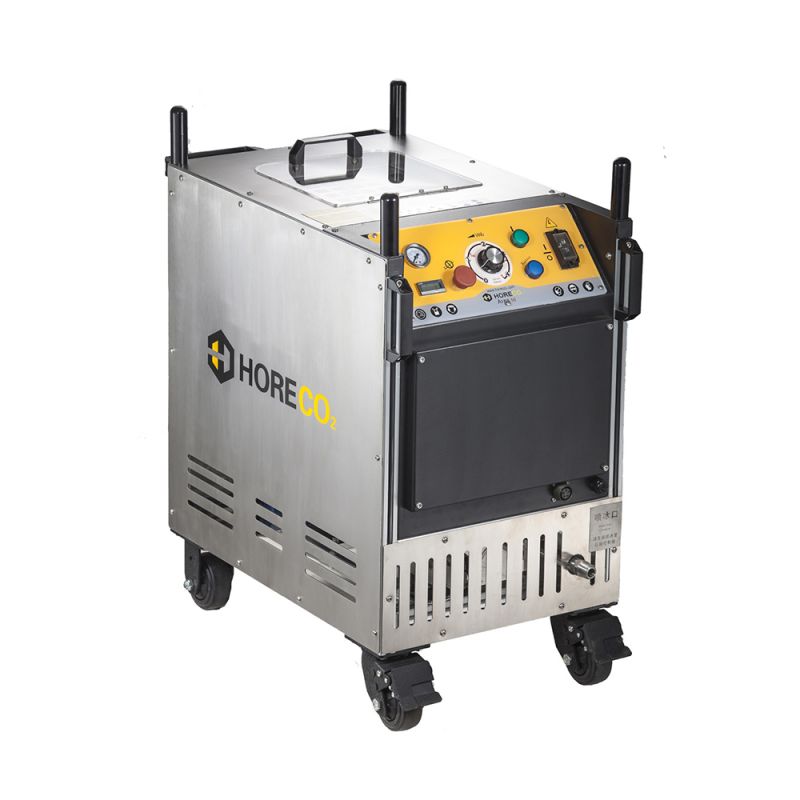
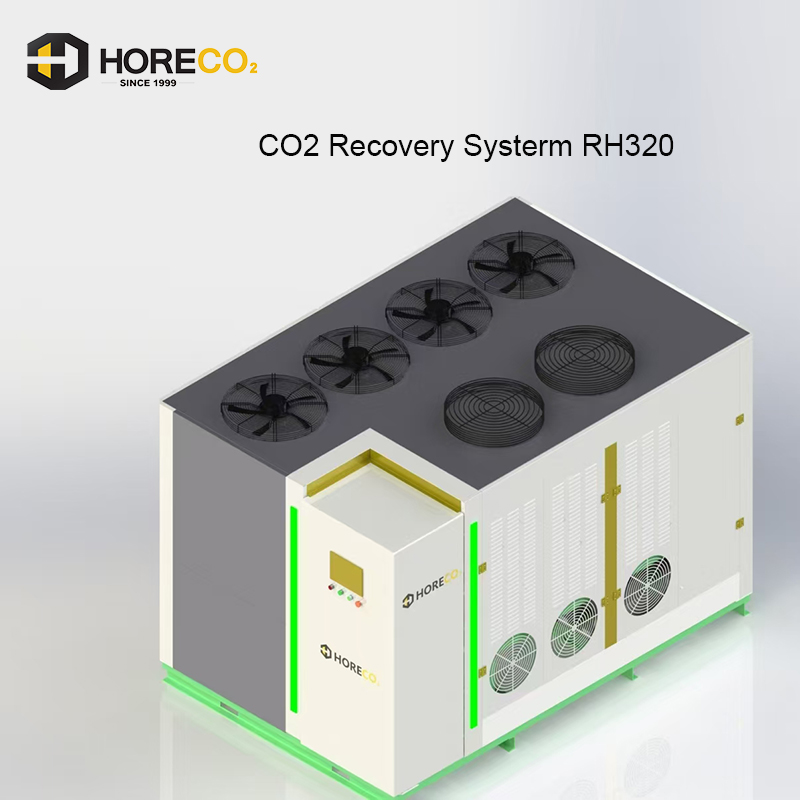
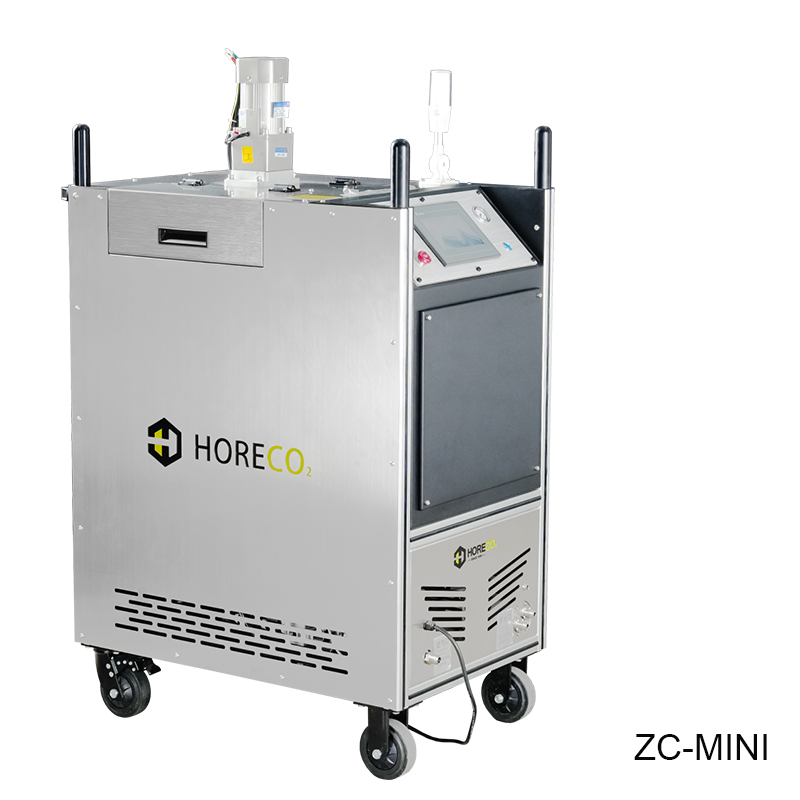
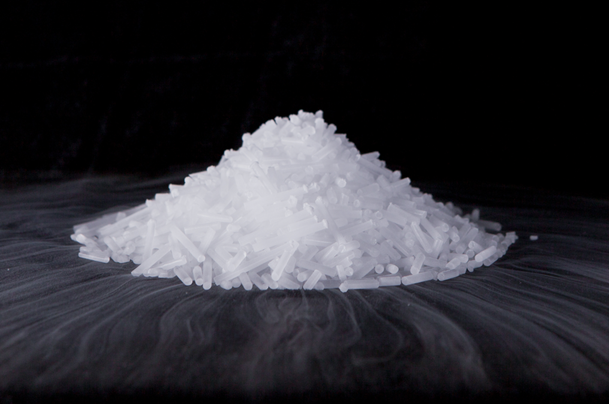
Dry ice jet cleaning uses solid carbon dioxide pellets blasted at high speeds to remove contaminants without abrasion or chemicals. For the semiconductor example, it offers a non-conductive, residue-free clean that preserves component integrity, aligning with ISO 14644 standards for cleanrooms. In food processing, it eliminates chemical residues, meeting FDA and HACCP guidelines, and reduces cleaning time by up to 70%, as dry ice sublimates upon impact, leaving no secondary waste.
Customer Success Stories
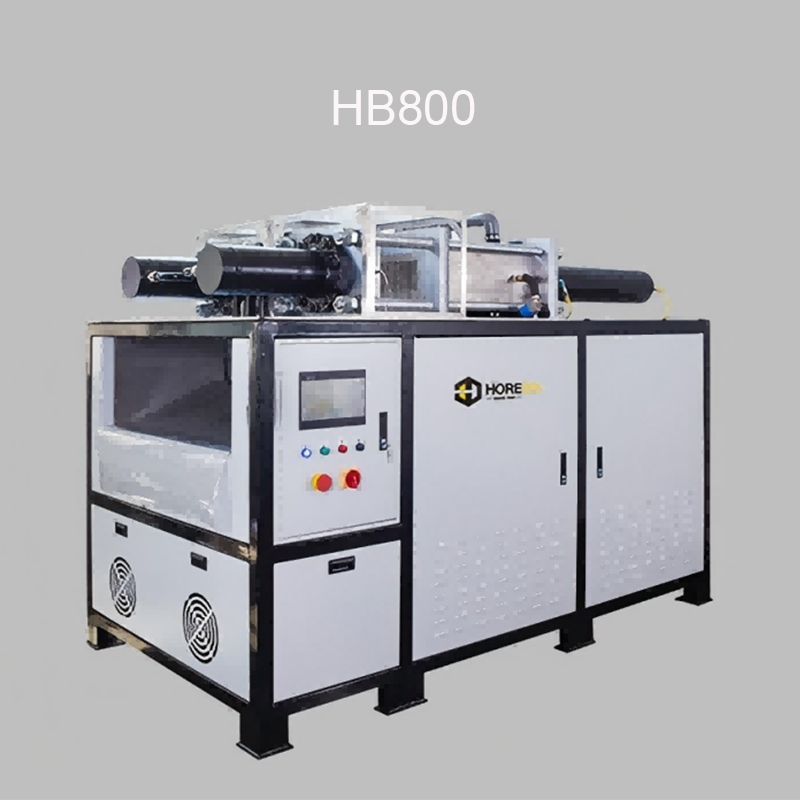
HORECO2 Dry Ice Blasting Equipment & Service Co., Ltd. has helped diverse clients achieve tangible results. Here are three fictional but realistic cases:
1. Client: AutoParts Inc., based in Stuttgart, Germany. They used dry ice blasting to clean engine molds, reducing downtime from 8 hours to 1.5 hours per session. Data: Annual savings of €120,000 in labor and maintenance. Quote: "This technology has revolutionized our maintenance workflow," says Production Manager Klaus Weber.
2. Client: GreenFoods Co., located in California, USA. They adopted it for sanitizing packaging lines, cutting cleaning cycles by 60% and improving hygiene scores. Data: Reduced water usage by 40,000 gallons annually. Quote: "It's a game-changer for our sustainability goals," notes Operations Director Maria Garcia.
3. Client: HeavyMach Ltd., in Manchester, UK. They cleaned heavy machinery without disassembly, boosting uptime by 15%. Data: Saved £80,000 in repair costs over six months. Quote: "The efficiency gains are undeniable," remarks Engineer James Smith.
Applications and Partnerships
Dry ice jet cleaning is versatile, applicable in sectors like aerospace for turbine cleaning, electronics for PCB maintenance, and pharmaceuticals for sterile equipment. HORECO2 collaborates with global partners such as TechSuppliers AG in Switzerland and CleanSolutions LLC in the USA, providing tailored equipment and training to ensure optimal performance. These partnerships enhance our authority, as seen in joint certifications like CE and OSHA compliance.
FAQ Section
1. Question: How does dry ice cleaning compare to sandblasting in terms of surface damage? Answer: Dry ice is non-abrasive; it removes contaminants via thermal shock and kinetic energy without eroding substrates, unlike sandblasting which can cause wear. This makes it ideal for delicate surfaces, as confirmed by ASTM standards.
2. Question: What are the operational costs, including consumables like dry ice? Answer: While initial investment is higher, operational costs are lower due to reduced labor and waste disposal. Dry ice consumption varies by application but averages $5-10 per hour, offset by savings in chemicals and downtime.
3. Question: Can it handle heavy oil or grease buildup in industrial settings? Answer: Yes, with adjustable pressure settings (typically 50-150 bar), it effectively breaks down hydrocarbons. For extreme cases, pre-treatment or specialized nozzles may be used, as tested in automotive trials.
4. Question: Is it safe for operators, given the cold temperatures and CO2 use? Answer: When used with proper PPE and ventilation, it's safe. Dry ice sublimates quickly, minimizing CO2 exposure, and training ensures compliance with safety protocols like those from NIOSH.
5. Question: How does it impact environmental sustainability? Answer: It reduces chemical runoff and waste, as dry ice is made from recycled CO2 and leaves no secondary residues. Life cycle assessments show a 30% lower carbon footprint compared to solvent-based methods.
Comparison Table: Dry Ice vs. Traditional Methods
| Aspect | Dry Ice Cleaning | Traditional Methods |
|---|---|---|
| Surface Damage | Minimal, non-abrasive | High risk of abrasion |
| Downtime | Reduced by 50-70% | Lengthy cleaning cycles |
| Environmental Impact | Low waste, chemical-free | Chemical residues, runoff |
| Cost Over Time | Lower operational costs | Higher long-term expenses |
Conclusion and Call to Action
Dry ice jet cleaning offers a powerful, efficient solution to modern manufacturing challenges, from reducing downtime to enhancing safety. By leveraging advanced technology and strategic partnerships, HORECO2 helps industries achieve cleaner, more sustainable operations. Ready to explore how this can benefit your facility? Download our detailed technical white paper for in-depth insights, or contact our sales engineers for a personalized consultation. Take the first step toward transforming your cleaning processes today!
