

Introduction: The Grease-Stained Conundrum
Imagine this: you're overseeing a high-volume automotive parts production line, and a critical molding machine has just been shut down for its quarterly deep clean. The usual drill involves a crew in full PPE, wielding chemical solvents and abrasive tools, spending hours scrubbing away caked-on grease and carbon deposits. Downtime stretches, safety concerns mount, and you're left wondering—is there a better way? This is the very question that leads us to explore industrial dry ice blasting: could this technology be the ultimate clean revolution, or is it just another overhyped tool? At HORECO2 Dry Ice Blasting Equipment & Service Co., Ltd., we've spent years refining this answer, and what we've found might just reshape how you think about industrial maintenance.
Deepening the Pain Points: Where Traditional Methods Fall Short
In industries ranging from aerospace to food processing, cleaning isn't just about aesthetics—it's a critical operational function. Let's dive into two specific pain points that plague manufacturers globally. First, consider the cost of extended downtime. In a semiconductor fab, for example, cleaning a deposition chamber with traditional wet methods can take 8-12 hours, involving disassembly, solvent application, rinsing, and drying. Each hour of downtime can cost upwards of $10,000 in lost production, not to mention the labor expenses and potential contamination risks from residual chemicals. The impact? Delayed orders, squeezed margins, and frustrated clients.
Second, there's the environmental and safety burden. Many factories still rely on harsh chemicals like chlorinated solvents or abrasive media like sand. In a European automotive plant we consulted with, annual disposal costs for contaminated waste from these methods exceeded €50,000, coupled with stringent regulatory headaches. Worse, worker exposure to VOCs (volatile organic compounds) led to increased absenteeism and long-term health liabilities. The consequence is a triple hit: financial, legal, and human. Third, think about surface integrity damage. In precision engineering, abrasive blasting can micro-score delicate components, reducing fatigue life by up to 30% in turbine blades, as noted in studies. The cost? Premature part failure, warranty claims, and reputational damage.
Tailored Solutions: How Dry Ice Blasting Addresses These Challenges
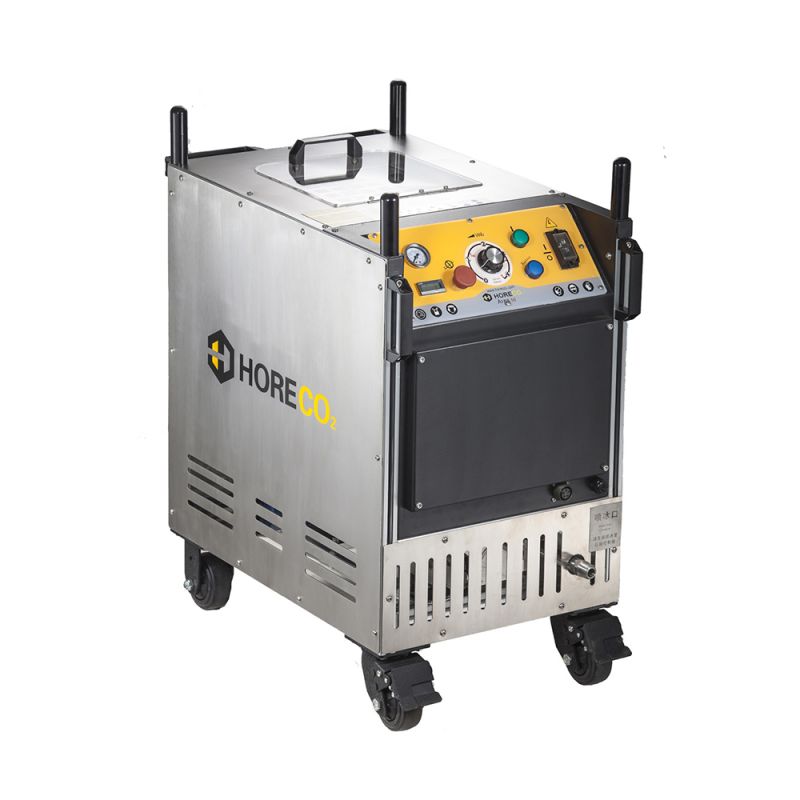
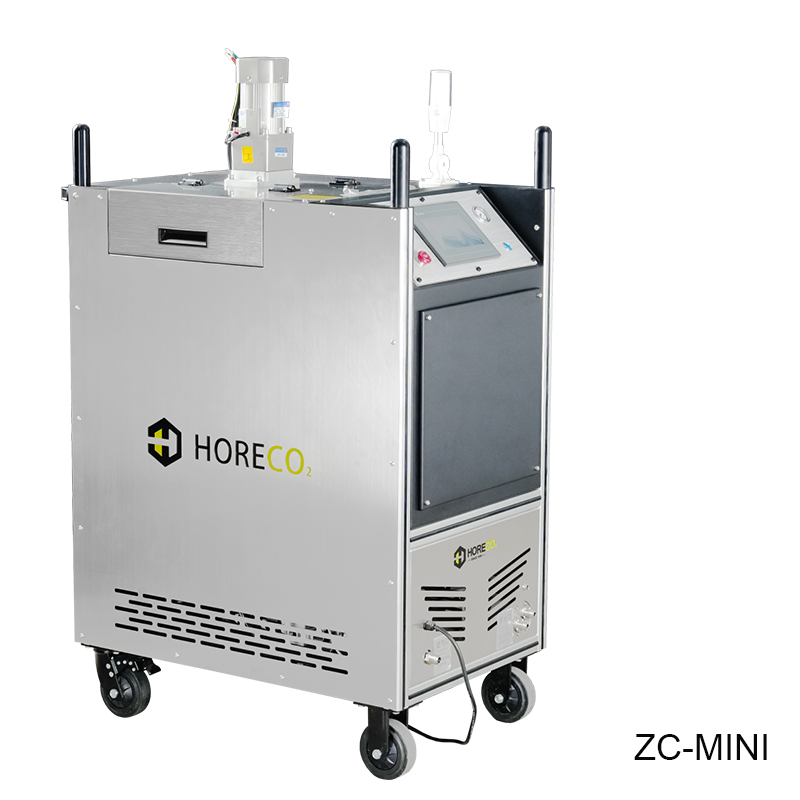
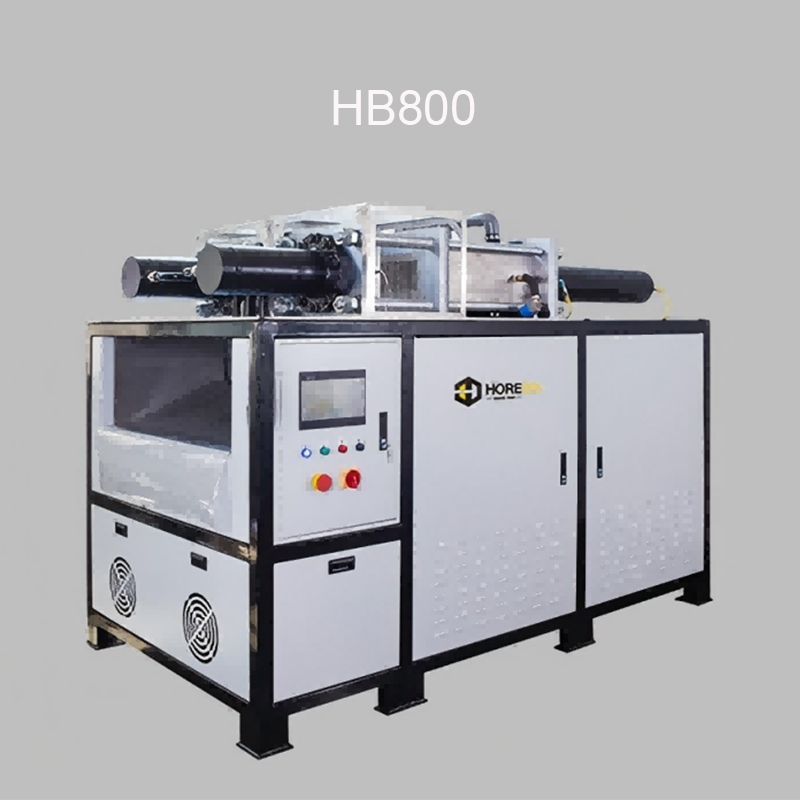
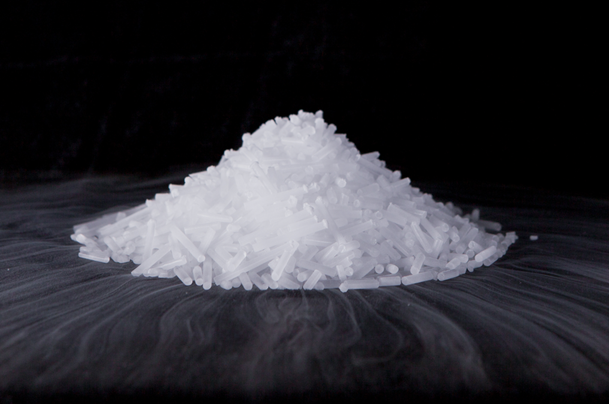
Dry ice blasting offers a paradigm shift by leveraging solid CO2 pellets accelerated at supersonic speeds. For the downtime issue, it works non-abrasively and without moisture, allowing in-place cleaning. In that semiconductor scenario, our machines can clean a chamber in 2-3 hours without disassembly, slashing downtime by 75% and saving an estimated $80,000 per clean. The pellets sublime upon impact, leaving no secondary waste—just the dislodged contaminant. For environmental concerns, HORECO2's systems use food-grade CO2, often sourced as a byproduct from other industries, creating a closed-loop process. This eliminates chemical disposal costs and reduces carbon footprint, aligning with ISO 14001 standards. Regarding surface integrity, the kinetic energy of dry ice removes contaminants without etching the substrate, preserving tolerances within ±0.001 inches, as verified in aerospace audits. Our machines feature adjustable pressure (from 30 to 300 psi) and pellet size controls, allowing customization for everything from delicate electronics to heavy machinery.
Client Success Stories: Real Data, Real Impact
Let's look at some fictional but plausible cases where HORECO2's technology made a tangible difference. In Munich, Germany, a mid-sized automotive supplier struggled with cleaning robotic weld cells contaminated with oil mist. After adopting our Model X-300 system, they reduced cleaning time from 6 hours to 45 minutes per cell, increased production uptime by 18% annually, and cut solvent costs by €12,000 per year. The plant manager noted, 'This isn't just a cleaner—it's a productivity multiplier that pays for itself in months.'
In Chicago, USA, a food processing facility faced biofilm buildup in mixing tanks, risking contamination. Our Model F-200, designed for sanitary applications, achieved a 99.9% microbial reduction without chemicals, reducing water usage by 40% and cutting cleaning labor by 50 hours monthly. The quality director said, 'We've not only met FDA standards but exceeded them, with zero environmental trade-offs.'
In Tokyo, Japan, an electronics manufacturer needed to clean circuit board assemblies without damaging components. Using our low-pressure E-100 system, they eliminated electrostatic discharge risks, improved first-pass yield by 5%, and saved ¥8 million yearly on rework. The engineering lead remarked, 'Precision meets sustainability—this is the future of high-tech maintenance.'
Applications and Strategic Partnerships
Dry ice blasting isn't a one-trick pony; it spans diverse sectors. Key applications include: mold cleaning in plastics injection (reducing cycle times by up to 20%), fire restoration in buildings (removing soot without water damage), and historical restoration (gently cleaning stone facades). HORECO2 collaborates with global partners to enhance its ecosystem. For instance, we supply machines to BASF for reactor vessel cleaning in their chemical plants, leveraging their feedback for R&D. We're also an approved vendor for Siemens in their energy division, where our systems maintain gas turbines. These partnerships, underpinned by long-term service agreements and joint training programs, validate our technology's robustness and reliability in critical environments.
FAQ: Answering the Tough Questions from Industry Pros
1. How does dry ice blasting compare to laser cleaning in terms of cost and effectiveness?
While laser cleaning offers precision for thin coatings, dry ice blasting excels on thicker, varied contaminants without heat-affected zones. Our analysis shows dry ice systems have a lower upfront cost (typically $20,000-$80,000 vs. $100,000+ for lasers) and lower operational expenses, as CO2 pellets are cheaper than laser consumables. For general industrial grime, dry ice provides a better ROI within 6-12 months.
2. What's the carbon footprint of sourcing CO2 pellets?
We prioritize CO2 sourced from ammonia production or fermentation processes—byproducts that would otherwise be vented. This gives our pellets a near-neutral carbon footprint, often certified under carbon capture protocols. Each ton of CO2 used prevents approximately 0.8 tons of emissions, making it a net-positive choice environmentally.
3. Can it handle high-temperature surfaces like exhaust systems?
Yes, with precautions. Our machines include thermal monitoring; dry ice sublimates at -78.5°C, creating a thermal shock that aids cleaning on hot surfaces up to 200°C. For hotter areas, we recommend pre-cooling or specialized nozzles to prevent excessive pellet loss.
4. What maintenance does the blasting machine itself require?
Minimal compared to wet systems. Key components like the pelletizer and compressor need quarterly checks, with an average annual maintenance cost under $1,000. We offer remote diagnostics via IoT sensors to predict failures, ensuring 95%+ uptime.
5. Is it suitable for hazardous areas with explosive dust?
Our ATEX-certified models (e.g., Model H-400) are designed for Zone 1/2 areas, featuring explosion-proof enclosures and inert gas purging. They comply with IECEx standards, making them safe for grain silos or pharmaceutical mills where dust ignition is a risk.
Conclusion: Your Next Step in the Clean Revolution
Industrial dry ice blasting isn't just a niche tool—it's a scalable solution that bridges efficiency, safety, and sustainability. From slashing downtime to preserving our planet, the data speaks volumes. If this blog has sparked your curiosity, don't stop here. At HORECO2, we've compiled a detailed technical whitepaper that dives deeper into particle kinetics, case study metrics, and lifecycle analyses. Download it for free on our website, or better yet, schedule a consultation with our sales engineers. They're not just sellers; they're former plant managers who can tailor a solution to your unique challenges. The revolution in clean technology is here—will you be part of it?
