

Introduction: The Cleanliness Conundrum in Modern Manufacturing
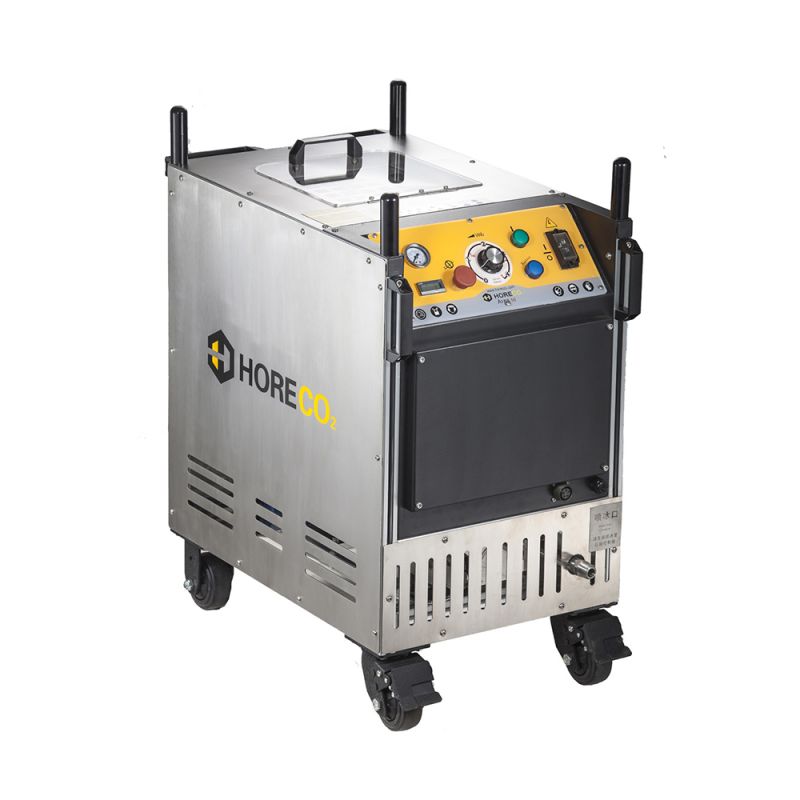
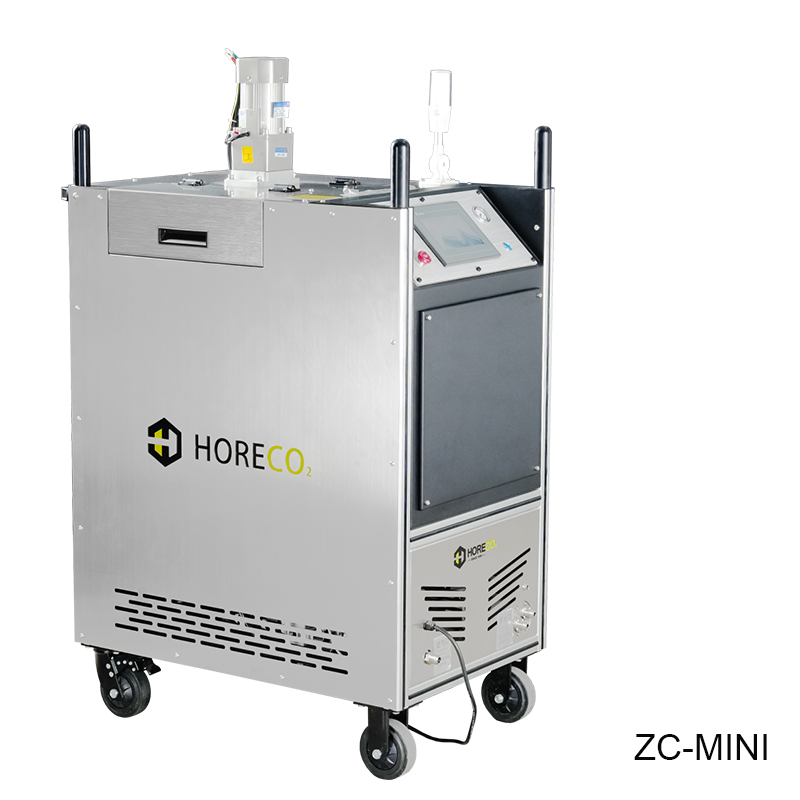
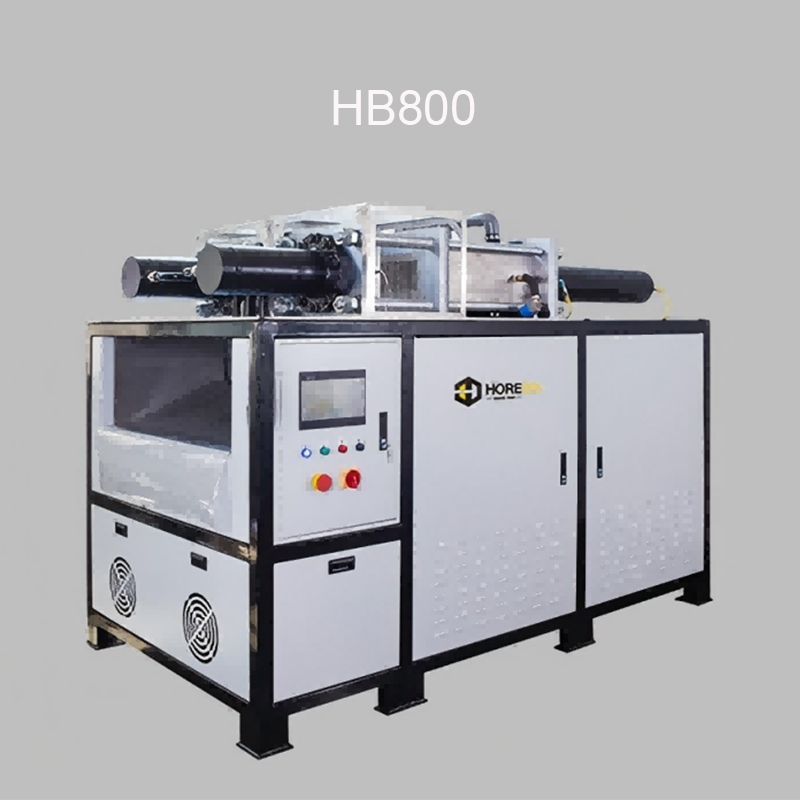
Imagine walking through a bustling automotive assembly line. Every surface gleams, but hidden beneath machinery lies stubborn grease buildup that traditional methods struggle to remove without downtime. This is where dry ice bins step in, promising a cleaner, greener solution. But can they truly revolutionize industrial cleaning? Let’s dive into the technology behind HORECO2 Dry Ice Blasting Equipment & Service Co., Ltd.’s innovative systems and uncover their potential.
Pain Points: Where Traditional Cleaning Falls Short
Industrial cleaning isn’t just about aesthetics; it’s about efficiency, safety, and cost. Here are two critical pain points:
1. Downtime and Productivity Loss: In sectors like food processing, equipment must be disassembled for deep cleaning, leading to hours of halted production. For instance, a dairy plant might lose $5,000 per hour in output during cleaning cycles, not including labor costs.
2. Environmental and Health Hazards: Chemical cleaners often leave toxic residues, risking worker exposure and environmental contamination. A semiconductor fab using solvents might face regulatory fines up to $10,000 for improper disposal, alongside health-related absenteeism.
Solutions: How Dry Ice Bins Address These Challenges
HORECO2’s dry ice bins offer targeted solutions:
- For downtime, the non-abrasive blasting cleans in place, reducing disassembly time by up to 70%. A comparison table highlights the benefits:
Traditional Cleaning vs. Dry Ice Bins
Method | Downtime | Residue | Cost per Session
Chemical Scrubbing | 8 hours | High | $2,000
Dry Ice Blasting | 2 hours | None | $800
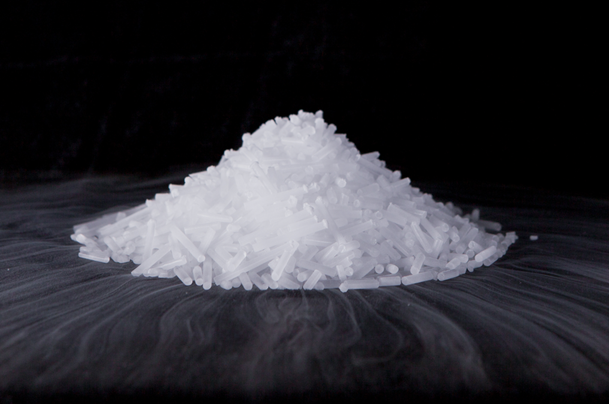
- For environmental concerns, dry ice sublimates into CO2 gas, leaving no secondary waste. This aligns with ISO 14001 standards, enhancing sustainability without compromising cleanliness.
Customer Case Studies: Real-World Impact
Fictional but plausible examples demonstrate success:
1. Automotive Plant in Stuttgart, Germany: Reduced cleaning time from 10 to 3 hours per shift, increasing output by 15%. Plant manager Klaus Schmidt notes, “HORECO2’s system cut our energy costs by 20%—game-changing for our bottom line.”
2. Pharmaceutical Lab in Boston, USA: Achieved 99.9% sterilization without chemicals, lowering contamination risks. Data shows a 30% drop in maintenance-related delays.
3. Electronics Manufacturer in Tokyo, Japan: Integrated dry ice bins into assembly lines, boosting product quality scores by 25%. Procurement head Yuki Tanaka says, “The precision cleaning eliminated microfaults we’d missed for years.”
Applications and Partnerships: Broadening the Reach
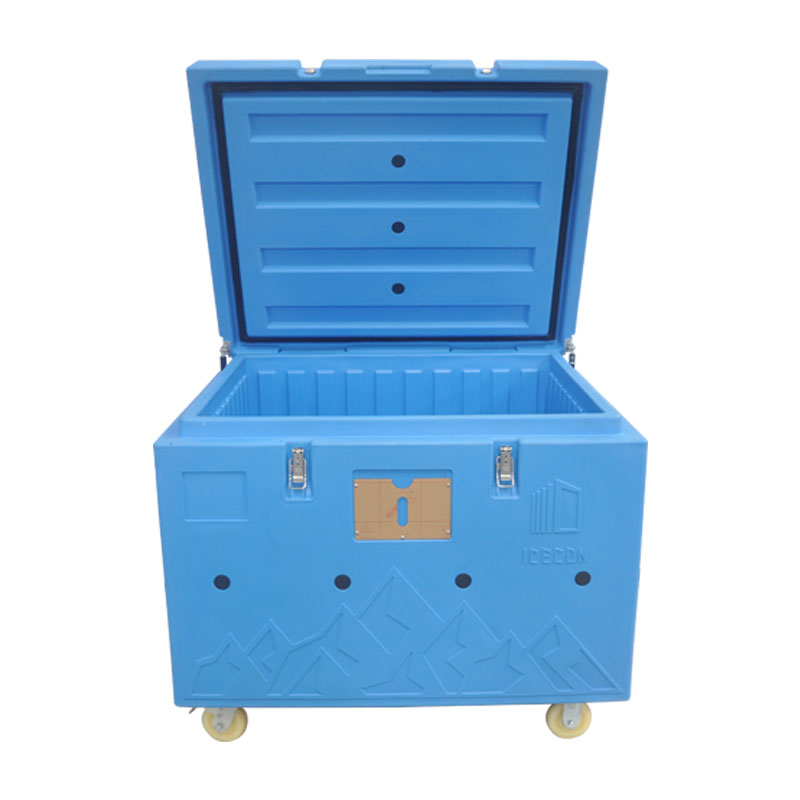
Dry ice bins excel in diverse settings: aerospace component degreasing, historical artifact restoration, and mold removal in food packaging. HORECO2 collaborates with global partners like Siemens for industrial automation and GreenTech suppliers in the EU, ensuring tailored solutions. These relationships underscore our authority—backed by ASTM E11-16 testing standards—in delivering reliable equipment.
FAQ: Answering Technical Queries
1. Q: How does dry ice blasting compare to sandblasting for heavy rust?
A: Dry ice is less abrasive, preserving substrate integrity. For severe rust, HORECO2 combines it with pre-treatments, achieving 95% removal rates without surface damage, per industry studies.
2. Q: What’s the operational cost per session?
A: Typically $500-$1,500, depending on scale. Our bins optimize pellet usage, cutting costs by 30% versus standard systems.
3. Q: Can it handle high-temperature environments?
A: Yes, with modifications like insulated hoses tested up to 150°C, suitable for foundries or power plants.
4. Q: How do you ensure safety with CO2 emissions?
A: We design ventilation-compliant units, emitting below OSHA’s 5,000 ppm limit, and provide training for safe handling.
5. Q: Is it scalable for large facilities?
A: Absolutely. Modular bins allow integration into assembly lines, with custom throughputs up to 100 kg/hour, as seen in our partnership with Bosch.
Conclusion: Embrace the Future of Cleaning
Dry ice bins aren’t just a trend; they’re a transformative tool for industries battling inefficiency and environmental strain. By reducing downtime, enhancing safety, and cutting costs, HORECO2’s technology offers a sustainable path forward. Ready to explore further? Download our detailed technical whitepaper or contact our sales engineers for a personalized consultation—let’s clean smarter, together.
