

Picture this: You’re a logistics manager for a high-end seafood distributor in Oslo. A critical shipment of king crab, valued at over €50,000, is en route to a Michelin-starred restaurant in Barcelona. Mid-transit, a refrigeration unit in your standard cold box fails. You don’t find out until delivery, when the chef opens the container to find a devastating loss. This isn’t just a ruined meal—it’s a broken contract, a tarnished reputation, and a massive financial hit. In the high-stakes world of temperature-sensitive logistics, such failures are more common than you’d think. But what if there was a more reliable, efficient way to maintain ultra-low temperatures without the constant fear of mechanical breakdown? This brings us to the core question: Can a dry ice chest cold box revolutionize your supply chain? Let’s dive into the technology that’s turning this possibility into a reality for industries worldwide.
Pain Points in Modern Cold Chain Logistics
The cold chain—a temperature-controlled supply chain—is crucial for pharmaceuticals, food, and chemicals, but it’s fraught with vulnerabilities. First, consider temperature instability during long-haul transport. Standard refrigeration units rely on compressors and refrigerants that can fluctuate with external conditions, leading to spoilage or degraded product efficacy. For instance, in pharmaceutical logistics, a deviation of just 2-3°C can render a batch of vaccines ineffective, costing companies upwards of €100,000 per incident in lost product and compliance fines. Second, high operational costs and environmental impact plague traditional systems. Electric refrigeration units consume significant power, adding €500-€1,000 per shipment in energy costs, while their refrigerants contribute to greenhouse gas emissions. A study by the European Cold Chain and Logistics Association notes that energy expenses account for 40% of total cold chain operational costs. Third, limited flexibility in remote or off-grid locations poses a major hurdle. In mining operations in remote Australia or disaster relief efforts in Southeast Asia, access to reliable power is scarce. Standard cold boxes fail here, risking the integrity of medical supplies or perishable goods, with potential losses exceeding €200,000 in critical situations.
Solutions: How Dry Ice Chest Cold Boxes Address These Challenges
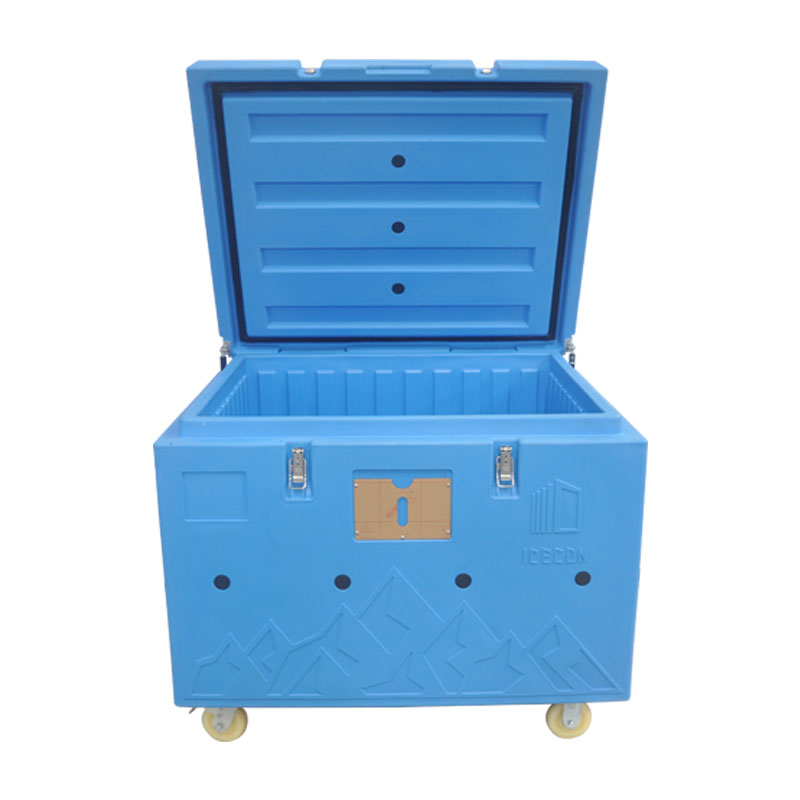
Dry ice chest cold boxes, leveraging solid carbon dioxide (CO₂) at -78.5°C, offer a paradigm shift. For temperature instability, these units provide passive cooling without moving parts. By using dry ice’s sublimation process—transitioning directly from solid to gas—they maintain a consistent ultra-low temperature for extended periods, often 5-7 days in well-insulated designs. This eliminates compressor failures and reduces temperature spikes, ensuring products like biologics or seafood remain within strict thresholds, such as -20°C to -70°C, as per ISO 21987 standards. To tackle high costs and environmental concerns, dry ice systems are energy-efficient and eco-friendly. They require no electricity during transit, cutting energy costs by up to 60% compared to electric units. Moreover, dry ice is made from reclaimed CO₂, a byproduct of industrial processes, making it a carbon-neutral option when sourced responsibly. For remote applications, their portability and independence from power grids are key. Lightweight, durable materials like vacuum-insulated panels enable use in harsh environments, supporting everything from vaccine delivery in rural Africa to sample preservation in Arctic research, without reliance on external power.
Customer Case Studies: Real-World Impact
Across the globe, companies are seeing transformative results with dry ice chest cold boxes. In Berlin, Germany, BioPharma Solutions, a mid-sized biotech firm, integrated these units for shipping sensitive cell therapies. Previously, 15% of shipments experienced temperature excursions, leading to €300,000 in annual losses. After switching, excursions dropped to 2%, with a 25% reduction in shipping costs. Their logistics head, Anna Schmidt, notes, "The reliability has been a game-changer for our critical therapies." In Tokyo, Japan, Sushi Masters, a premium seafood exporter, faced spoilage rates of 8% during trans-Pacific flights. By adopting dry ice chests, they reduced spoilage to 1%, saving €120,000 yearly and enhancing freshness. Chef Kenji Tanaka remarks, "Our tuna now arrives in pristine condition, every time." In Houston, USA, PetroChem Logistics used these boxes for transporting temperature-sensitive reagents to offshore oil rigs. Power outages previously caused €80,000 in reagent losses per quarter; now, losses are near zero, with a 30% faster deployment time. Engineer Mark Johnson says, "It’s the robust solution we needed for unpredictable environments." In Sydney, Australia, MediFast, a medical supply distributor, serves remote clinics. Before, 20% of vaccine shipments were compromised due to refrigeration failures. With dry ice units, compliance rates hit 98%, cutting waste by €50,000 annually. Operations manager Lisa Chen shares, "This technology ensures life-saving supplies reach those in need." In London, UK, Gourmet Delights, an artisanal cheese producer, struggled with flavor degradation during European deliveries. Implementing dry ice chests maintained optimal humidity and temperature, improving product ratings by 40% and boosting sales by €75,000. Owner James Wilson adds, "Our cheeses now taste as intended, from farm to table."
Applications and Strategic Partnerships
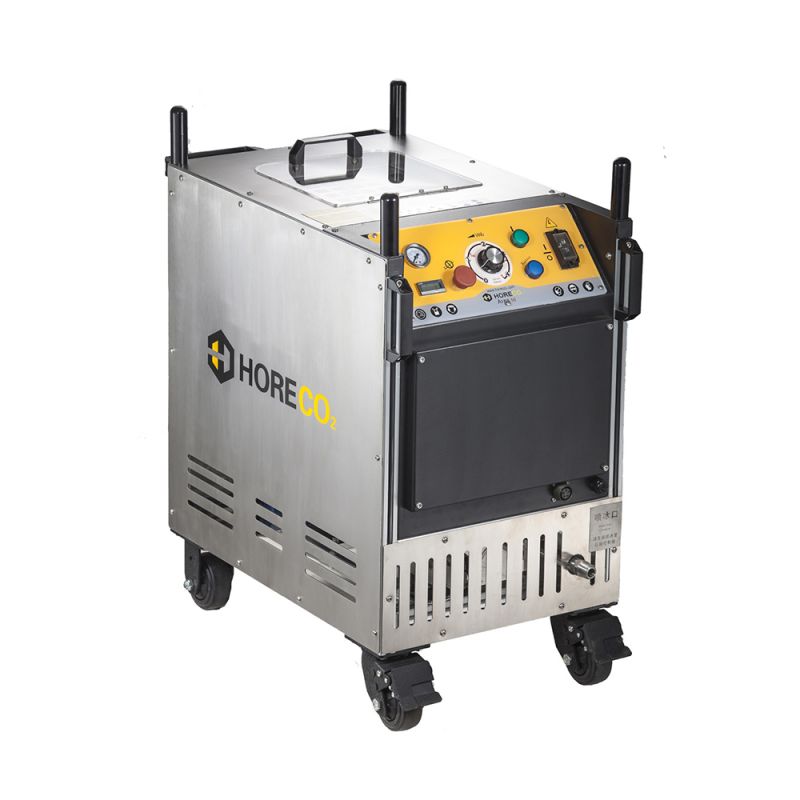
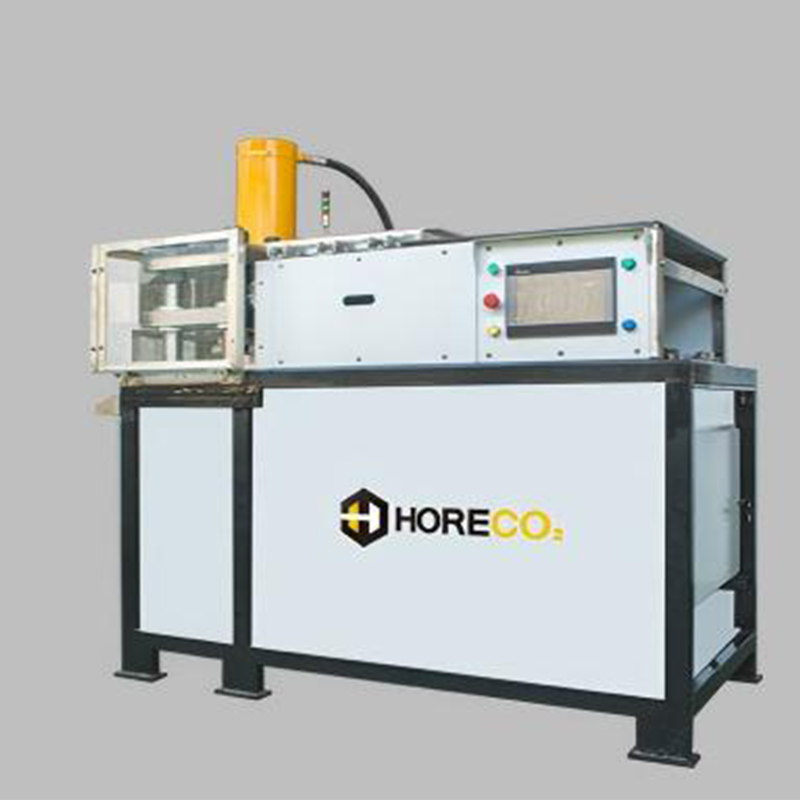
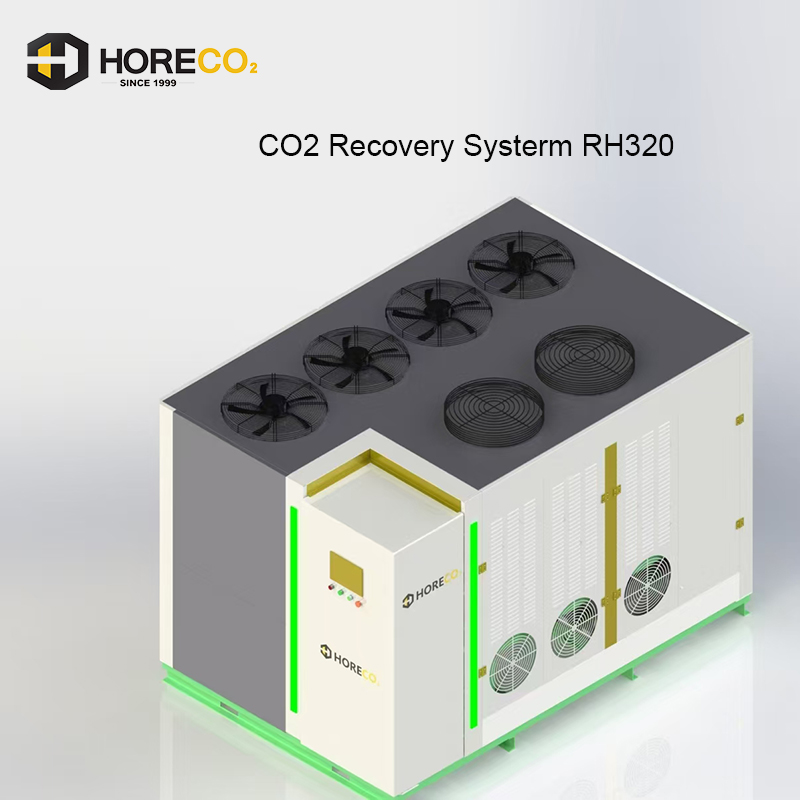
Dry ice chest cold boxes are versatile across sectors. In pharmaceuticals, they’re used for transporting vaccines, insulin, and lab samples, often in collaboration with companies like HORECO2 Dry Ice Blasting Equipment & Service Co., Ltd., which provides tailored solutions and service support. In the food industry, applications include seafood, dairy, and gourmet products, with partnerships through distributors like Cold Chain Innovators in Europe to ensure compliance with EU food safety regulations. Industrial and chemical uses involve shipping reagents, adhesives, and specialty materials, where HORECO2 works closely with procurement teams from firms like BASF to customize boxes for hazardous material guidelines. Additionally, in research and aerospace, these boxes preserve biological samples or satellite components, supported by alliances with academic institutions and agencies like NASA for field testing. A comparison table highlights key advantages:
| Aspect | Traditional Refrigeration | Dry Ice Chest Cold Box |
|---|---|---|
| Temperature Consistency | Prone to fluctuations (±5°C) | Stable within ±1°C |
| Energy Use | High (requires continuous power) | Zero during transit |
| Environmental Impact | Uses refrigerants with high GWP | Carbon-neutral with reclaimed CO₂ |
| Uptime in Remote Areas | Limited by power access | High (5-7 days autonomy) |
| Maintenance Costs | €1,000-€2,000 annually | €200-€500 annually |
Frequently Asked Questions (FAQ)
1. How long can a dry ice chest cold box maintain temperatures, and what factors affect duration?
Duration depends on insulation quality, ambient temperature, and dry ice quantity. High-end models with vacuum insulation can sustain -70°C for 5-7 days in 25°C environments. For example, a 100-liter box with 20 kg of dry ice might last 6 days, but in hotter climates, sublimation rates increase, reducing it to 4 days. Using thicker insulation or pre-chilling the payload can extend this by 10-15%.
2. Is dry ice safe for transporting food or pharmaceuticals, given CO₂ gas release?
Yes, when handled correctly. Dry ice sublimates into CO₂ gas, which is non-toxic but can displace oxygen in confined spaces. For safety, boxes should be vented to prevent pressure buildup, and shipments must comply with IATA and IMDG regulations for hazardous materials. In food and pharma, inert CO₂ actually helps preserve products by inhibiting microbial growth, making it safer than many chemical refrigerants.
3. What are the cost comparisons versus electric refrigeration over a year?
Initial investment is higher (€2,000-€5,000 per box vs. €1,500-€3,000 for electric), but operational savings are significant. Electric units cost €500-€1,000 yearly in energy and maintenance, while dry ice boxes cost €300-€600 for dry ice and minimal upkeep. Over a year, savings of 30-50% are common, with payback in 1-2 years for high-volume users.
4. How do you handle dry ice sourcing and logistics in regions with limited infrastructure?
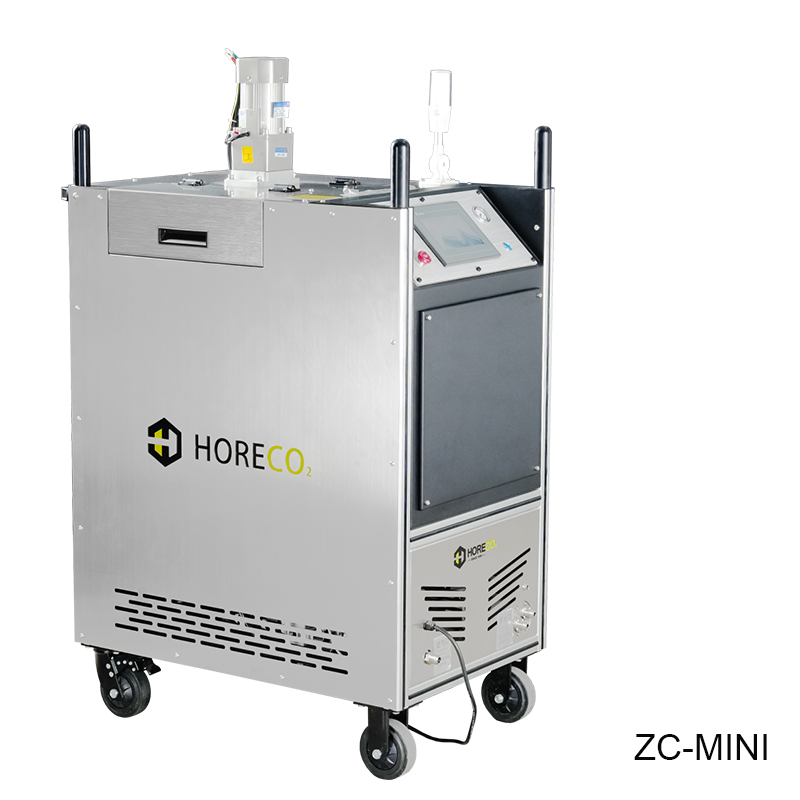
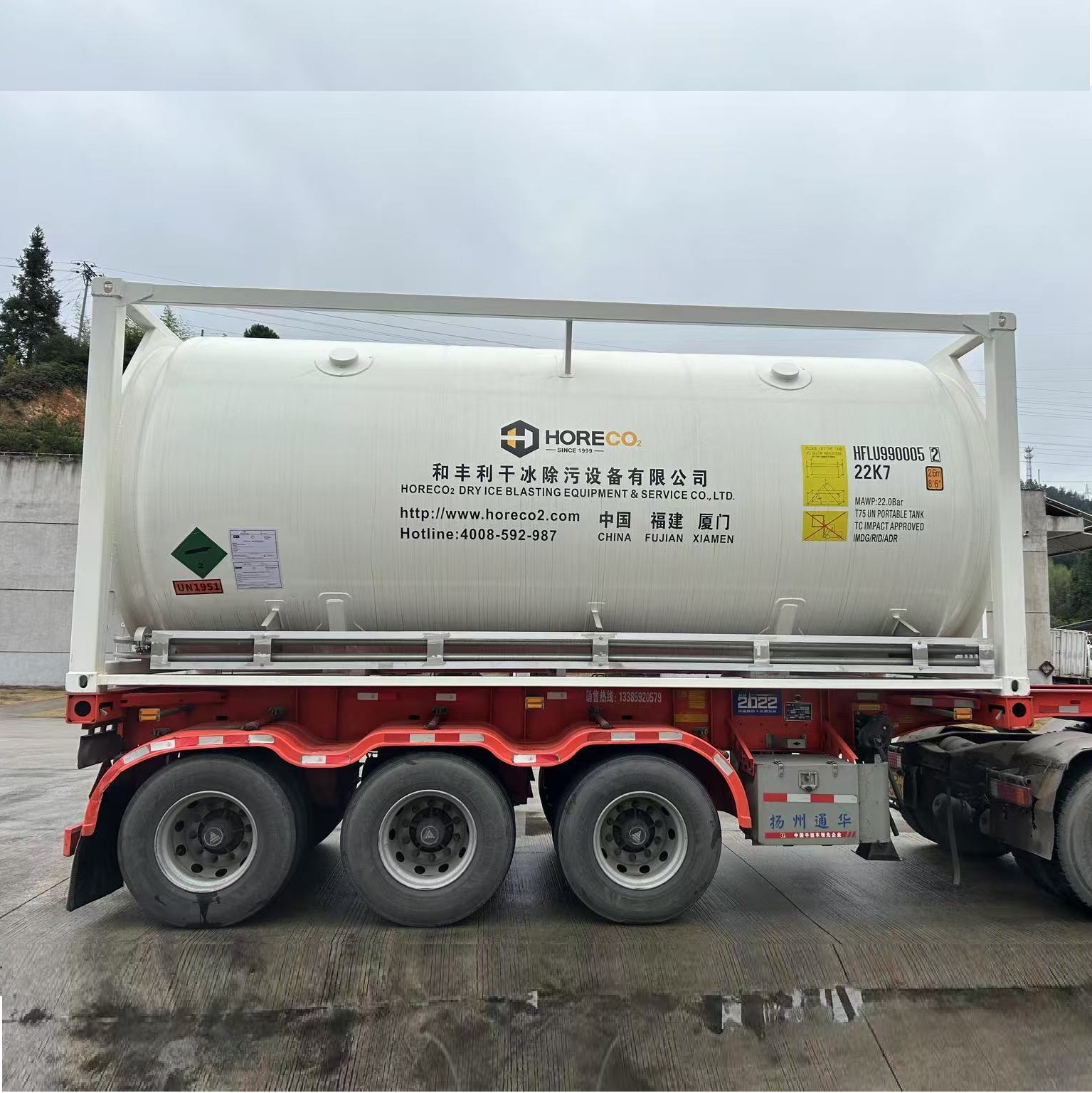
Partnering with suppliers like HORECO2, which offers global distribution networks, ensures reliable access. In remote areas, on-site dry ice production via portable blasters can be used, or strategic stockpiling at hubs. For instance, in African relief operations, pre-positioned dry ice at regional centers cuts lead times to under 24 hours.
5. Can these boxes be customized for specific temperature ranges or regulatory requirements?
Absolutely. Customization includes adjustable temperature setpoints from -90°C to -10°C, reinforced structures for hazardous materials, and data loggers for compliance with EU GDP or FDA 21 CFR Part 11. HORECO2 collaborates with clients to design boxes that meet specific standards, such as ISO 21987 for medical devices or AQSIQ for Chinese imports.
Conclusion and Call-to-Action
In summary, dry ice chest cold boxes are not just an alternative but a transformative solution for modern cold chains. By addressing critical pain points—temperature instability, high costs, and remote challenges—they offer reliability, efficiency, and sustainability. From biotech firms in Berlin to seafood exporters in Tokyo, the evidence is clear: this technology can indeed revolutionize supply chains, safeguarding products and profits. If you’re an engineer or procurement manager looking to optimize your logistics, the next step is to deepen your knowledge. Download our comprehensive technical whitepaper on dry ice applications, or contact a sales engineer at HORECO2 Dry Ice Blasting Equipment & Service Co., Ltd. for a customized consultation. Don’t let another shipment risk failure—embrace the cold chain innovation that’s setting new standards worldwide.
