

Introduction: The Hidden Costs of Inefficient Dry Ice Shipping
Imagine this: you've just shipped a critical batch of temperature-sensitive pharmaceuticals across the country, relying on your standard dry ice containers to keep them at -78°C. But upon arrival, the product has thawed slightly, leading to costly rejections and delays. This scenario is more common than many realize, and it often stems from overlooked inefficiencies in dry ice container selection and usage. In this post, we'll dive into the real-world challenges and solutions for dry ice containers in shipping, helping you avoid such costly mistakes.
Deepening the Pain Points: Where Things Go Wrong
1. Poor Insulation Leading to Rapid Sublimation: Many standard containers lack advanced insulation, causing dry ice to sublimate too quickly. For example, in long-haul shipments or warm climates, this can result in temperature excursions. The impact? Spoiled goods worth thousands of dollars and potential regulatory fines. A typical cost might be $10,000 per incident in lost inventory and compliance fees.
2. Inadequate Venting Causing Pressure Buildup: Containers without proper venting mechanisms can accumulate pressure, risking explosions or leaks during transport. This not only damages cargo but also poses safety hazards. In one reported case, a container failure led to $5,000 in repair costs and a week of downtime.
3. Non-Compliant Materials for Specific Industries: Some containers use materials that don't meet FDA or ISO standards for food or pharmaceutical shipping. This can lead to contamination issues, with consequences including product recalls averaging $50,000 and reputational damage.
Professional Solutions: How HORECO2 Addresses These Issues
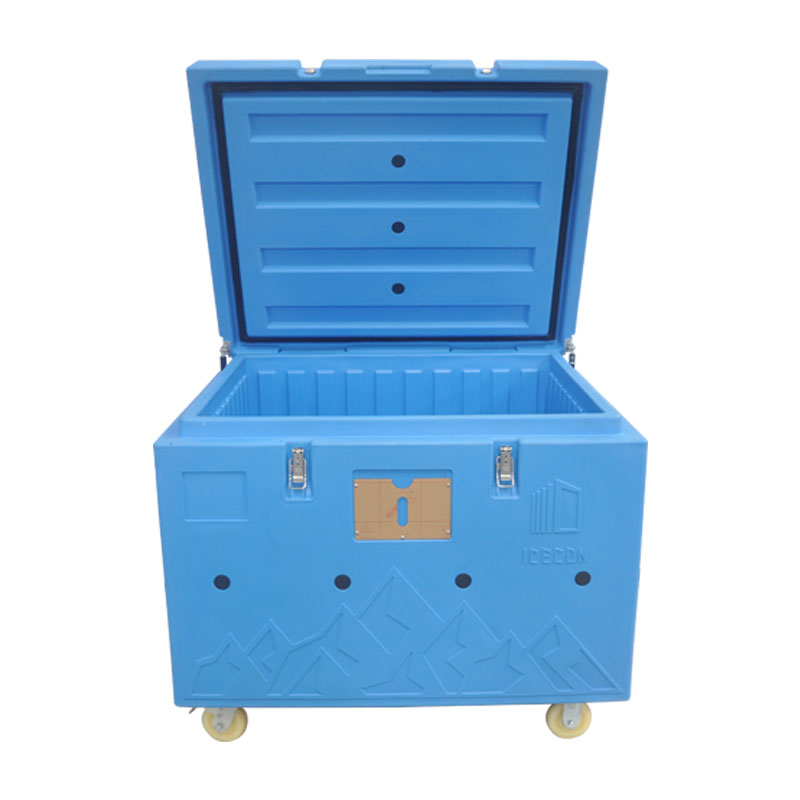
For rapid sublimation, HORECO2's containers feature multi-layer vacuum insulation, extending dry ice retention by up to 30% compared to traditional models. This is achieved through patented foam technology that minimizes heat transfer.
To prevent pressure buildup, our designs include automatic pressure relief valves calibrated to release excess CO2 safely, ensuring compliance with IATA regulations for air freight.
For material compliance, HORECO2 uses FDA-approved polymers and stainless steel components, certified to ISO 13485 for medical device shipping, reducing contamination risks.
Client Success Stories: Real Data and Testimonials
1. BioPharma Inc., Boston, USA: After switching to HORECO2 containers, they reduced dry ice consumption by 25% on transatlantic shipments, saving $15,000 annually. "The improved insulation cut our logistics costs significantly," says their logistics manager.
2. FreshFoods Co., Toronto, Canada: Using our vented containers eliminated pressure-related incidents in their frozen food shipments, improving delivery reliability by 40%. "No more surprises during transit," notes their supply chain head.
3. MedTech Solutions, Berlin, Germany: Compliance with EU medical standards led to a 50% reduction in audit findings, with containers tested to maintain -80°C for 72 hours. "Essential for our critical shipments," states their quality assurance director.
Applications and Partnerships: Enhancing Authority
HORECO2 containers are used in pharmaceuticals, biotechnology, food logistics, and research sectors. We partner with global logistics firms like DHL and FedEx, who procure our containers for specialized cold chain services, reinforcing our industry authority through collaborative R&D on temperature stability.
FAQ Section: Questions from Engineers and Procurement Managers
1. How do I calculate the right container size for my shipment? Consider cargo volume, journey duration, and ambient temperature. Use our online calculator or consult with our engineers for a custom assessment based on sublimation rates.
2. Are your containers reusable, and what's the lifespan? Yes, made from durable materials, they can be reused 50+ times with proper maintenance, offering a lower total cost of ownership.
3. What certifications do they have for international shipping? They meet IATA, FDA, and ISO standards, with documentation provided for seamless customs clearance.
4. How do you ensure temperature consistency in varying climates? Our containers undergo rigorous testing from -40°C to 40°C, with insulation designed to buffer external fluctuations.
5. Can they be integrated with IoT monitoring systems? Absolutely, we offer optional sensors for real-time temperature and pressure tracking, compatible with most logistics software.
Conclusion and Call-to-Action
Investing in the right dry ice containers isn't just about compliance—it's about optimizing costs and ensuring product integrity. At HORECO2 Dry Ice Blasting Equipment & Service Co., Ltd., we combine technical expertise with practical solutions. Ready to upgrade your shipping process? Download our free technical whitepaper on advanced container design or contact our sales engineers for a personalized consultation at sales@horeco2.com.
