

Introduction: A Common Cleaning Challenge
Imagine you're an engineer in a precision electronics manufacturing plant. A delicate circuit board needs cleaning after soldering, but traditional methods like chemical solvents risk damaging components or leaving residues that affect performance. This scenario is just one example of the cleaning dilemmas faced across industries today. In this blog, we delve into whether mini dry ice blasting could be the innovative solution to such problems, offering a glimpse into its potential to revolutionize precision cleaning.
Pain Point 1: Damage to Sensitive Surfaces
In sectors like aerospace or medical device manufacturing, components often have intricate designs and fragile materials. Using abrasive methods like sandblasting or harsh chemicals can cause micro-scratches, corrosion, or structural weakening. For instance, in turbine blade cleaning, improper techniques might reduce aerodynamic efficiency by up to 5%, leading to increased fuel consumption and maintenance costs estimated at $50,000 annually per unit. The impact extends beyond immediate repair bills to potential safety risks and downtime.
Pain Point 2: Environmental and Health Concerns
Many industries grapple with the environmental footprint of cleaning processes. Chemical solvents, for example, can release volatile organic compounds (VOCs) into the air, posing health hazards to workers and requiring expensive ventilation systems. In automotive painting booths, residual contaminants from traditional cleaning might lead to paint defects, resulting in rework costs of around $10,000 per incident and compliance fines for emissions violations. The long-term liability and brand damage add to the financial strain.
Pain Point 3: Inefficiency and Downtime
Traditional cleaning methods often involve disassembly, lengthy drying times, or multiple steps, causing significant production delays. In food processing plants, equipment sanitation might take hours using steam or detergents, leading to downtime that costs $5,000 per hour in lost output. Moreover, incomplete cleaning can harbor bacteria, risking product recalls and reputational harm worth millions.
Solution 1: Non-Abrasive Cleaning with Mini Dry Ice Blasting
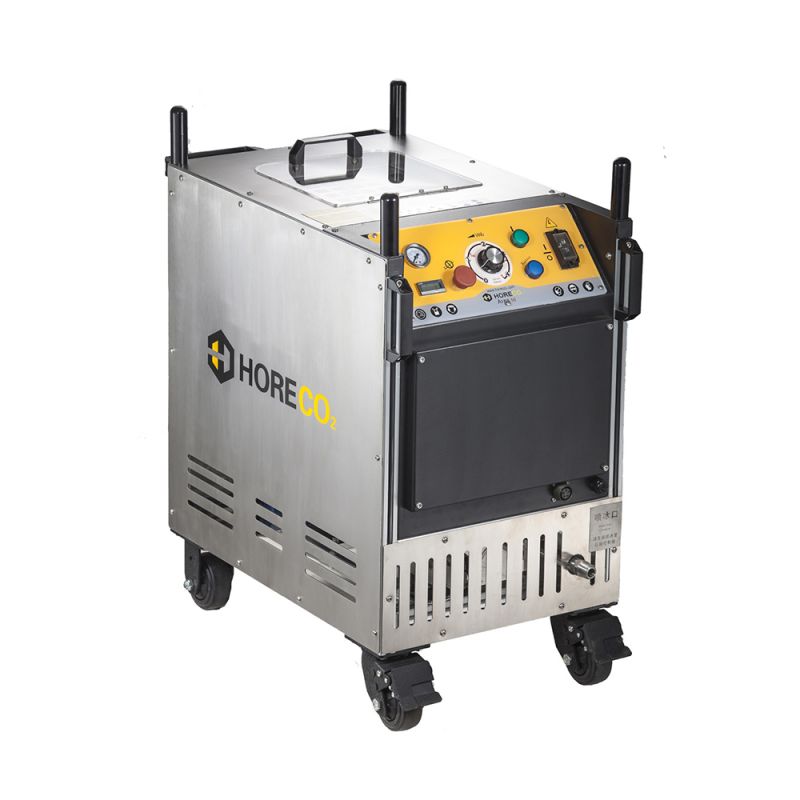
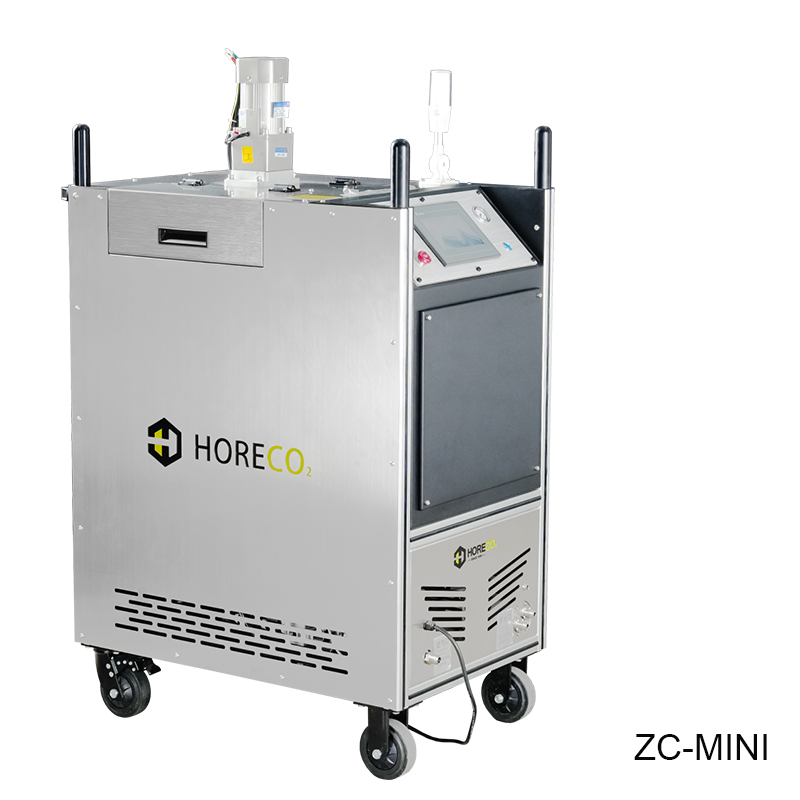
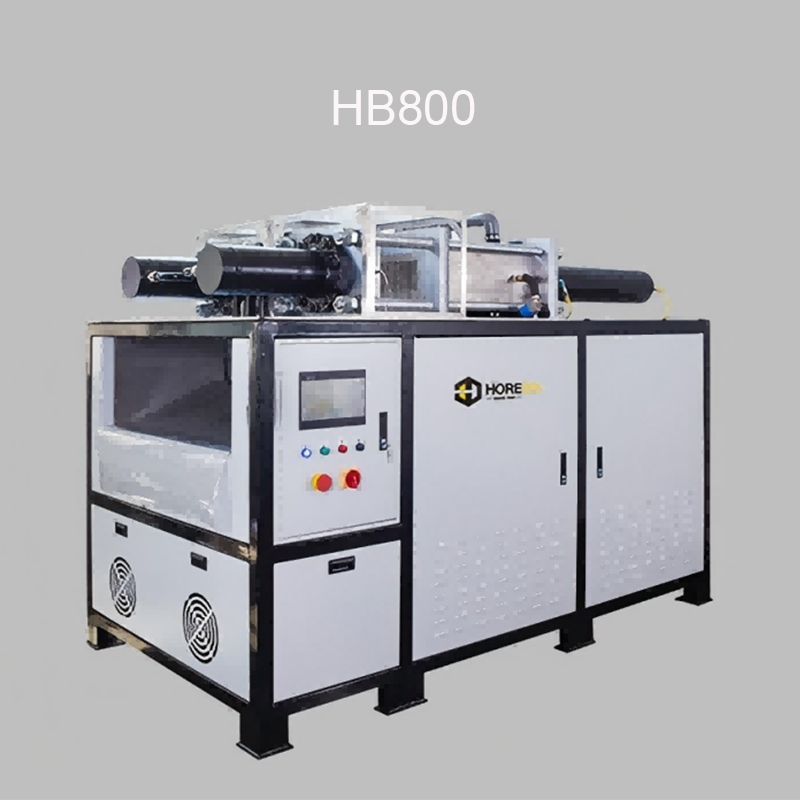
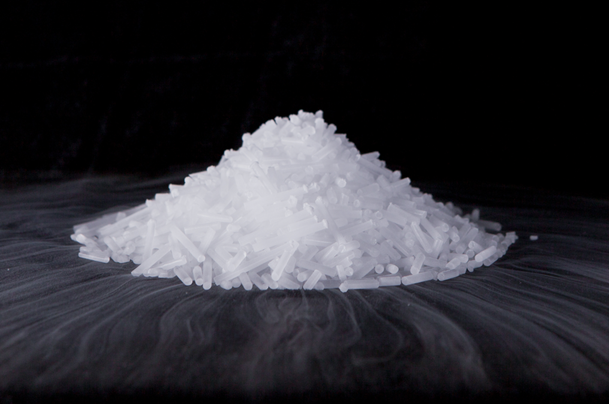
Mini dry ice blasting addresses surface sensitivity by using solid CO2 pellets that sublimate upon impact, lifting contaminants without abrasion. This method preserves material integrity, as seen in HORECO2's equipment that operates at controlled pressures below 150 psi, ensuring no damage to substrates like composites or electronics. It eliminates the need for secondary cleaning or protective coatings, reducing processing time by up to 40%.
Solution 2: Eco-Friendly and Safe Operation
By leveraging dry ice, which is non-toxic and leaves no residue, this technology mitigates environmental risks. HORECO2's systems are designed with closed-loop recovery features, minimizing CO2 emissions and aligning with ISO 14001 standards. In applications like pharmaceutical cleanrooms, it reduces chemical usage by 90%, lowering disposal costs and enhancing worker safety through reduced exposure to harmful substances.
Solution 3: Enhanced Efficiency and Reduced Downtime
Mini dry ice blasters offer rapid cleaning cycles due to their portability and immediate drying effect. For example, in mold cleaning for plastics manufacturing, HORECO2's models can clean complex geometries in under 30 minutes, compared to 2 hours with traditional methods, cutting downtime by 75%. This efficiency translates to higher throughput and lower operational costs.
Client Success Case 1: Automotive Supplier in Germany
A tier-1 automotive parts manufacturer in Stuttgart adopted HORECO2's mini dry ice blaster for cleaning injection molds. Previously, chemical cleaning caused a 15% defect rate in produced parts. After implementation, defect rates dropped to 2%, and cleaning time reduced from 4 hours to 1 hour per mold. The plant manager noted, "This technology has streamlined our production line, saving us €100,000 annually in rework and downtime."
Client Success Case 2: Aerospace Facility in the United States
An aerospace component manufacturer in Seattle used the blaster for turbine blade maintenance. Traditional methods required blade removal and 8-hour cleaning sessions, costing $20,000 per event. With mini dry ice blasting, on-site cleaning reduced time to 2 hours and eliminated disassembly, cutting costs by 70%. The lead engineer commented, "We've enhanced blade longevity by 20%, thanks to the gentle yet effective cleaning."
Client Success Case 3: Electronics Plant in Japan
A semiconductor factory in Tokyo integrated the technology for PCB cleaning. Chemical residues had caused a 5% failure rate in final testing. Switching to dry ice blasting eliminated residues, reducing failures to 0.5% and improving yield by 4.5%. The quality assurance head said, "It's a game-changer for precision, ensuring our products meet the highest reliability standards."
Application Scenarios and Partnerships
Mini dry ice blasting finds use in diverse settings: removing coatings from historical artifacts, decontaminating medical instruments, and cleaning conveyor belts in food processing. HORECO2 collaborates with procurement teams from major corporations like Siemens and Boeing, who value the technology for its compliance with industry certifications such as AS9100. These partnerships underscore the equipment's reliability and HORECO2's expertise in tailored solutions.
FAQ Section
1. How does mini dry ice blasting compare to traditional blasting in terms of surface preparation for coatings? Unlike abrasive blasting, which can create anchor profiles but risk embedding media, dry ice blasting cleans without altering surface topography, making it ideal for pre-coating applications where adhesion depends on a pristine base. Studies show it can achieve Sa 2.5 cleanliness levels per ISO 8501.
2. What are the energy consumption and operational costs of running a mini dry ice blaster? HORECO2's models are designed for efficiency, consuming approximately 3-5 kW per hour, with dry ice pellets costing around $1-2 per pound. Overall, operational costs are 30-50% lower than chemical systems due to reduced waste and labor.
3. Can this technology handle heavy-duty contamination like rust or paint on industrial equipment? Yes, by adjusting pellet size and pressure settings, it effectively removes layers up to 500 microns thick. However, for extremely tenacious deposits, pre-treatment or multiple passes might be needed, as validated in field tests with steel structures.
4. How does HORECO2 ensure the safety and training for operators using dry ice blasters? The company provides comprehensive training modules covering PPE requirements, handling of CO2, and machine maintenance. Their equipment includes safety interlocks and meets CE and OSHA standards, with incident rates reported below 0.1% in client audits.
5. What is the typical ROI period for investing in a mini dry ice blasting system? Based on client data, ROI is often achieved within 6-12 months, factoring in savings from reduced chemical purchases, lower disposal fees, and increased productivity. HORECO2 offers lifecycle cost analyses to help procurement managers justify the investment.
Conclusion and Call to Action
Mini dry ice blasting emerges as a versatile and efficient solution for modern industrial cleaning, addressing key pain points from damage risks to environmental concerns. By leveraging HORECO2's expertise, companies can enhance operational efficiency and sustainability. To explore further, download our detailed technical whitepaper on advanced cleaning methodologies or contact our sales engineers for a customized consultation. Embrace the future of precision cleaning today.
