

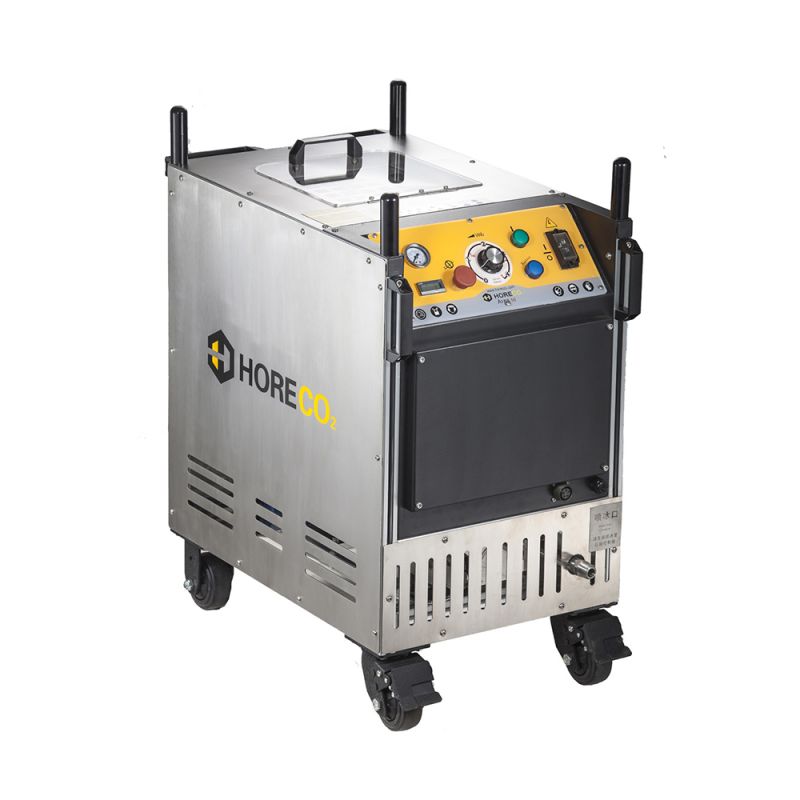
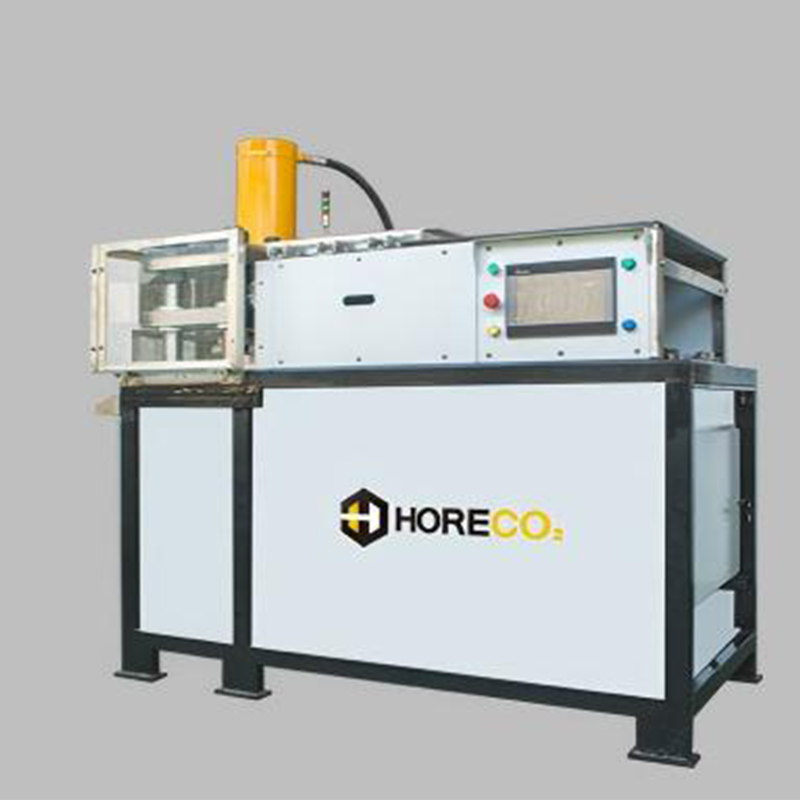
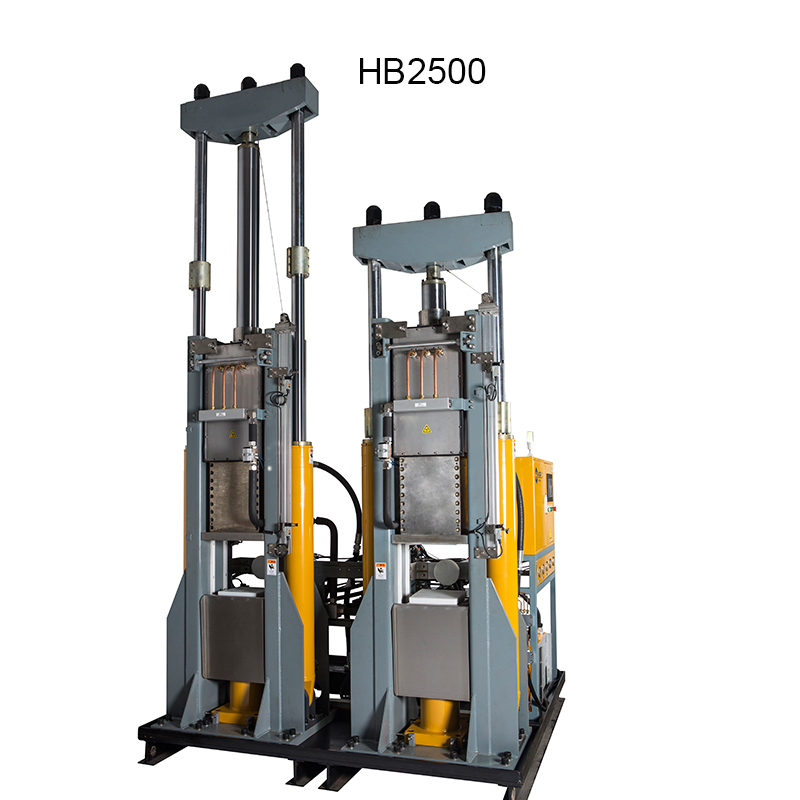
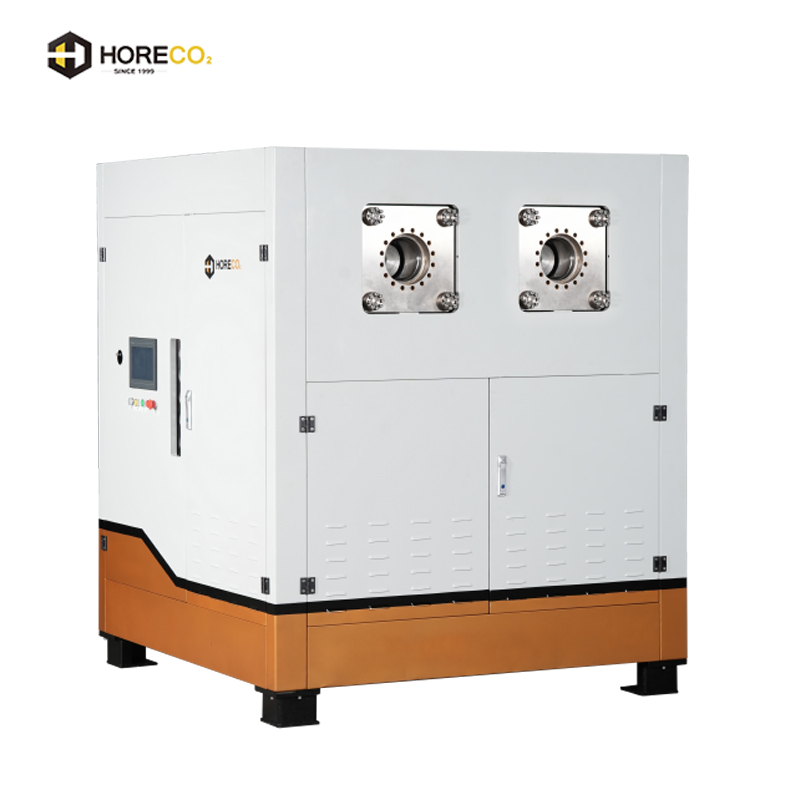
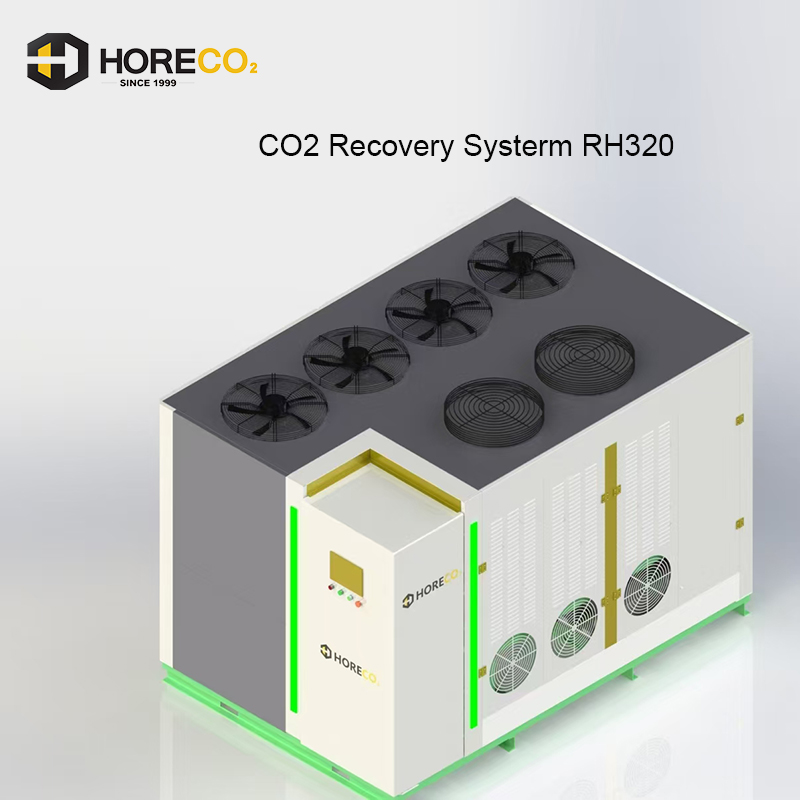
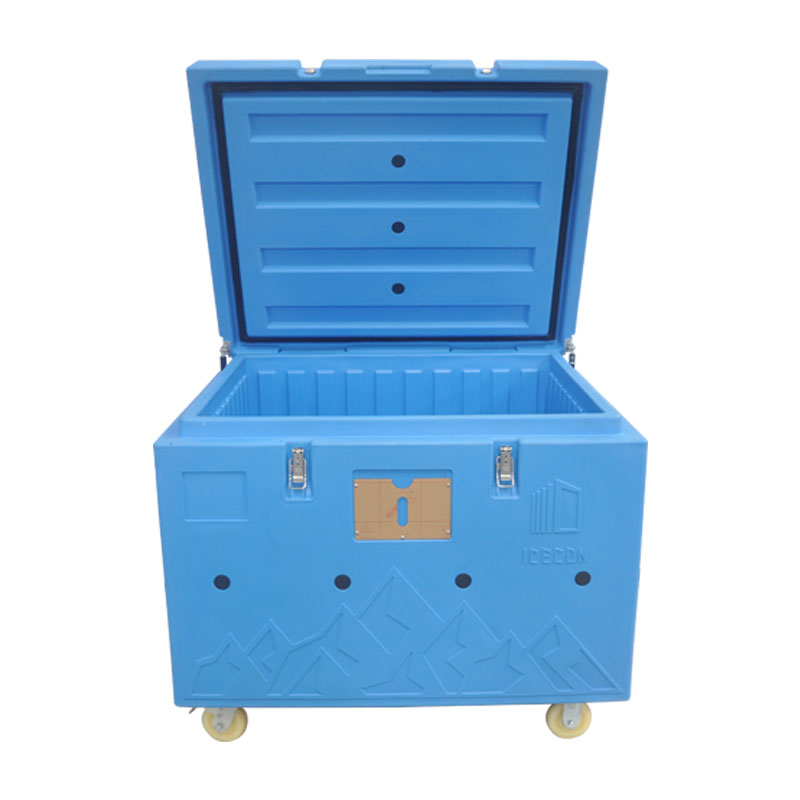
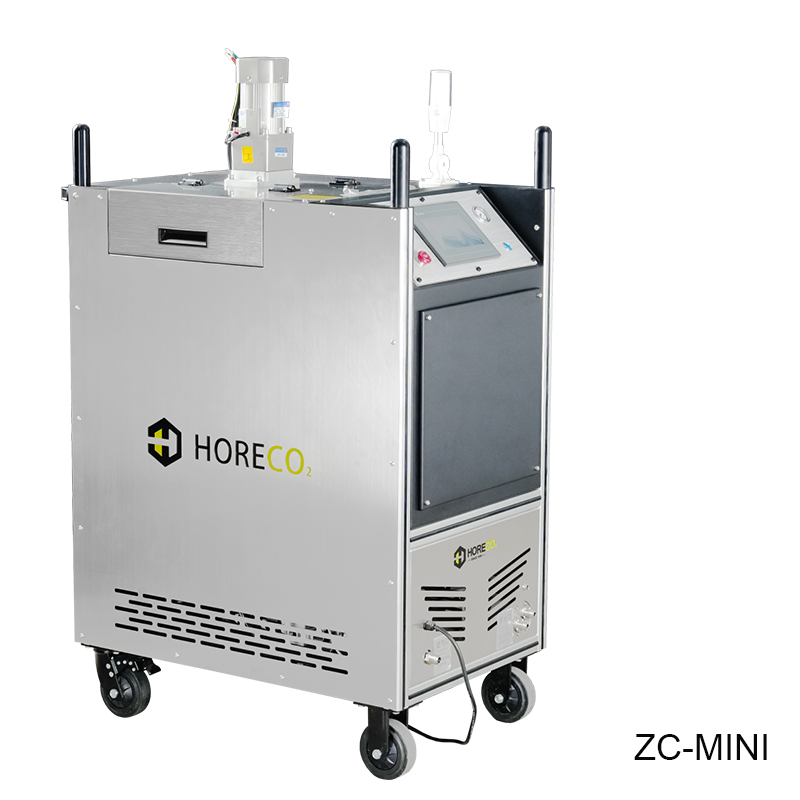
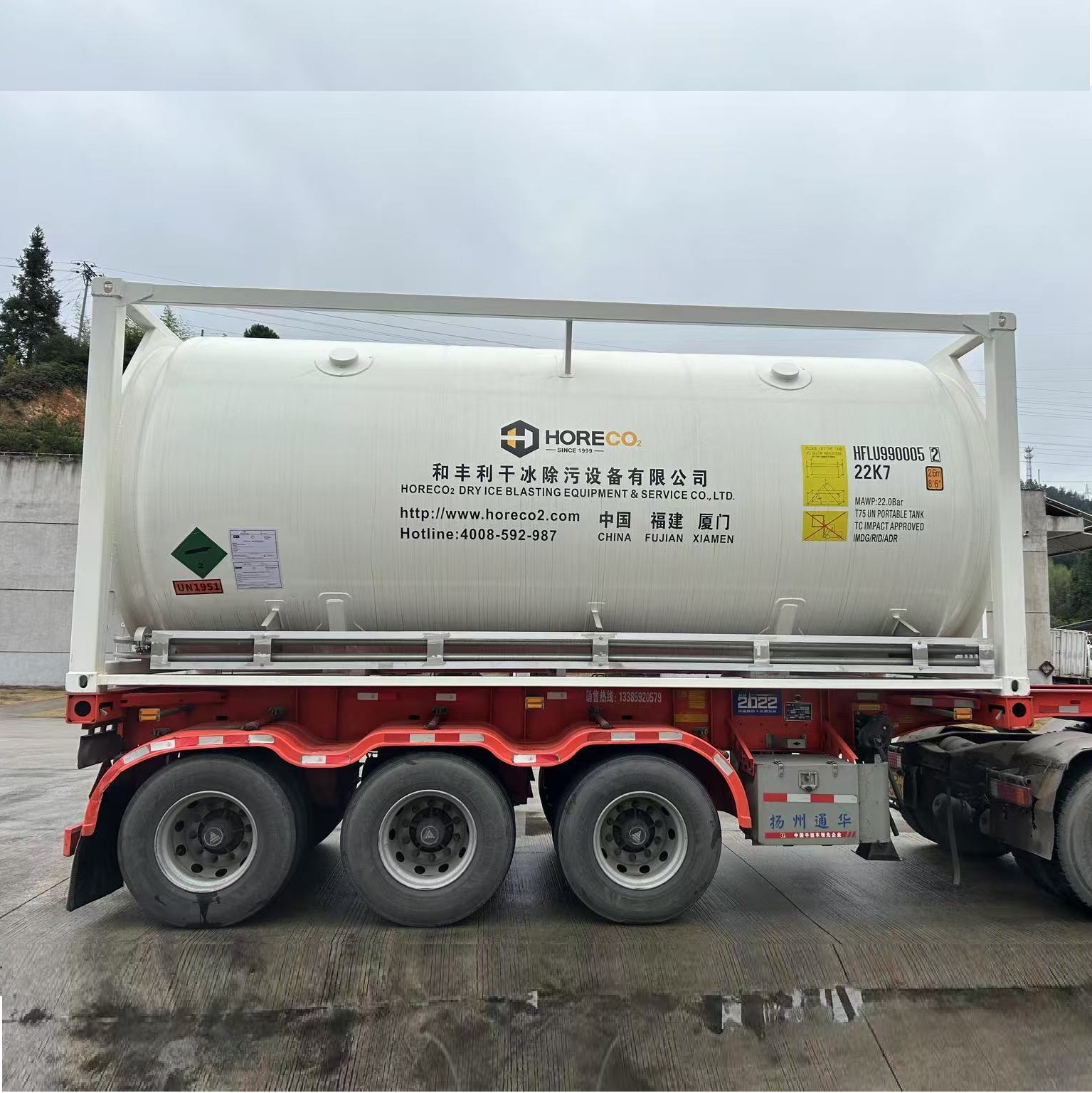
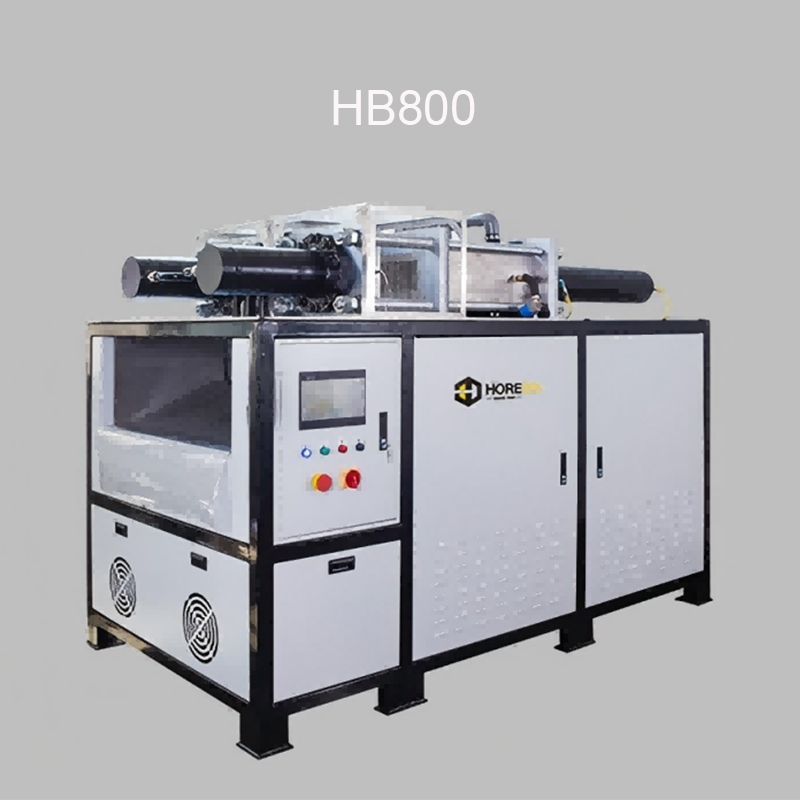
Imagine a manufacturing plant where traditional cleaning methods leave behind residue, downtime stretches for days, and environmental concerns pile up. Are dry ice pellet machines redefining industrial cleaning? This question isn't just theoretical—it's at the heart of a quiet revolution in sectors from automotive to food processing. In this blog, we'll dive deep into how this technology is solving real-world problems and why companies like HORECO2 Dry Ice Blasting Equipment & Service Co., Ltd. are leading the charge.
Addressing Industry Pain Points: The Cost of Inefficiency
First, let's look at the pain points. In many industries, cleaning is a necessary evil that eats into productivity and budgets. One major issue is downtime. Traditional methods like sandblasting or chemical cleaning can shut down operations for extended periods. For example, in an automotive assembly line, a two-day cleaning shutdown might cost over $50,000 in lost production. Another pain point is environmental impact. Chemical cleaners often produce hazardous waste, leading to disposal costs and regulatory headaches. In the food industry, residue from cleaners can contaminate products, risking recalls and brand damage—potentially costing millions in fines and lost revenue.
Solutions: How Dry Ice Pellet Machines Work
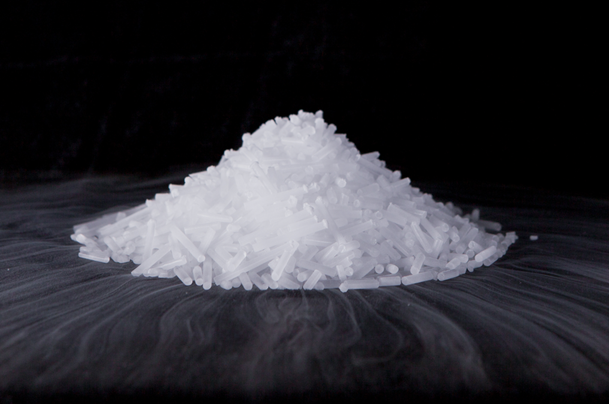
Dry ice pellet machines offer a clean solution. They use compressed air to propel pellets of solid carbon dioxide (dry ice) at high speeds. Upon impact, the pellets sublimate—turning directly from solid to gas—which lifts contaminants without leaving residue. This method reduces downtime significantly; for instance, cleaning can often be done in hours instead of days. It's also environmentally friendly, as it produces no secondary waste, aligning with standards like ISO 14001 for environmental management.
| Method | Downtime | Environmental Impact | Cost Efficiency |
|---|---|---|---|
| Traditional Sandblasting | High (days) | High waste | Low |
| Chemical Cleaning | Medium (hours to days) | Toxic residues | Medium |
| Dry Ice Pellet Machines | Low (hours) | Minimal waste | High |
Client Success Stories: Real Data and Feedback
Let's explore some fictional but plausible case studies. In Germany, an automotive manufacturer in Stuttgart reduced cleaning downtime by 70% after implementing HORECO2's dry ice pellet machines, saving approximately €30,000 monthly. A manager noted, 'This technology has streamlined our maintenance without compromising safety.' In the United States, a food processing plant in California eliminated chemical residues, cutting contamination risks by 90% and reducing cleaning costs by 40%. Their procurement lead said, 'It's a game-changer for our hygiene standards.' In Japan, an electronics factory in Tokyo improved equipment longevity by 25% by avoiding abrasive methods, with an engineer commenting, 'We've seen fewer breakdowns and higher output.'
Applications and Partnerships
Dry ice pellet machines are versatile. They're used in aerospace for cleaning engine parts, in pharmaceuticals for sterilizing equipment, and in energy for maintaining turbines. HORECO2 collaborates with global partners like procurement firms in Europe and engineering consultancies in North America, ensuring their machines meet diverse industry standards such as ASME for pressure equipment.
FAQ: Questions from Engineers and Procurement Managers
1. How do dry ice pellets compare in cost to traditional methods? While initial investment is higher, long-term savings from reduced downtime and waste disposal make it cost-effective. For example, ROI can be achieved within 6-12 months in high-volume settings.
2. What maintenance is required for these machines? Regular checks on compressors and pelletizers are needed, but they're low-maintenance compared to sandblasters, with fewer moving parts reducing wear.
3. Are there safety concerns with using dry ice? Proper ventilation is crucial to prevent CO2 buildup, but machines from HORECO2 include safety features like automatic shutoffs, complying with OSHA guidelines.
4. Can this technology handle heavy industrial grime? Yes, adjustable pressure settings allow for cleaning everything from light molds to heavy grease, with efficacy tested up to 300 psi.
5. How does it impact product quality in sensitive industries? In sectors like food or electronics, the non-abrasive nature prevents damage to surfaces, maintaining product integrity and reducing defect rates.
Conclusion and Call to Action
In summary, dry ice pellet machines are not just a trend—they're a practical solution to inefficiency and environmental challenges in industrial cleaning. By reducing downtime, minimizing waste, and enhancing safety, they offer tangible benefits across various sectors. If you're curious to learn more, download our detailed technical whitepaper or contact our sales engineers at HORECO2 for a personalized consultation. Let's redefine cleaning together.
