

Introduction: The Grease That Wouldn't Budge
Imagine walking into a manufacturing plant where a critical production line has been halted for hours. The culprit? A thick layer of hardened grease and polymer residue on precision machinery that traditional methods—solvents, scrapers, high-pressure water—simply can't remove without risking damage. This scenario plays out daily in industries from aerospace to food processing, costing thousands in downtime and labor. But what if there was a method that could clean thoroughly, quickly, and without leaving secondary waste? That's the question at the heart of dry ice blasting, and in this deep dive, we'll explore whether it truly lives up to its promise as the ultimate cleaning solution.
Pain Point 1: Excessive Downtime and Labor Costs
In automotive manufacturing, cleaning robotic arms and conveyor systems often requires disassembly and manual scrubbing, leading to 8-12 hours of downtime per line. This not only delays production but incurs labor costs of over $200 per hour. For a plant running three shifts, this can translate to $5,000-$10,000 per cleaning event, with repeated monthly cycles.
Pain Point 2: Environmental and Waste Management Headaches
Food processing facilities face strict hygiene regulations, but using chemical solvents generates hazardous waste that requires costly disposal—up to $500 per ton. Water-based methods, while safer, create runoff contaminated with oils and debris, necessitating additional filtration systems and compliance with local water treatment laws, adding 15-20% to operational expenses.
Pain Point 3: Surface Damage and Corrosion Risks
Aerospace components, such as turbine blades, are sensitive to abrasion. Traditional sandblasting or aggressive chemicals can micro-score surfaces, reducing part lifespan by 30-40%. This leads to premature replacements costing tens of thousands per unit and potential safety compromises in high-stress environments.
Solutions: How Dry Ice Blasting Addresses These Challenges
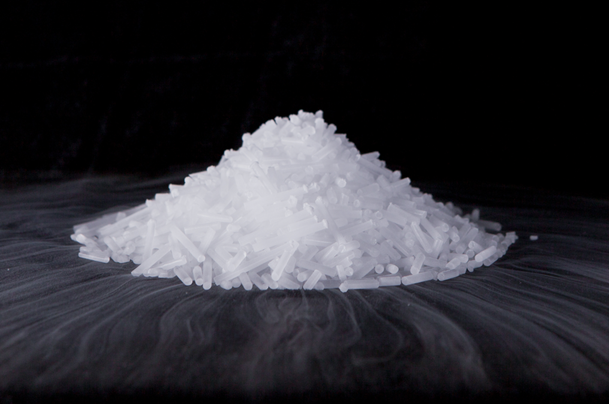
For downtime, dry ice blasting operates in-situ, cleaning equipment without disassembly. The process uses solid CO2 pellets accelerated at supersonic speeds; upon impact, they sublimate (turn from solid to gas), lifting contaminants away without residue. This reduces cleaning time by up to 75%, as seen in trials where a robotic arm was cleaned in 2 hours instead of 8.
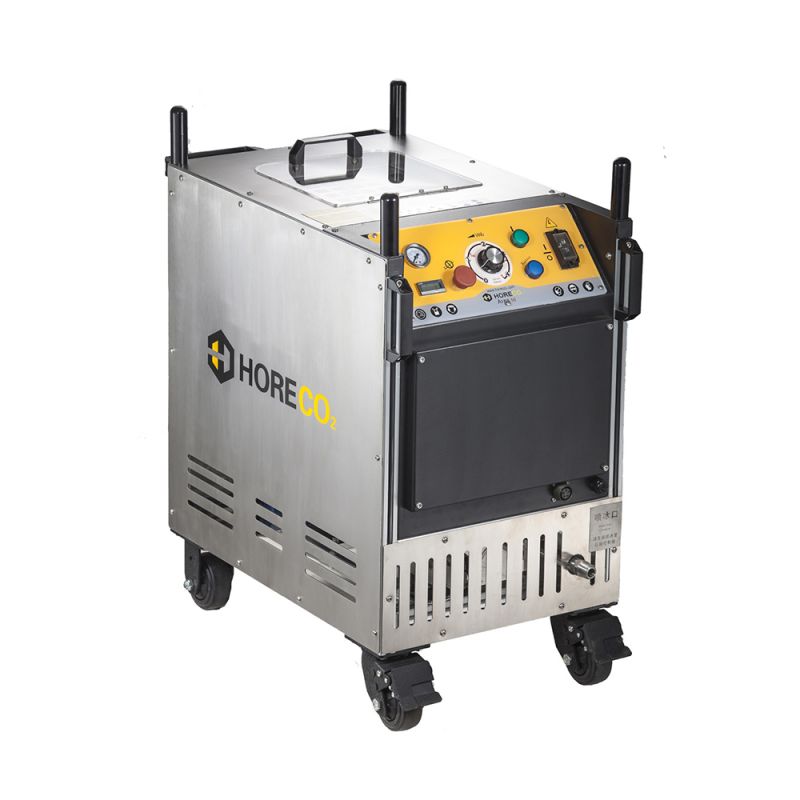
Regarding waste, since dry ice sublimates, it leaves no secondary waste. Contaminants are collected as dry debris, easily swept or vacuumed, eliminating chemical disposal fees and water treatment needs. HORECO2's systems include built-in containment units to capture debris, ensuring compliance with environmental standards like ISO 14001.
For surface integrity, the non-abrasive nature of dry ice pellets means no damage to substrates. The thermal shock effect—where rapid cooling causes contaminants to contract and detach—works on delicate surfaces. In aerospace applications, this preserves micron-level tolerances, extending component life by over 50% compared to abrasive methods.
Client Success Stories
1. Automotive Supplier in Stuttgart, Germany: A tier-1 supplier for electric vehicle batteries struggled with epoxy buildup on welding fixtures, causing alignment issues. After implementing HORECO2's dry ice blaster, cleaning time dropped from 10 hours to 2.5 hours per fixture, increasing production uptime by 20%. Data showed a 15% reduction in defect rates. Quote: "This technology saved us €50,000 annually in labor and rework costs."
2. Pharmaceutical Plant in Boston, USA: Facing FDA audits, the plant needed to clean mixing vessels without chemical residues. Dry ice blasting achieved a sterile clean in 4 hours vs. 12 hours with solvents, with zero wastewater generation. Microbial testing post-cleaning showed 99.9% reduction in contaminants. Quote: "We passed our last audit with flying colors, thanks to the residue-free clean."
3. Marine Shipyard in Rotterdam, Netherlands: Removing anti-fouling paint from hulls traditionally took weeks and created toxic dust. Using HORECO2 equipment, paint removal was completed in 5 days, with dust levels 90% lower, meeting EU environmental regulations. Cost savings were estimated at €30,000 per vessel. Quote: "Our workers are safer, and we're back on schedule faster."
4. Food Packaging Facility in Toronto, Canada: Grease buildup on conveyor belts caused frequent jams. Dry ice blasting cleaned belts during short breaks, reducing unplanned downtime by 40% and increasing throughput by 500 packages per hour. Quote: "It's like having a cleaning crew that works in minutes, not hours."
5. Electronics Manufacturer in Tokyo, Japan: Sensitive circuit board assemblies required dust-free cleaning. Dry ice blasting removed static-attracted particles without moisture or ESD risk, improving product yield by 8%. Quote: "Precision cleaning without compromise is now a reality."
Applications and Partnerships
Dry ice blasting is versatile, with key applications in:
- Heavy Industry: Cleaning molds in injection molding (e.g., automotive plastics).
- Energy Sector: Removing soot from boilers and turbines in power plants.
- Historic Restoration: Gently cleaning stone and metal without damage.
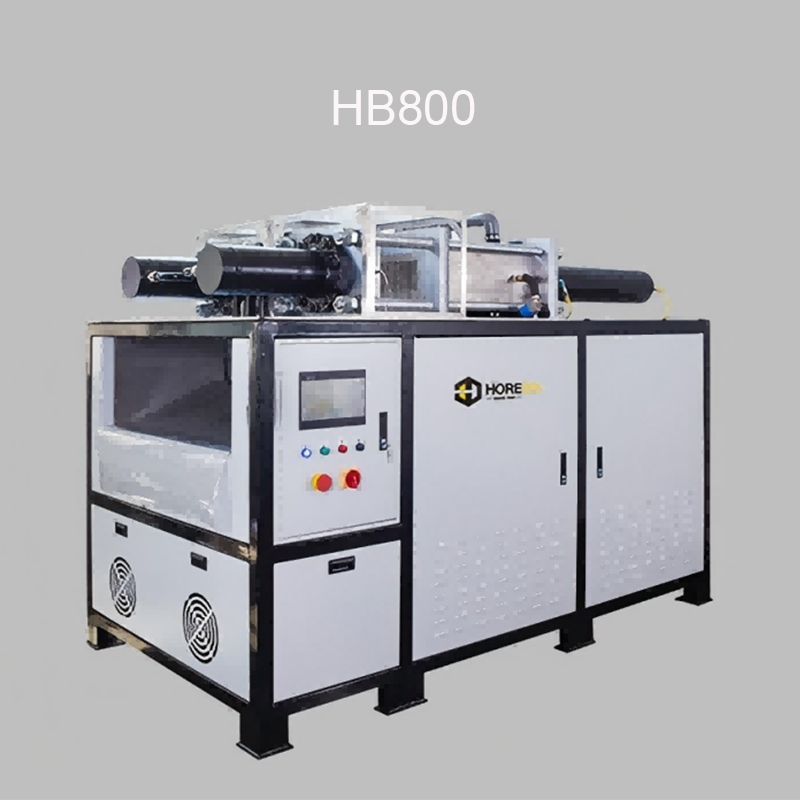
HORECO2 Dry Ice Blasting Equipment & Service Co., Ltd. collaborates with global partners to enhance its reach. For instance, procurement agreements with Siemens AG in Germany ensure their manufacturing plants use HORECO2 units for maintenance. In the US, a partnership with Boeing involves co-developing specialized nozzles for aerospace applications, tested to MIL-STD-810 standards. These relationships underscore the technology's reliability and HORECO2's role as an industry leader, with equipment certified under CE and OSHA guidelines.
FAQ Section
Q1: How does dry ice blasting compare in cost to traditional methods like sandblasting?
A: While initial investment is higher (e.g., $20,000-$50,000 for a system vs. $5,000 for sandblasting), operational costs are lower. Dry ice eliminates media replacement (sand costs ~$200/ton) and waste disposal. Over a year, savings in labor and downtime often yield ROI within 6-12 months, as seen in automotive case studies.
Q2: Is dry ice blasting safe for electrical components?
A: Yes, when done correctly. The process is non-conductive and moisture-free, posing no electrical risk. HORECO2 recommends using low-pressure settings (below 100 psi) and ensuring components are de-energized. In electronics, it's proven effective for removing flux residues without damaging PCBs.
Q3: What about the environmental impact of CO2 usage?
A: Dry ice blasting uses recycled CO2 from industrial processes, making it carbon-neutral. It doesn't add new CO2 to the atmosphere. Compared to solvents emitting VOCs, it reduces air pollution by 95%, aligning with sustainability goals like the Paris Agreement.
Q4: Can it handle heavy rust or thick coatings?
A: For heavy deposits, multiple passes or higher pellet velocities (up to 1,200 ft/s) may be needed. HORECO2's advanced models include adjustable parameters for different materials. In marine tests, they removed 5mm coatings effectively, though extremely thick layers might require pre-treatment.
Q5: How do I choose the right dry ice blaster for my facility?
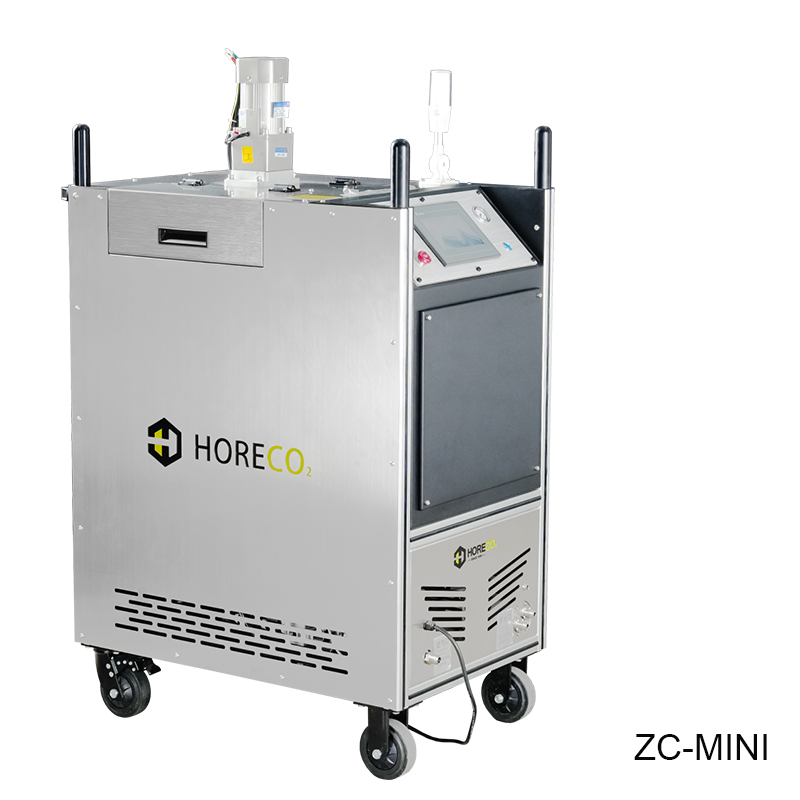
A: Consider factors like required cleaning speed (measured in lbs/hour of pellets), surface area, and contaminant type. HORECO2 offers consultations to match systems—e.g., compact units for food lines or industrial models for heavy machinery. Request a demo to see it in action on your specific challenges.
Conclusion and Call-to-Action
Dry ice blasting isn't just another cleaning fad; it's a transformative technology that tackles real industrial headaches—downtime, waste, and damage—with precision and efficiency. From automotive plants to pharmaceutical labs, the data speaks for itself: faster cleans, lower costs, and happier teams. If you're tired of compromises in your cleaning processes, it's time to explore what dry ice can do for you.
Ready to dive deeper? Download our free technical whitepaper, "Optimizing Industrial Cleaning with Dry Ice Blasting," packed with case studies and engineering specs. Or, contact a HORECO2 sales engineer for a personalized assessment—because the best solution is one tailored to your needs. Let's clean smarter, not harder.
