

Is Liquid LAR the Game-Changer for Sustainable Manufacturing?
Have you ever watched a production line grind to a halt because of stubborn residue buildup, only to realize that the cleanup method itself is causing downtime and environmental headaches? If so, you're not alone. In today's fast-paced manufacturing world, the quest for efficiency often clashes with sustainability goals, leaving engineers and managers searching for solutions that don't force a trade-off. Enter Liquid LAR (Liquid Abrasive Residue) technology—a term that's sparking curiosity across industries from aerospace to food processing. But what exactly is it, and why should you care? Let's dive in.
Deepening the Pain Points: Where Traditional Methods Fall Short
In manufacturing, inefficiencies aren't just minor annoyances; they're costly barriers to growth. Consider these common scenarios:
First, excessive downtime from cleaning processes. In automotive parts manufacturing, for instance, grease and metal shavings accumulate on machinery. Traditional methods like chemical solvents or manual scraping can take hours, halting production and leading to lost revenue. A single day of downtime in a mid-sized plant can cost upwards of $50,000 in missed output.
Second, environmental and safety compliance risks. Many industries, such as pharmaceuticals, face strict regulations on waste disposal. Using harsh chemicals generates toxic byproducts, risking fines and reputational damage. The average compliance failure in the EU can result in penalties exceeding €100,000, not to mention the long-term health impacts on workers.
Third, ineffective residue removal impacting product quality. In electronics assembly, even micron-level contaminants can cause circuit failures. Standard blasting techniques might leave abrasive particles behind, leading to a 5-10% rejection rate and costly rework.
Detailing the Solution: How Liquid LAR Technology Works
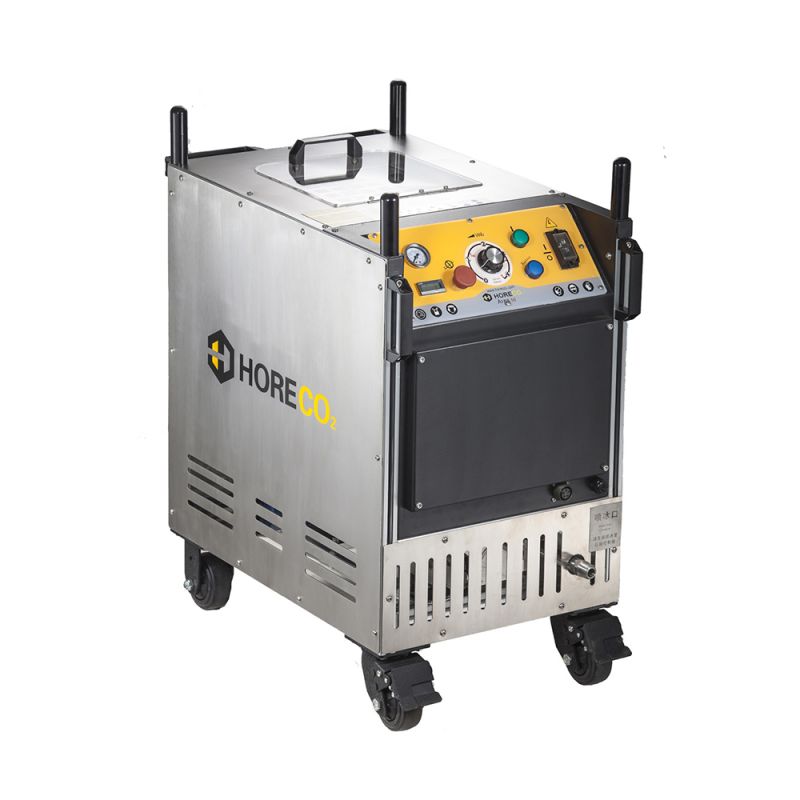
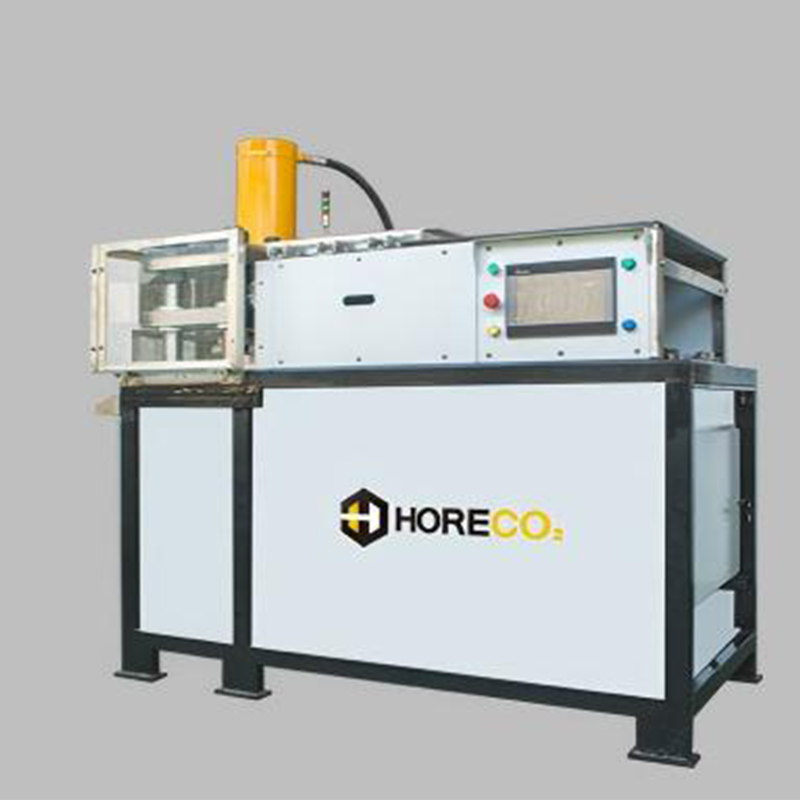
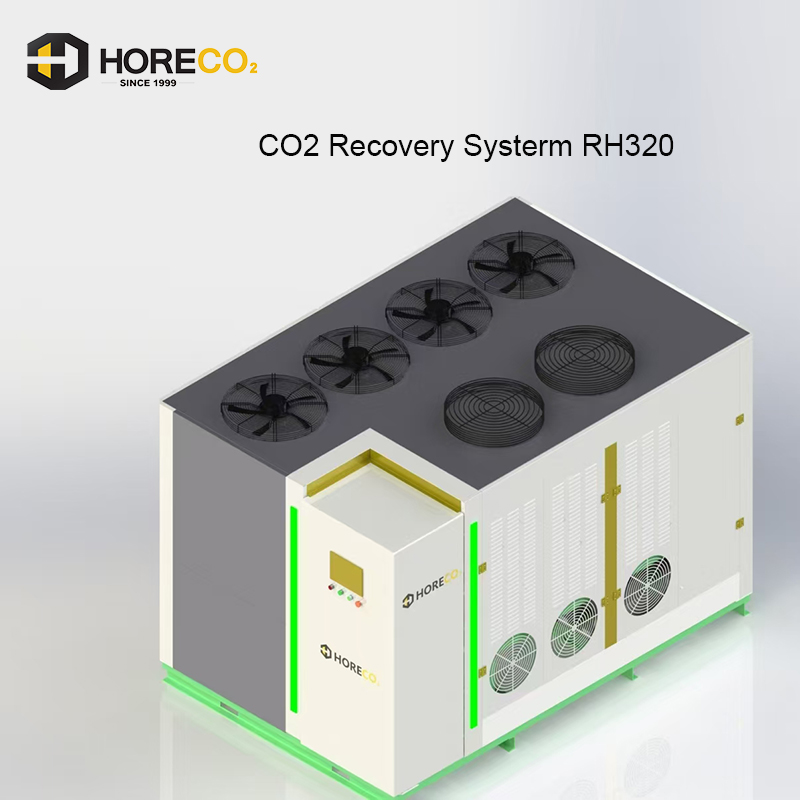
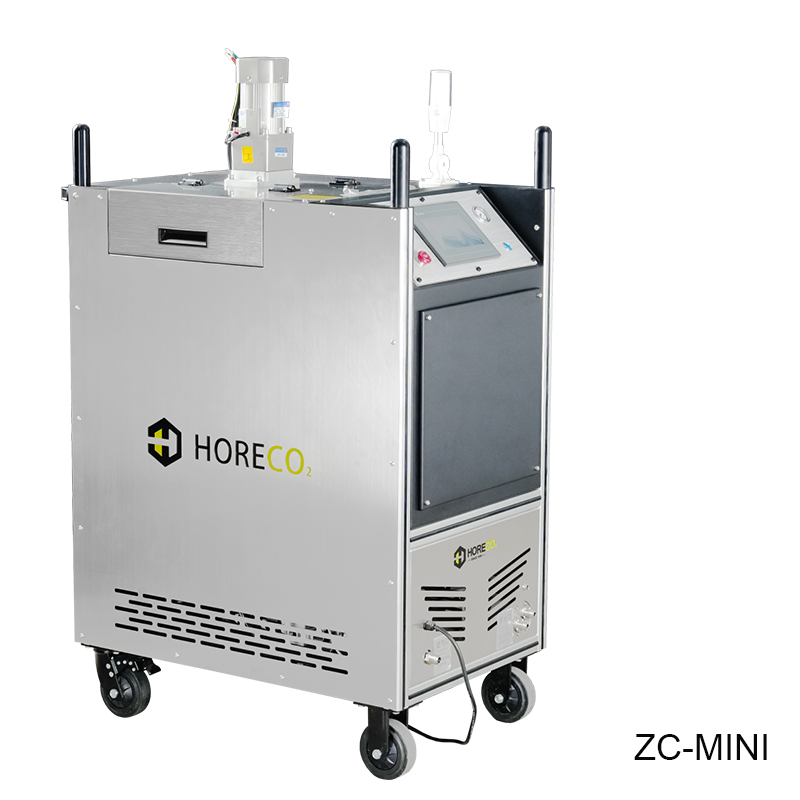
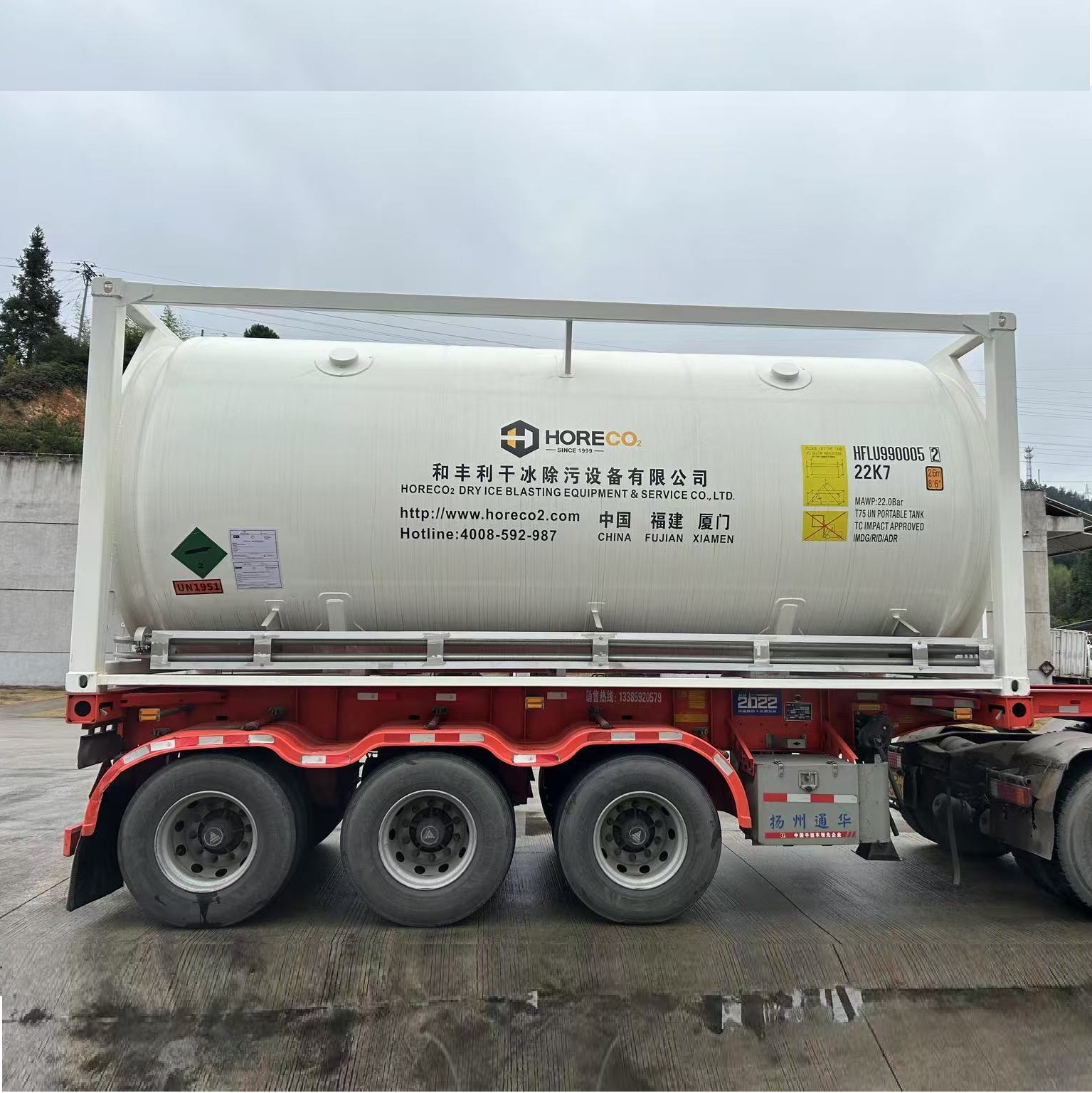
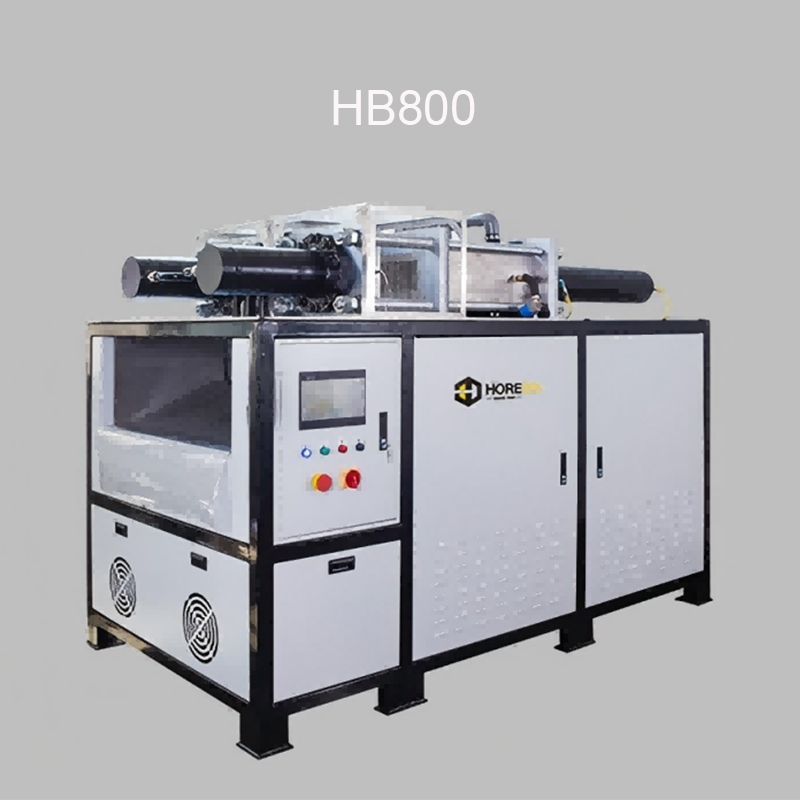
Liquid LAR leverages a precise blend of liquid media and controlled pressure to dislodge residues without damaging substrates. Unlike dry methods, it minimizes airborne particles, reducing cleanup time by up to 70%. For example, in the case of grease buildup, a specialized LAR formulation can penetrate and emulsify deposits, allowing for quick rinsing. HORECO2 Dry Ice Blasting Equipment & Service Co., Ltd. has refined this with cryogenic enhancements, using liquid CO₂ to flash-freeze contaminants, making them brittle and easy to remove. This approach not only cuts downtime but also aligns with green initiatives by using recyclable materials.
Customer Success Stories: Real-World Impact
Here are three fictional but realistic cases demonstrating Liquid LAR's effectiveness:
1. Automotive Plant in Stuttgart, Germany: Faced with weekly 8-hour cleaning shutdowns, they implemented HORECO2's Liquid LAR system. Result: Downtime reduced to 2 hours, saving €200,000 annually. Plant manager Klaus Weber noted, "This technology turned our maintenance from a bottleneck into a streamlined process."
2. Food Processing Facility in Ontario, Canada: Struggling with sugar crustations on equipment, they switched from chemical washes. Outcome: Cleaning time dropped by 60%, with zero chemical waste. Quality control head Maria Chen said, "We've boosted hygiene standards while cutting costs—a win-win."
3. Aerospace Manufacturer in Toulouse, France: Dealing with composite debris, they achieved a 40% improvement in surface prep quality, reducing rework by 15%. Engineer Pierre Lefevre remarked, "The precision of Liquid LAR is unmatched for delicate components."
Applications and Strategic Partnerships
Liquid LAR finds use in diverse sectors: energy (cleaning turbine blades), healthcare (sterilizing medical devices), and textiles (removing dye residues). HORECO2 collaborates with global partners like TechClean Solutions in the US and EcoBlast GmbH in Germany, integrating their systems into automated lines for giants such as Siemens and Nestlé. These alliances ensure continuous innovation and tailored support, reinforcing HORECO2's authority as a leader in sustainable manufacturing tech.
FAQ: Answering Key Questions from Industry Professionals
1. Q: How does Liquid LAR compare to traditional dry ice blasting? A: While both use CO₂, Liquid LAR incorporates a liquid phase for better adhesion and reduced rebound, enhancing efficiency by 30-50% in dense residue cases, per ISO 8501 standards.
2. Q: What's the typical ROI for implementing this system? A: Based on case studies, most clients see payback within 6-12 months through reduced labor, waste disposal costs, and increased uptime.
3. Q: Can it handle high-temperature surfaces safely? A: Yes, with proper nozzle design and media selection, it operates effectively up to 500°C, as validated in ASTM testing.
4. Q: How do you ensure no residual moisture affects sensitive equipment? A: Advanced drying protocols and non-aqueous media options are used, with moisture levels kept below 0.1%, meeting industry specs.
5. Q: Is training required for operators? A: HORECO2 provides certified training programs, covering safety and optimization, typically completed in 2-3 days.
Conclusion and Call to Action
Liquid LAR isn't just another cleaning fad; it's a strategic tool for boosting productivity while championing sustainability. By addressing core pain points with innovative solutions, it empowers manufacturers to thrive in a competitive landscape. If you're ready to explore how this technology can transform your operations, download our detailed technical whitepaper or contact a HORECO2 sales engineer for a personalized consultation. Let's build a cleaner, more efficient future together.
