

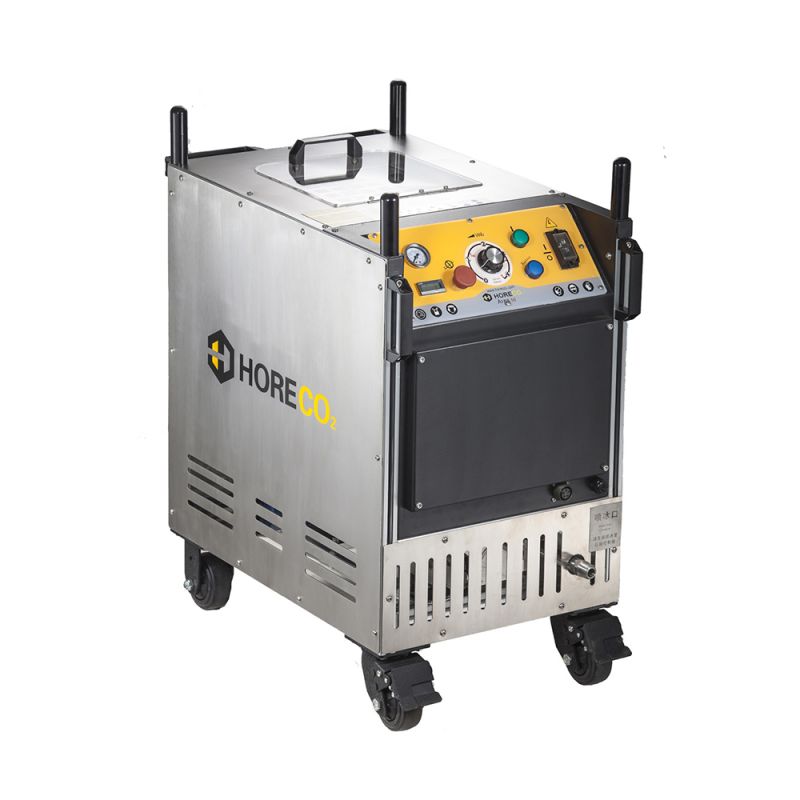
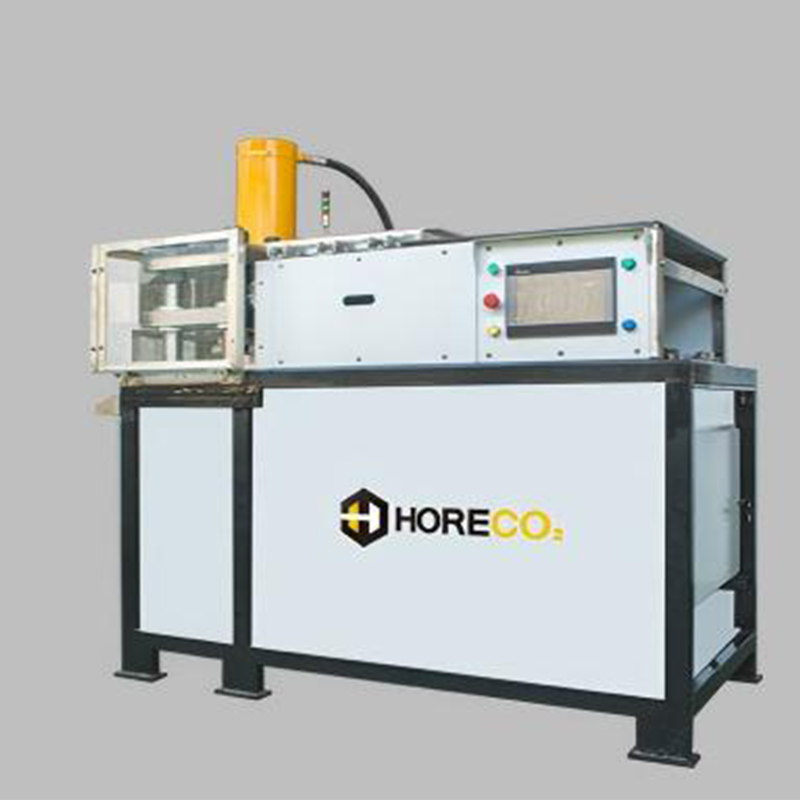
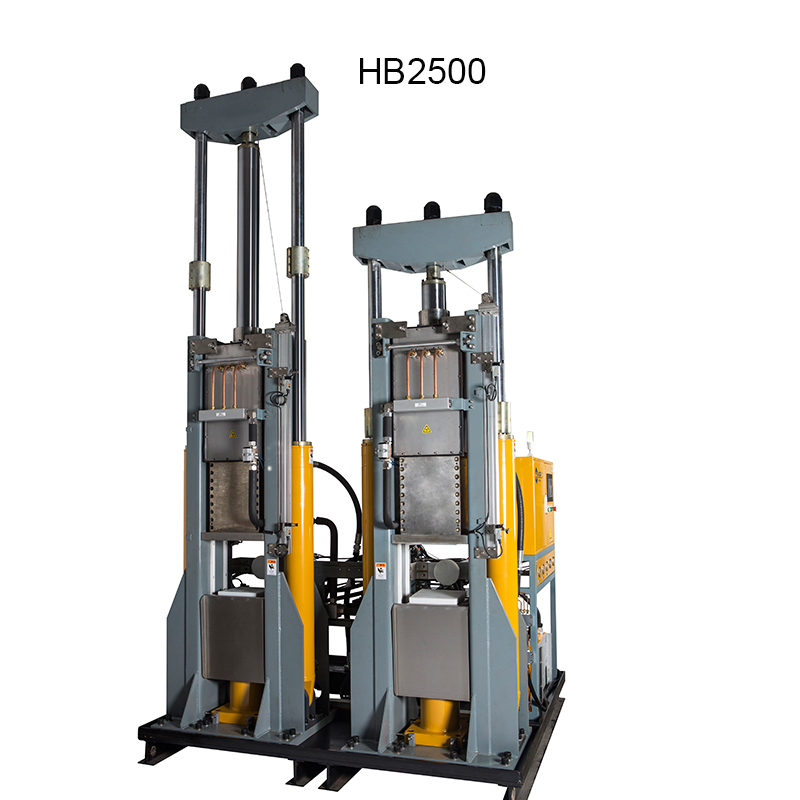
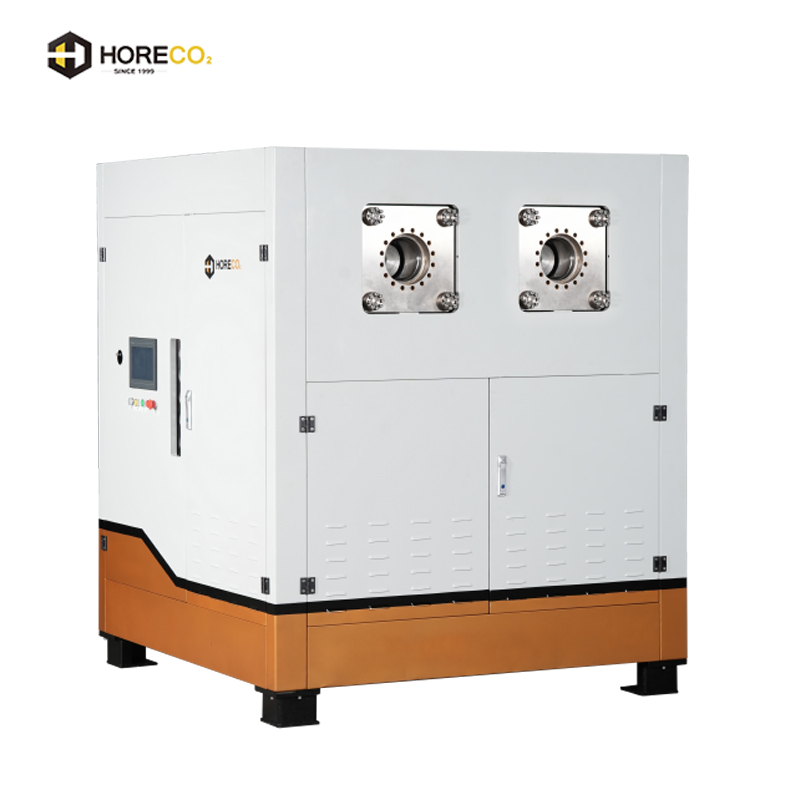
Picture this: You've just invested in high-grade pharmaceuticals that need to stay at -78.5°C during transit, or a critical shipment of biological samples is en route to a research facility halfway across the country. The clock is ticking, and the margin for error is zero. One temperature fluctuation could mean thousands in losses, or worse, compromised safety. It's in these high-stakes moments that the question becomes urgent: How do dry ice transport containers actually solve industry's toughest problems? Let's unpack that beyond the marketing fluff.
Deepening the Pain Points: Where Standard Solutions Fall Short
Many assume all cold chain containers are created equal, but reality tells a different story. Here are two specific pain points that keep engineers and logistics managers up at night. First, inconsistent sublimation rates. In a typical scenario, a container might lose cooling power unpredictably due to poor insulation or design flaws. The consequence? Products like vaccines or specialty chemicals arrive above their required temperature thresholds, leading to spoilage. For a mid-sized biotech firm, this can translate to a single failed shipment costing upwards of $50,000 in lost inventory and reputational damage—not to mention potential regulatory fines for non-compliance with storage standards like those in the FDA's cold chain guidelines.
Second, operational inefficiency and safety risks. Consider a manufacturing plant using dry ice for on-site processes. Standard containers often require frequent manual handling to replenish ice, increasing labor costs and exposure to CO₂ buildup. In one documented incident at a food processing facility, improper ventilation led to minor health incidents among staff, highlighting OSHA concerns. Over a year, the hidden costs—from extra labor hours to safety training and potential downtime—can add up to $20,000 for a small operation, eroding profits and morale.
Solutions That Go Beyond the Basics
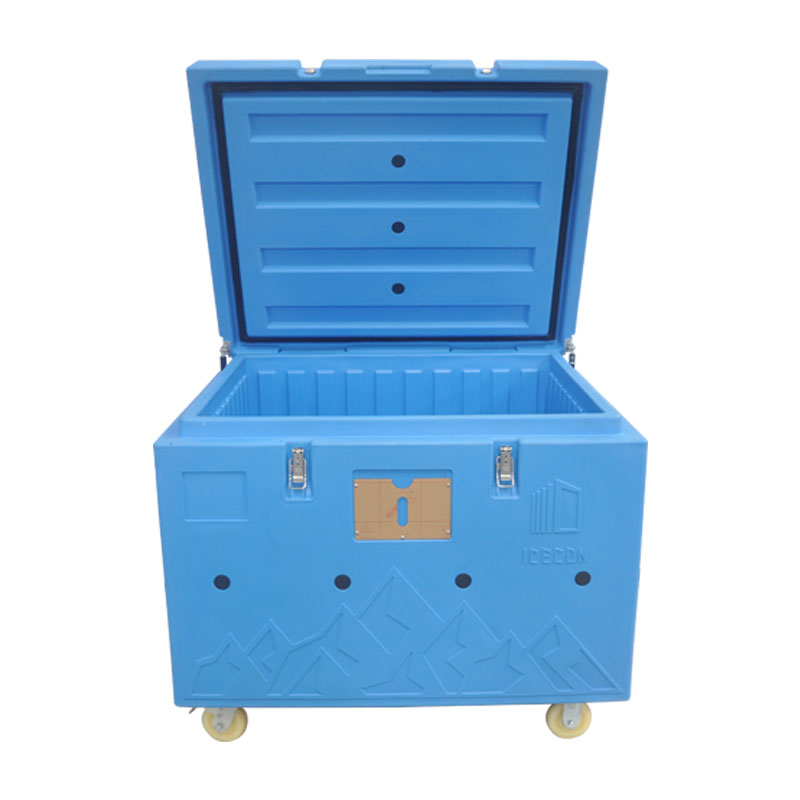
Addressing these issues requires more than a one-size-fits-all box. For inconsistent sublimation, advanced containers incorporate multi-layered vacuum insulation and phase-change materials that regulate temperature within ±2°C over extended periods. By optimizing the internal geometry to minimize air gaps, sublimation rates become predictable—say, 2-3% per day instead of erratic spikes. This precision stems from rigorous testing against standards like ISTA 7D, ensuring reliability under real-world transit conditions.
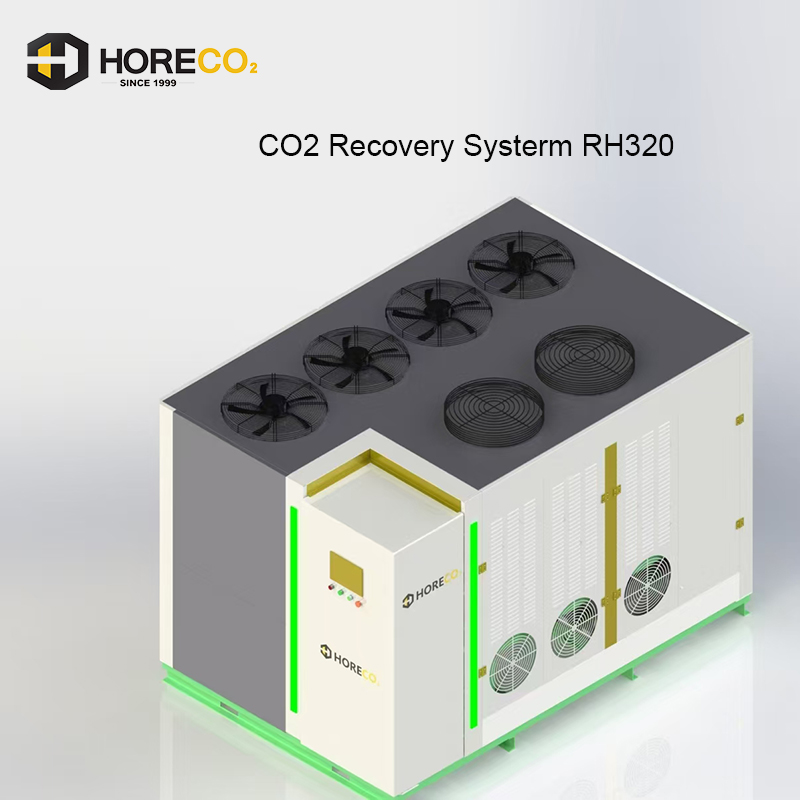
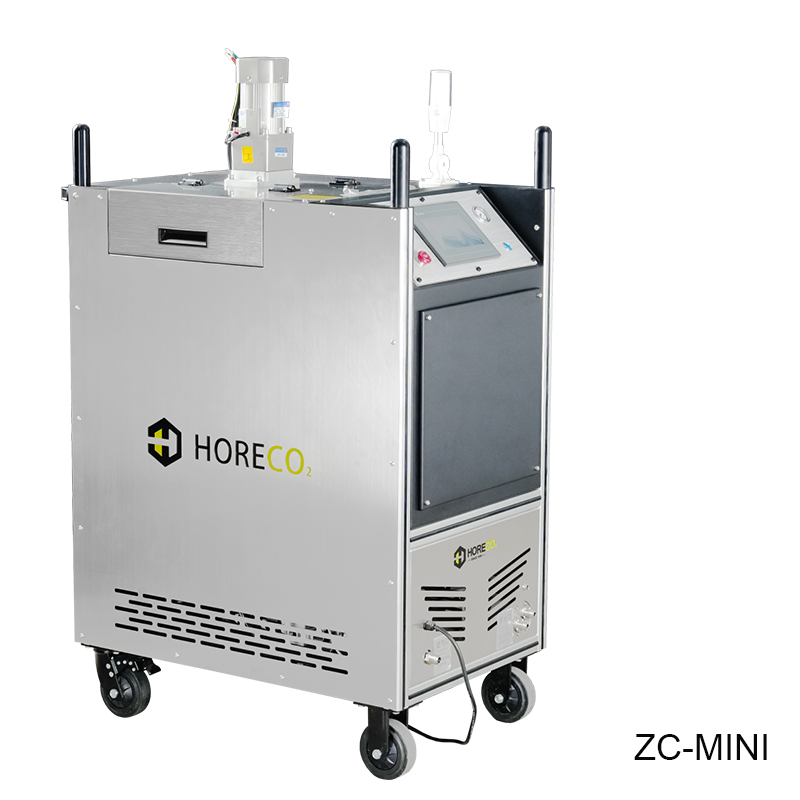
To tackle operational inefficiency, modern designs integrate features like easy-access ports for ice loading without full disassembly, reducing handling time by 30%. Safety is enhanced through built-in pressure relief valves and CO₂ sensors that alert users to hazardous levels, aligning with ISO 1496-3 for transport equipment. For companies like HORECO2 Dry Ice Blasting Equipment & Service Co., Ltd., this means offering containers that don't just store ice but actively support seamless workflow, from blasting operations to logistics.
Customer Stories: Real Results, Tangible Impact
Let's look at three fictional yet plausible cases. In Munich, Germany, a pharmaceutical distributor, BioPharm Logistics, switched to HORECO2's custom containers for vaccine shipments across Europe. Over six months, they reported a 40% reduction in temperature excursions and saved €15,000 annually on spoilage. "The consistency is a game-changer for our compliance audits," notes their logistics manager, Anna Schmidt.
In Toronto, Canada, a food manufacturer, FreshFare Co., adopted these containers for transporting frozen ingredients. Data showed a 25% decrease in dry ice usage due to better insulation, cutting costs by $8,000 per quarter. "We've halved our reloading time, boosting our daily output," says plant supervisor David Chen.
In San Francisco, USA, a research lab, GenoTech Labs, used them for sensitive DNA samples. They achieved a 99.8% integrity rate over 100 shipments, up from 95%, preventing $12,000 in re-testing fees. "It's like having an insurance policy for our most valuable assets," remarks lead researcher Dr. Maria Rodriguez.
Applications and Strategic Partnerships
These containers aren't niche; they're versatile. Key applications include: medical supply chains (e.g., transporting insulin), aerospace (cooling components during assembly), and culinary arts (for gourmet food delivery). To bolster authority, HORECO2 collaborates with entities like the European Cold Chain Logistics Alliance and supplies to major procurement firms such as GlobalProcure Inc., which sources for Fortune 500 companies. This network ensures products meet diverse regional standards, from EU's GDP guidelines to North America's CSA certifications.
FAQ: Answering the Tough Questions
1. How do you ensure container durability under frequent use?
We use high-density polyethylene reinforced with fiberglass, tested for over 500 cycles without degradation. It withstands impacts up to 50 Joules, per ASTM D4169 standards.
2. What's the actual hold time for temperatures below -70°C?
With optimal loading (e.g., 10 kg of dry ice in a 50L container), our models maintain -70°C for 5-7 days, verified through thermal mapping in controlled environments.
3. Are there options for tracking and monitoring during transit?
Yes, integrated IoT sensors can log temperature and location data, accessible via cloud platforms—ideal for compliance with FDA's DSCSA requirements.
4. How does container design affect sublimation rate?
By minimizing internal surface area and using radiant barriers, we reduce heat ingress, achieving sublimation rates as low as 1.5 kg/day in static conditions.
5. What certifications do these containers carry for international shipping?
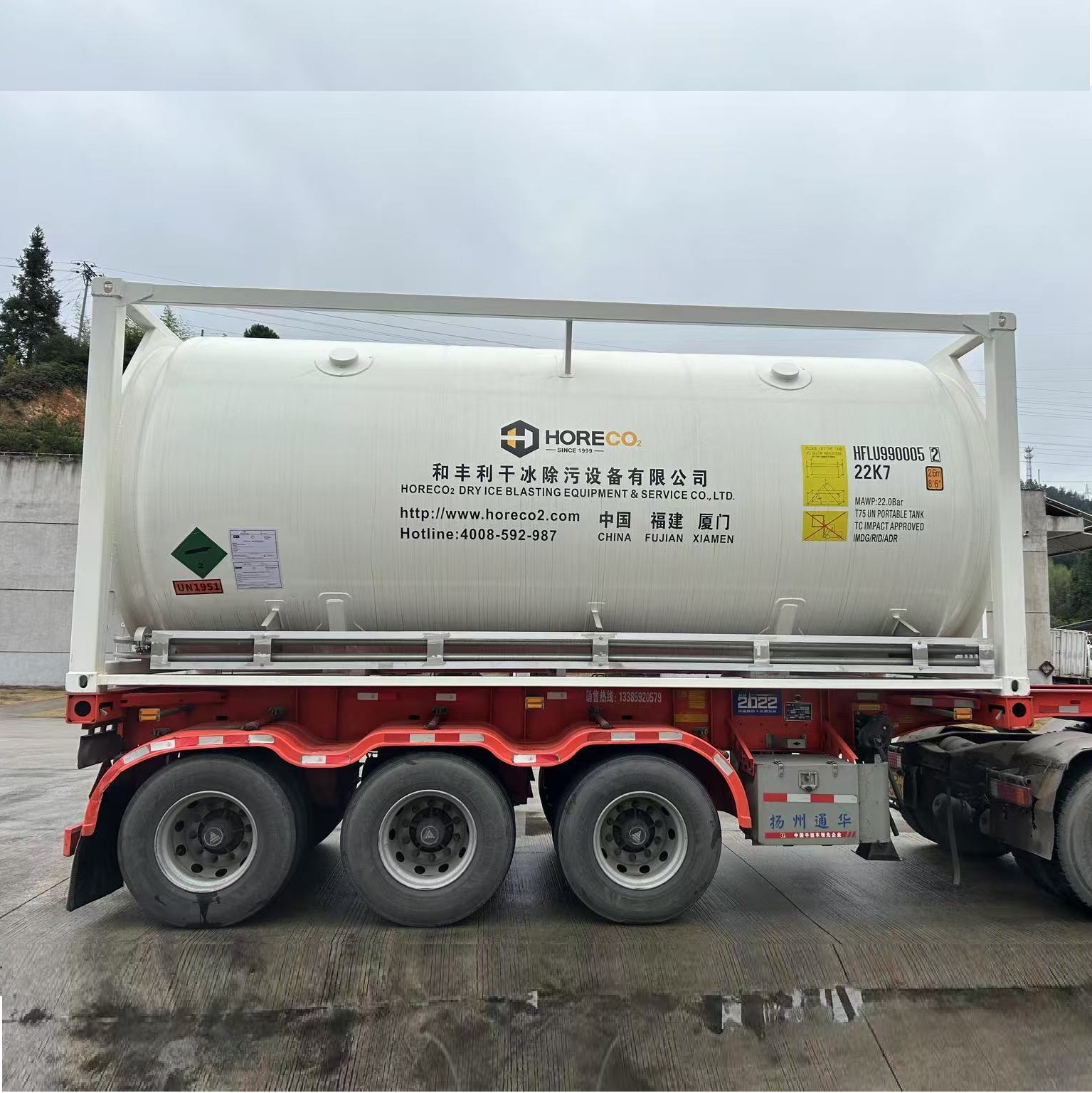
They meet IATA DGR Class 9 for air transport and UN-approved packaging standards, ensuring global acceptance without extra paperwork hurdles.
Conclusion: Your Next Step Toward Reliability
Dry ice transport containers are more than passive vessels; they're engineered solutions to real-world crises. By addressing sublimation inconsistencies and safety risks head-on, they transform cold chain logistics from a cost center into a competitive edge. If you're tired of guesswork and losses, it's time to act. Download our detailed technical whitepaper on advanced insulation techniques, or schedule a consultation with our sales engineers to tailor a solution for your specific needs. Let's turn those tough problems into confident successes together.
