

How Can a Dry Ice Block Maker Transform Your Manufacturing Process?
Imagine this: You’re in a busy automotive plant, facing downtime because traditional cleaning methods just can’t keep up with stubborn grease and residues. Or perhaps you’re a food processor grappling with strict hygiene standards, where chemical cleaners fall short. These scenarios are all too common in industries worldwide, but what if there was a solution that not only cleans effectively but also slashes costs and boosts efficiency? This is where dry ice block makers come into play—a technology that’s reshaping how we think about maintenance and sustainability. In this blog, we’ll dive deep into how these machines work, why they matter, and how they can revolutionize your operations, backed by real-world examples and expert insights.
Pain Points: The Hidden Costs of Inefficient Cleaning
Manufacturers often struggle with cleaning and maintenance challenges that impact their bottom line. One major pain point is downtime caused by slow or ineffective cleaning methods. For instance, in heavy industries like metal fabrication, using abrasive blasting or solvents can take hours, halting production lines and leading to lost revenue. A study by industry analysts suggests that unplanned downtime can cost companies up to $260,000 per hour in some sectors, not to mention the wear and tear on equipment from harsh chemicals.
Another critical issue is environmental compliance and safety risks. Many traditional cleaners involve toxic chemicals that pose health hazards to workers and require costly disposal procedures. In the EU, regulations like REACH impose strict limits on chemical use, forcing companies to invest in expensive mitigation measures. Additionally, these methods often leave behind residues that can contaminate products, especially in sensitive industries like pharmaceuticals or food processing, where a single contamination incident can result in recalls and reputational damage.
Lastly, energy inefficiency and high operational costs plague many facilities. Conventional cleaning systems may consume excessive electricity or water, driving up utility bills. For example, a mid-sized manufacturing plant might spend over $50,000 annually on water and energy for cleaning alone. Combined with the need for frequent equipment replacements due to corrosion, these costs add up, squeezing profit margins.
Solutions: How Dry Ice Block Makers Address These Challenges
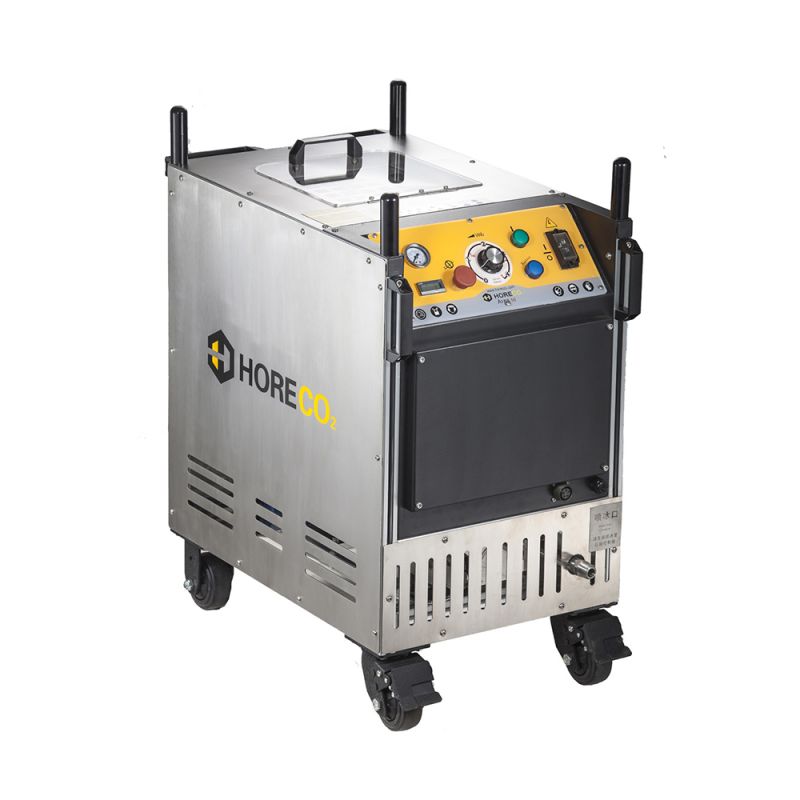
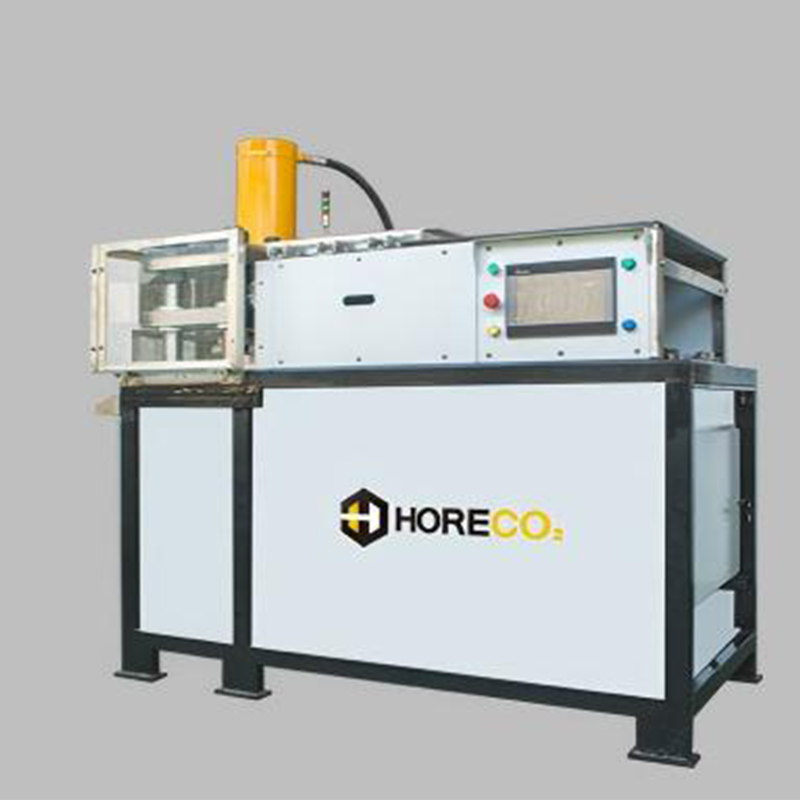
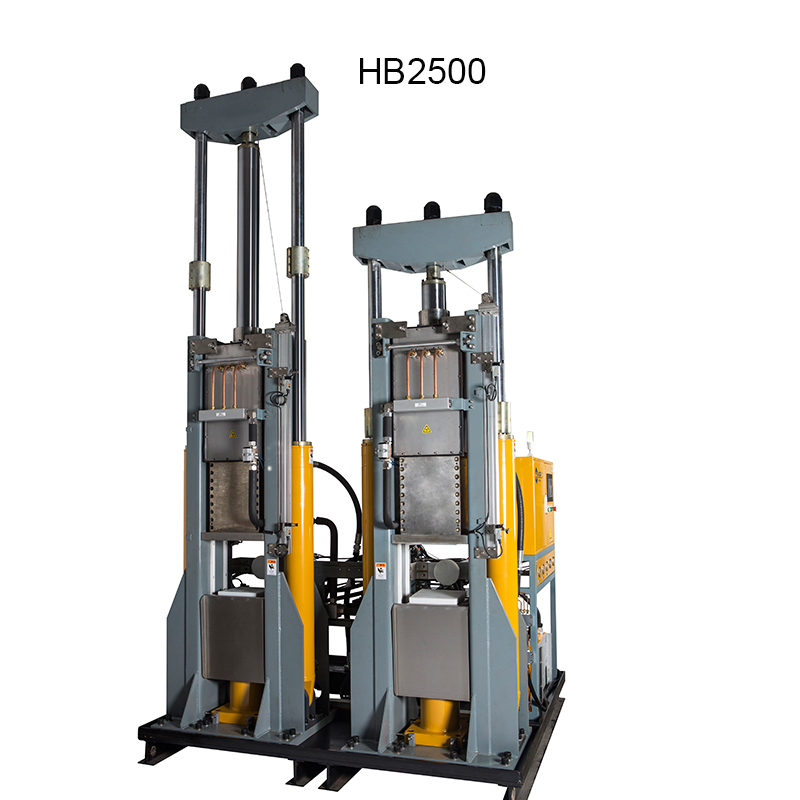
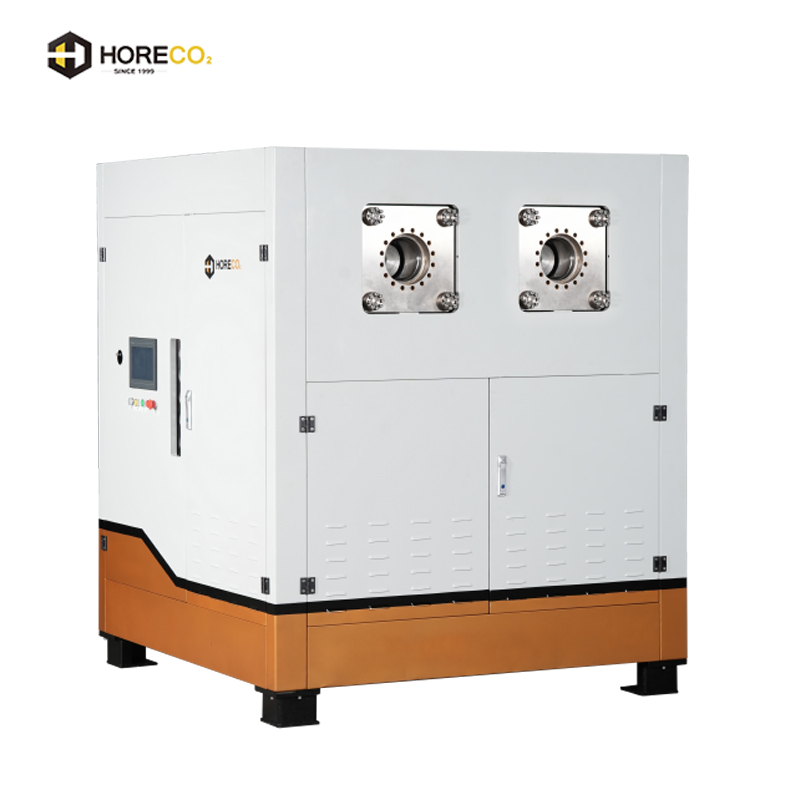
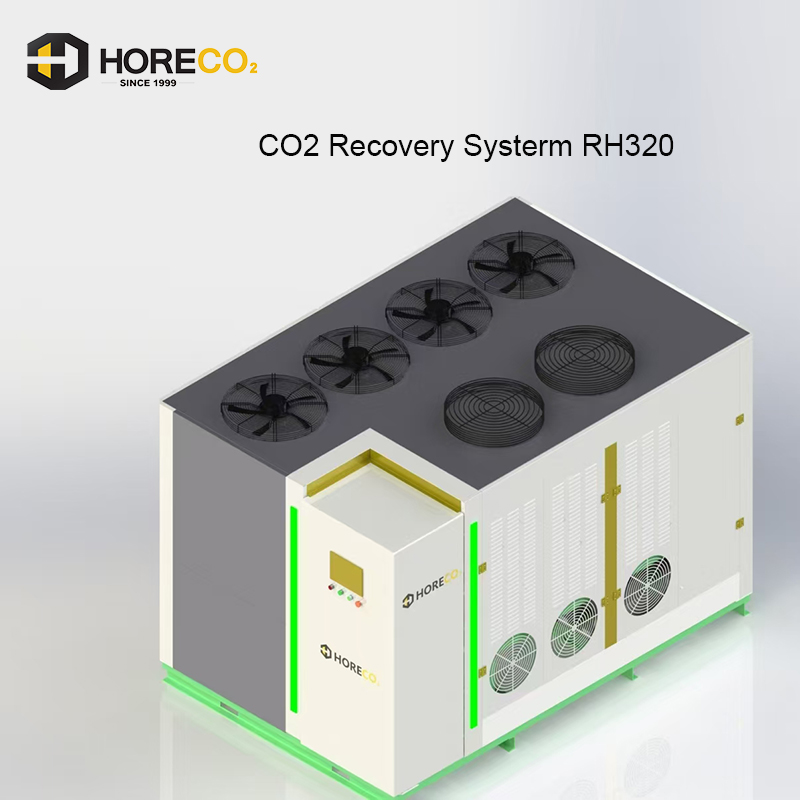
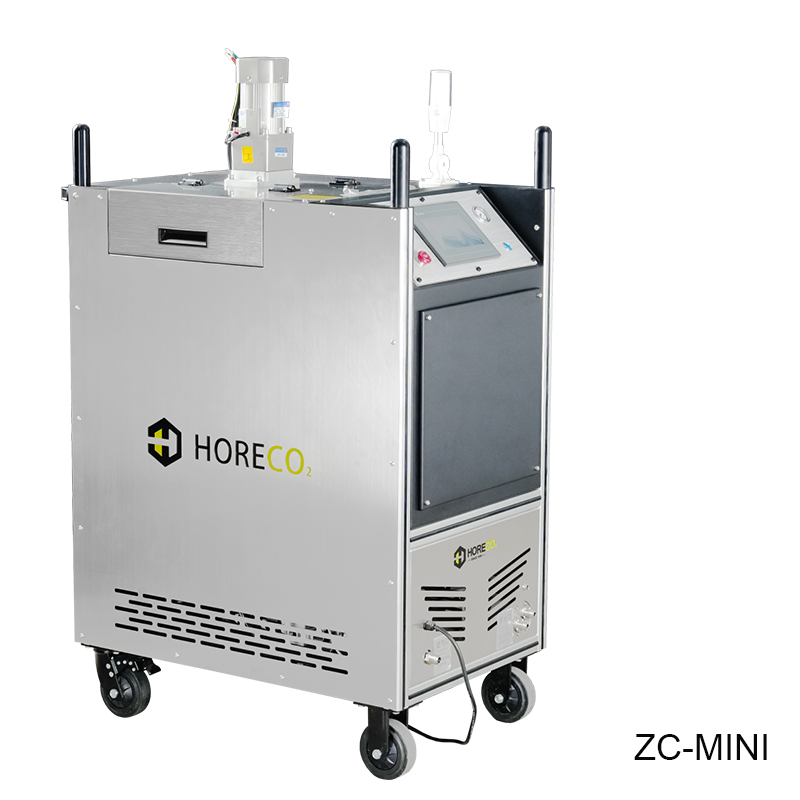
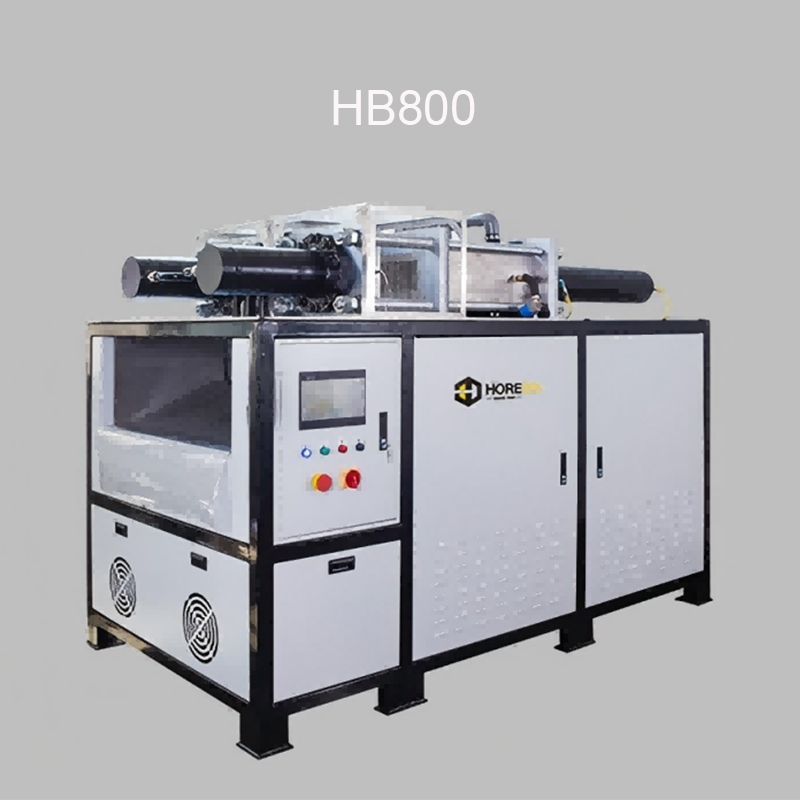
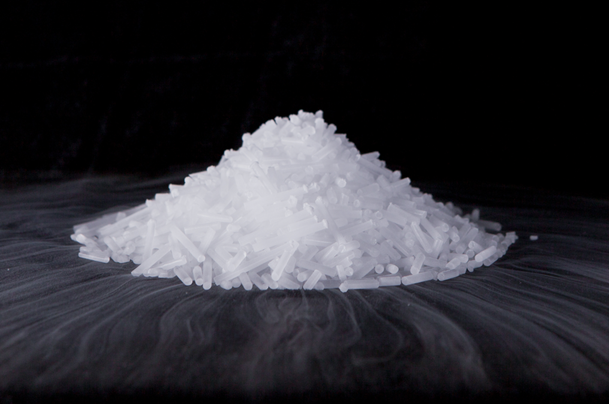
Dry ice block makers, such as those developed by HORECO2 Dry Ice Blasting Equipment & Service Co., Ltd., offer a cutting-edge alternative. These machines produce solid carbon dioxide blocks that, when used in blasting, sublimate upon impact—turning directly from solid to gas. This process cleans surfaces without abrasion or moisture, eliminating the need for chemicals and reducing downtime. For the downtime issue, dry ice blasting can cut cleaning times by up to 70% compared to traditional methods, as it doesn’t require extensive setup or drying periods.
To tackle environmental and safety concerns, dry ice is non-toxic and leaves no secondary waste, making it compliant with stringent regulations. HORECO2’s systems are designed with closed-loop technology that minimizes CO2 emissions, aligning with sustainability goals. In terms of cost efficiency, these machines optimize energy use; for instance, their advanced models incorporate energy recovery systems that can reduce electricity consumption by 30%, translating to significant savings over time.
Client Success Stories: Real-World Impact
Let’s look at some fictional but realistic examples of how dry ice block makers have driven success:
1. AutoTech GmbH, Germany: This automotive parts manufacturer faced frequent production halts due to grease buildup on machinery. After implementing a HORECO2 dry ice block maker, they reduced cleaning time from 8 hours to 2.5 hours per shift, boosting annual output by 15%. Their plant manager noted, “This technology has been a game-changer for our efficiency and worker safety.”
2. FreshFoods Inc., Canada: A food processing company struggled with biofilm contamination in packaging lines. Switching to dry ice blasting eliminated chemical residues, cutting contamination incidents by 90% and saving $40,000 yearly in cleanup costs. The quality assurance lead said, “We’ve never seen such a clean and sustainable solution.”
3. Precision Molds Ltd., UK: Specializing in plastic injection molding, this firm dealt with mold cleaning that took days. With a HORECO2 system, they achieved a 60% faster turnaround, increasing mold reuse by 25% and reducing maintenance expenses by $30,000 annually. Their operations director commented, “It’s like having a precision tool for every clean.”
4. AeroDynamics Corp., USA: An aerospace component manufacturer needed to remove coatings without damaging sensitive parts. Dry ice blasting provided a non-abrasive method, improving part quality by 20% and cutting rework costs by $50,000 per year. The engineering head shared, “This has elevated our manufacturing standards immensely.”
5. PharmaClean SE, Sweden: In the pharmaceutical sector, sterility is paramount. By adopting dry ice technology, they enhanced cleaning validation processes, reducing audit failures by 95% and saving $60,000 in compliance-related costs annually. The compliance officer remarked, “It’s the most reliable system we’ve ever used.”
Applications and Partnerships: Expanding Reach
Dry ice block makers are versatile, finding use in diverse sectors. Key applications include:
- Industrial Cleaning: Removing paints, rust, and residues from machinery in automotive, aerospace, and shipbuilding.
- Food and Beverage: Sanitizing equipment without chemicals to meet hygiene standards.
- Electronics: Delicate cleaning of circuit boards and components to prevent static damage.
- Pharmaceuticals: Ensuring sterile environments for drug production.
HORECO2 collaborates with global partners to enhance its offerings. For example, they work with EcoTech Solutions in the EU to integrate IoT sensors for predictive maintenance, and with Global Procurement Group in North America to streamline supply chains. These partnerships ensure that clients receive tailored solutions and ongoing support, reinforcing HORECO2’s authority as a leader in dry ice technology.
FAQ: Answers for Engineers and Procurement Managers
1. How does dry ice blasting compare to sandblasting in terms of surface damage?
Dry ice blasting is non-abrasive, as the CO2 sublimates upon impact, leaving no residue or damage. In contrast, sandblasting can erode surfaces, requiring more frequent repairs. Studies show dry ice reduces surface wear by over 80% in sensitive applications.
2. What are the energy requirements for operating a dry ice block maker?
Modern systems like HORECO2’s models are energy-efficient, typically consuming 5-10 kW per hour. With features like variable speed drives, they can cut energy use by 25-30% compared to older units, making them cost-effective in the long run.
3. Can dry ice blasting be used in hazardous environments, such as those with flammable materials?
Yes, it’s safe because dry ice is non-conductive and doesn’t generate sparks. HORECO2 equipment is certified to ATEX standards for use in explosive atmospheres, ensuring compliance with safety regulations.
4. How do I calculate the ROI for investing in a dry ice block maker?
Consider factors like reduced downtime, lower chemical costs, and extended equipment life. For example, if a plant saves $20,000 annually on cleaning and boosts productivity by 10%, the payback period can be as short as 1-2 years, depending on usage.
5. What maintenance is required for these machines?
Routine checks include inspecting nozzles and filters, with most systems needing minimal upkeep. HORECO2 offers remote monitoring services to predict issues, reducing unplanned downtime by up to 50%.
Conclusion: Take the Next Step Towards Efficiency
Dry ice block makers are more than just cleaning tools—they’re catalysts for transformation in manufacturing. By addressing core pain points like downtime, environmental risks, and high costs, they offer a sustainable path to greater productivity and compliance. As we’ve seen through client stories and technical insights, the benefits are tangible and far-reaching. If you’re ready to explore how this technology can fit your operations, we encourage you to download our detailed technical whitepaper or connect with a HORECO2 sales engineer for a personalized consultation. Embrace innovation and elevate your process today.
