

Can Industrial Dry Ice Blasting Truly Transform Your Maintenance Operations?
Imagine this: It's 3 AM at an automotive parts plant in Stuttgart. A critical robotic arm grinds to a halt, coated in layers of hardened grease and carbon buildup from months of non-stop production. The maintenance team scrambles, knowing that every minute of downtime costs thousands in lost revenue. Traditional cleaning methods—solvents, abrasives, or manual scraping—are slow, messy, and risk damaging sensitive components. As dawn approaches, the pressure mounts to get the line running again. Could there be a smarter, faster way to handle such crises? This isn't just a hypothetical scenario; it's a daily reality in industries worldwide, where maintenance efficiency directly impacts profitability and safety. In this deep dive, we'll explore how industrial dry ice blasting machines are not just another tool, but a potential game-changer for high-end manufacturing, answering the question: Can they truly transform your operations?
The Hidden Costs of Traditional Cleaning: Pain Points That Cripple Efficiency
Before diving into solutions, it's crucial to understand the specific challenges that plague maintenance teams. These aren't minor inconveniences; they're systemic issues with tangible financial and operational repercussions.
Pain Point 1: Excessive Downtime and Production Losses
In sectors like aerospace or precision engineering, equipment cleaning is often a bottleneck. For example, cleaning a turbine blade in a power plant might require disassembly, chemical soaking for hours, and meticulous manual scrubbing, leading to 8-12 hours of downtime. In automotive manufacturing, a single contaminated conveyor system can halt an entire assembly line, costing up to $10,000 per hour in lost production. The cumulative impact over a year can reach millions, not to mention the strain on maintenance schedules and workforce morale.
Pain Point 2: Secondary Contamination and Environmental Hazards
Traditional methods like sandblasting or chemical washes leave behind residues—abrasive particles or toxic solvents—that can compromise product quality. In food processing, even微量残留 of cleaning agents can trigger recalls, damaging brand reputation and incurring fines. Similarly, in electronics manufacturing, leftover grit from abrasive blasting can short-circuit delicate circuits. The environmental toll is also significant: chemical disposal requires costly hazardous waste management, and abrasive media contribute to landfill waste, aligning poorly with sustainability goals.
Pain Point 3: Equipment Damage and High Long-Term Costs
Abrasive methods wear down surfaces over time, reducing the lifespan of machinery. In a case from the maritime industry, repeated sandblasting of ship hulls led to premature corrosion and thinning, necessitating expensive repairs every few years. The indirect costs include increased energy consumption from roughened surfaces and higher insurance premiums due to safety risks from chemical exposure. Many companies find themselves in a cycle of reactive maintenance, where cleaning itself becomes a source of future problems.
How Dry Ice Blasting Works: A Technical Solution to Core Problems
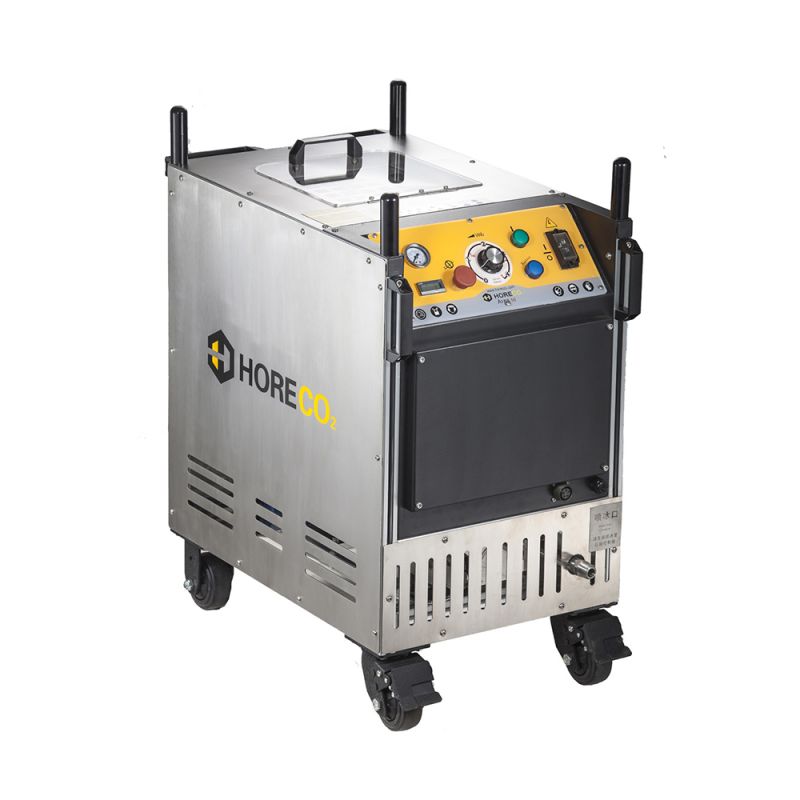
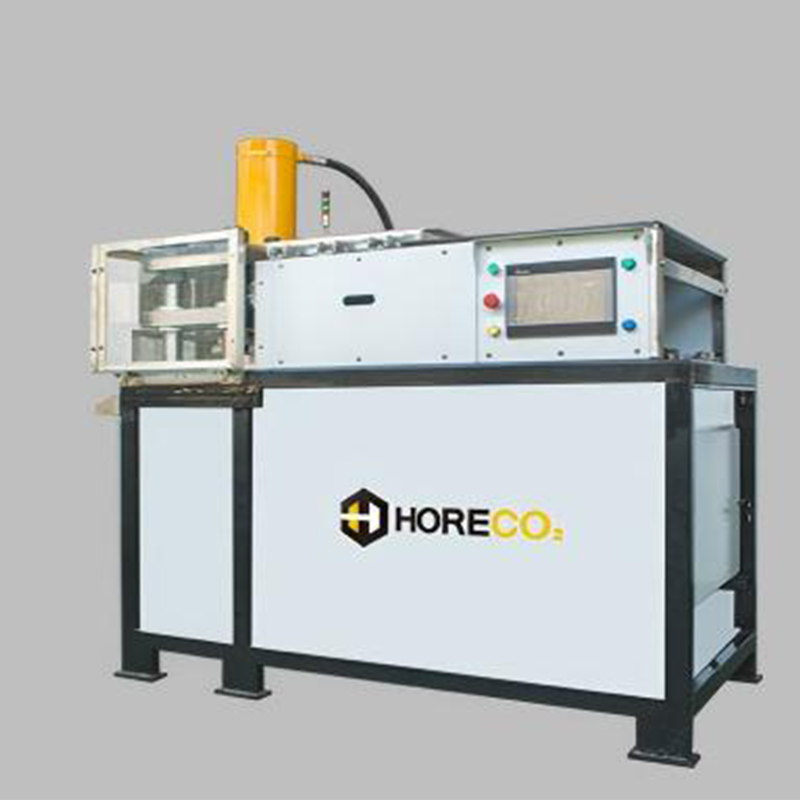
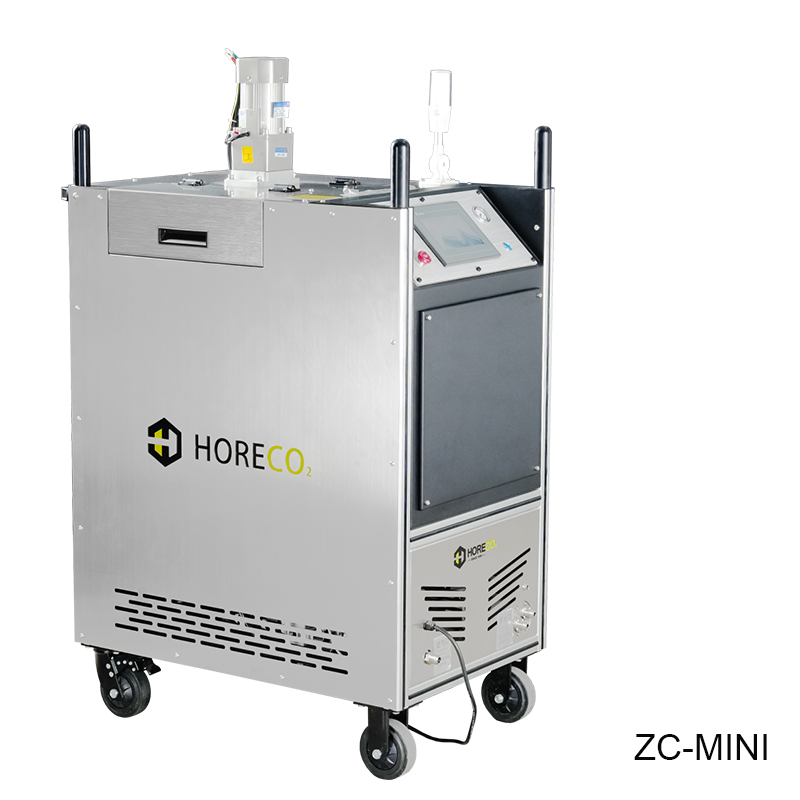
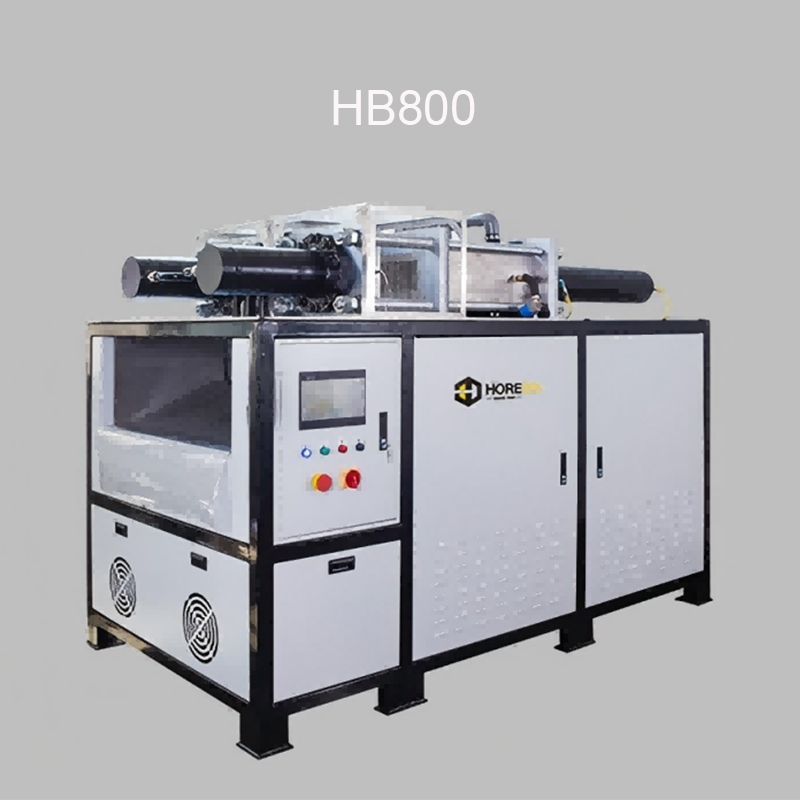
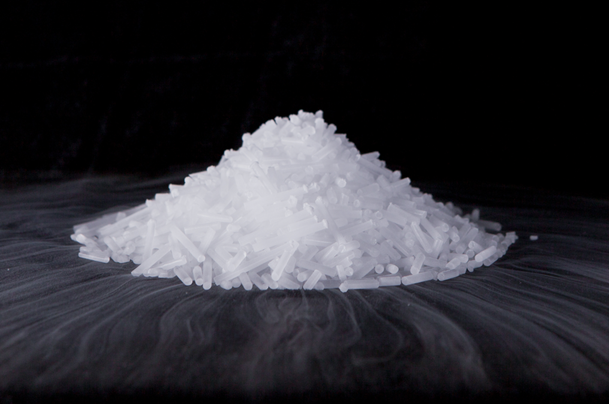
Industrial dry ice blasting, pioneered by companies like HORECO2 Dry Ice Blasting Equipment & Service Co., Ltd., offers a paradigm shift. Unlike traditional methods, it uses solid CO2 pellets accelerated by compressed air to impact surfaces. Upon contact, the pellets sublimate (turn directly from solid to gas), creating micro-explosions that lift contaminants away without abrasion or moisture. Let's break down how this addresses each pain point.
Solution to Downtime: Speed and In-Place Cleaning
Dry ice blasting can reduce cleaning times by up to 80%. For instance, cleaning that robotic arm mentioned earlier might take 30 minutes instead of 4 hours, as it doesn't require disassembly or drying time. HORECO2's advanced machines, like their HDB-500 model, feature adjustable pressure (up to 150 psi) and pellet feed rates, allowing operators to tailor the process to specific soils—from light dust to heavy carbon deposits. This means maintenance can be scheduled during short breaks, minimizing disruption to production cycles.
Solution to Contamination: A Dry, Residue-Free Process
Since dry ice sublimates, it leaves no secondary waste. In pharmaceutical cleanrooms, this is critical for meeting GMP (Good Manufacturing Practice) standards, as it eliminates the risk of cross-contamination. The process is also non-conductive and non-flammable, making it safe for use near electrical components. HORECO2 equipment often includes integrated filtration systems to capture dislodged contaminants, further enhancing cleanliness.
Solution to Damage: Non-Abrasive and Gentle on Substrates
By avoiding abrasives, dry ice blasting preserves the integrity of surfaces. It's effective on everything from delicate aluminum alloys in aircraft to hardened steel in molds, without altering tolerances or creating heat-affected zones. This extends equipment lifespan, reducing long-term capital expenditure. HORECO2's R&D focuses on optimizing pellet size and velocity to balance cleaning power with surface protection, backed by rigorous testing in their labs.
Real-World Impact: Client Success Stories from Around the Globe
To illustrate the transformative power of dry ice blasting, here are fictional but plausible case studies based on typical industry challenges, showcasing measurable outcomes.
Case 1: Automotive Manufacturer in Detroit, USA
Challenge: A major auto plant struggled with cleaning paint booth overspray from robotic arms, causing weekly 6-hour shutdowns and quality defects. Solution: HORECO2 deployed their HDB-300 machine with a specialized nozzle for tight spaces. Results: Cleaning time reduced to 45 minutes per booth, downtime cut by 90%, and paint adherence improved by 15%. Annual savings: $250,000 in labor and lost production. Quote: "The dry ice system turned our maintenance from a headache into a strategic advantage," says the plant manager.
Case 2: Food Processing Facility in Rotterdam, Netherlands
Challenge: Bacterial biofilm buildup on conveyor belts led to frequent sanitation shutdowns and compliance risks. Solution: HORECO2 provided a mobile blasting unit with food-grade CO2 pellets. Results: Biofilm removal achieved in 20 minutes versus 2 hours with steam, reducing water usage by 70% and meeting EU hygiene standards consistently. Quote: "It's revolutionized our cleaning protocols, making them faster and more sustainable," notes the quality control head.
Case 3: Aerospace Component Supplier in Toulouse, France
Challenge: Cleaning composite molds without damaging surfaces, previously taking 12 hours with solvents. Solution: HORECO2's precision blasting system with variable pressure control. Results: Cleaning time halved to 6 hours, solvent use eliminated, and mold lifespan extended by 30%. Quote: "The precision and cleanliness are unmatched—it's become integral to our production," reports the engineering director.
Case 4: Power Generation Plant in Tokyo, Japan
Challenge: Soot accumulation on turbine blades causing efficiency drops of 5%. Solution: On-site dry ice blasting during scheduled maintenance. Results: Turbine efficiency restored to 99%, with no abrasive damage to blades, saving $50,000 annually in energy costs. Quote: "A game-changer for our predictive maintenance strategy," says the operations supervisor.
Case 5: Electronics Assembly Line in Silicon Valley, USA
Challenge: Flux residue on circuit boards requiring delicate cleaning to avoid static damage. Solution: Low-pressure dry ice blasting in a controlled environment. Results: Cleaning throughput increased by 40%, with zero board failures post-cleaning. Quote: "It's the perfect blend of efficacy and safety for high-tech manufacturing," comments the production lead.
Applications and Strategic Partnerships: Where and How It Fits
Dry ice blasting isn't limited to niche uses; it spans diverse sectors, often supported by collaborations that enhance its credibility.
Key Application Areas:
- Aerospace: Cleaning engine parts, composite molds, and hangar floors without harming sensitive materials.
- Automotive: Deburring, paint preparation, and maintenance of welding robots.
- Food and Beverage: Sanitizing processing equipment to meet strict hygiene standards.
- Pharmaceutical: Removing powders and residues in cleanrooms without contaminants.
- Energy: Descaling boilers, cleaning solar panels, and maintaining wind turbines.
- Maritime: Hull cleaning to improve fuel efficiency and reduce drag.
Partnerships and Authority: HORECO2 collaborates with industry leaders to drive innovation. For example, they partner with Siemens for integration into automated production lines, ensuring compatibility with Industry 4.0 systems. They also work with environmental agencies to certify their processes as eco-friendly, aligning with global sustainability initiatives like the EU's Green Deal. Procurement teams from companies like Bosch and Nestlé have adopted HORECO2 equipment after rigorous trials, citing its ROI and reliability. These relationships aren't just transactional; they involve joint R&D to tailor solutions, such as developing custom pellet formulations for specific soil types, reinforcing HORECO2's role as a trusted advisor rather than just a vendor.
FAQ: Answering the Tough Questions from Engineers and Buyers
Based on common inquiries from professionals in the field, here are detailed answers to technical and practical concerns.
Q1: How does dry ice blasting compare in cost to traditional methods over the long term?
A: While the initial investment in a machine like HORECO2's HDB-series (ranging from $20,000 to $100,000) may be higher, the total cost of ownership is often lower. Consider: reduced downtime (saving thousands per hour), elimination of consumables like abrasives or chemicals, lower waste disposal fees, and extended equipment life. A typical ROI is achieved within 6-18 months, depending on usage. For instance, in a mid-sized plant, annual savings on labor and materials can exceed $100,000, making it a cost-effective upgrade.
Q2: Is it safe to use in confined spaces or near electrical systems?
A: Yes, with proper precautions. Dry ice blasting is non-conductive and non-flammable, but it does produce CO2 gas, which can displace oxygen in enclosed areas. HORECO2 recommends using ventilation systems or their models with integrated exhausts, and training operators on safety protocols. For electrical applications, it's ideal as it leaves no residue that could cause shorts, but always de-energize equipment when possible, as with any cleaning method.
Q3: What types of contaminants can it effectively remove?
A: It excels at removing organic and inorganic deposits: grease, oils, paints, adhesives, carbon buildup, rust, scale, and even biofilms. However, it's less effective on thick, tenacious coatings like some epoxies without multiple passes. HORECO2 provides soil compatibility charts and offers trial sessions to test specific scenarios, ensuring it matches your needs.
Q4: How does the environmental impact compare to solvents or abrasives?
A: Dry ice blasting is significantly greener. It uses recycled CO2 (a byproduct of industrial processes), produces no hazardous waste, and reduces water consumption. In contrast, solvents contribute to VOC emissions, and abrasives generate landfill waste. HORECO2's processes are certified under ISO 14001 for environmental management, supporting corporate sustainability goals.
Q5: Can it be integrated into automated or robotic systems for large-scale operations?
A: Absolutely. HORECO2 designs machines with Industry 4.0 compatibility, featuring PLC controls and interfaces for robotic arms. For example, in automotive plants, their systems are often paired with KUKA or ABB robots for unmanned cleaning cycles, boosting efficiency and consistency. They provide full support for integration, from software to training.
Conclusion: Taking the Next Step Towards Smarter Maintenance
So, can industrial dry ice blasting truly transform your maintenance operations? The evidence suggests a resounding yes. By tackling downtime, contamination, and damage head-on, it offers a sustainable, efficient alternative that aligns with the demands of modern manufacturing. From Detroit to Tokyo, companies are reaping the benefits—faster cleaning, lower costs, and enhanced safety. But understanding the theory is just the start; the real value comes from applying it to your unique challenges.
If you're an engineer or procurement manager looking to optimize your processes, don't settle for incremental improvements. Explore how HORECO2 Dry Ice Blasting Equipment & Service Co., Ltd. can tailor a solution for you. Request our detailed technical white paper, which dives deeper into machine specifications, case studies, and ROI calculations, or schedule a consultation with our sales engineers to discuss a pilot project. Visit our website or contact us directly—because in today's competitive landscape, the right technology isn't just an option; it's a necessity for staying ahead. Transform your maintenance from a cost center into a strategic asset, one blast at a time.
