

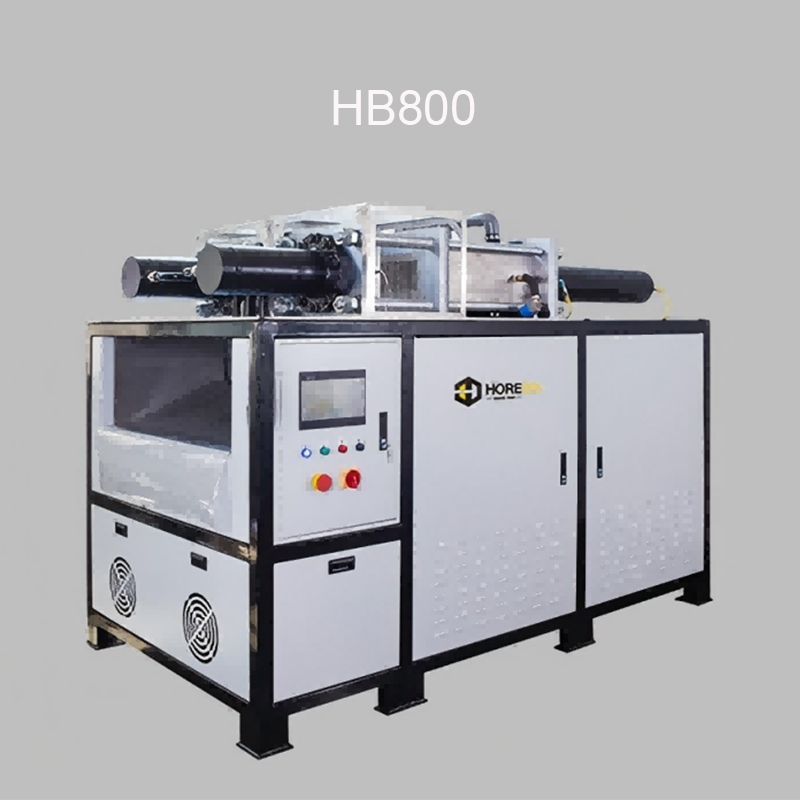
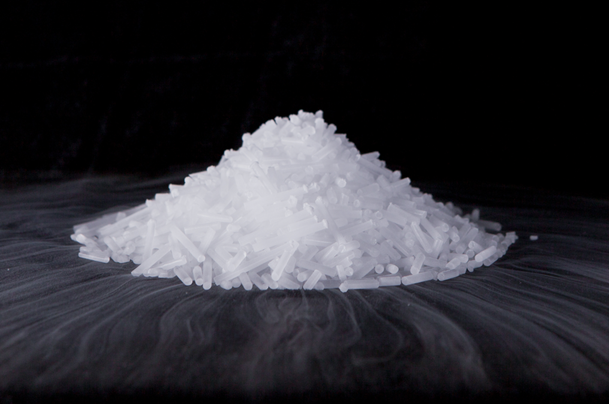
Dry ice cleaning can clean a variety of industrial materials, including but not limited to:
Molds: such as tire molds, polyurethane molds, rubber molds, alloy die-casting molds, etc.
Food Industry: such as biscuit ovens, conveyor belts, egg pancake molds, etc., using dry ice for low-temperature dry cleaning to prevent bacterial growth.
Electronics and Motors: such as circuit boards, photocopiers, electric motors, generators, etc., dry cleaning prevents short circuits and leakage.
Marine Industry: such as ship hulls, inlet valves, condensers, etc., providing a cleaner finish than conventional high-pressure water jet cleaning.
Automotive Industry: such as door panels, roofs, and passenger compartments, leaving no water stains; cleaning engine and undercarriage oil stains will not cause water pollution.
Aircraft Industry: such as jet engines, gearboxes, landing gear, etc., allowing direct operation after oil removal, saving time.
Power Plants: such as cleaning turbine blades without removing them, eliminating the need for blade kinetic balance readjustment.
Other Industries: such as printing, petrochemicals, etc.
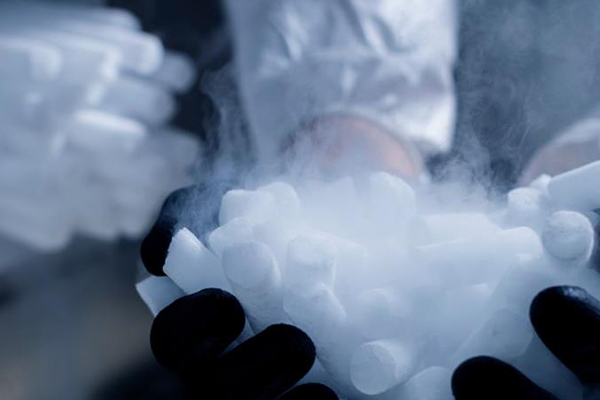
Dry ice cleaning offers significant advantages over traditional cleaning methods across various industries, with outstanding performance in mold making, electronics and motors, and new energy vehicles. It improves operational efficiency and saves costs for businesses, making it a leading industrial cleaning solution in recent years.
Dry ice cleaning can clean a wide variety of materials.
Metals that can be cleaned include, but are not limited to, soft and hard metals: hard metals are primarily cleaned to remove surface oil and rust, while soft metals can be cleaned not only to remove oil but also to remove burrs. Its application is widely used for cleaning burrs on precision aluminum workpieces, offering higher efficiency and lower costs compared to traditional cleaning methods:
Iron and steel: Removes rust and dirt from iron and steel surfaces.
Aluminum and copper: Removes oxides, dirt, and burrs from aluminum and copper surfaces.
Other metals: Dry ice cleaning can also be used to clean surfaces of metals such as titanium and magnesium.
Dry ice cleaning can clean various plastic materials: Polyethylene (PE): including low-density polyethylene (LDPE) and high-density polyethylene (HDPE). Polypropylene (PP): A colorless, translucent, lightweight plastic.
Polyvinyl chloride (PVC): Rigid PVC has high hardness and is lightweight.
Polyester (PET): Excellent impact resistance, thermal stability, and chemical resistance.
Polycarbonate (PC): Colorless and transparent, heat-resistant, impact-resistant, and flame-retardant.
ABS: High strength, impact-resistant, and easy to dye.
PS: Colorless and transparent, lightweight, good moldability, and good impact resistance.
PA: Nylon, high mechanical strength, impact-resistant, and abrasion-resistant.
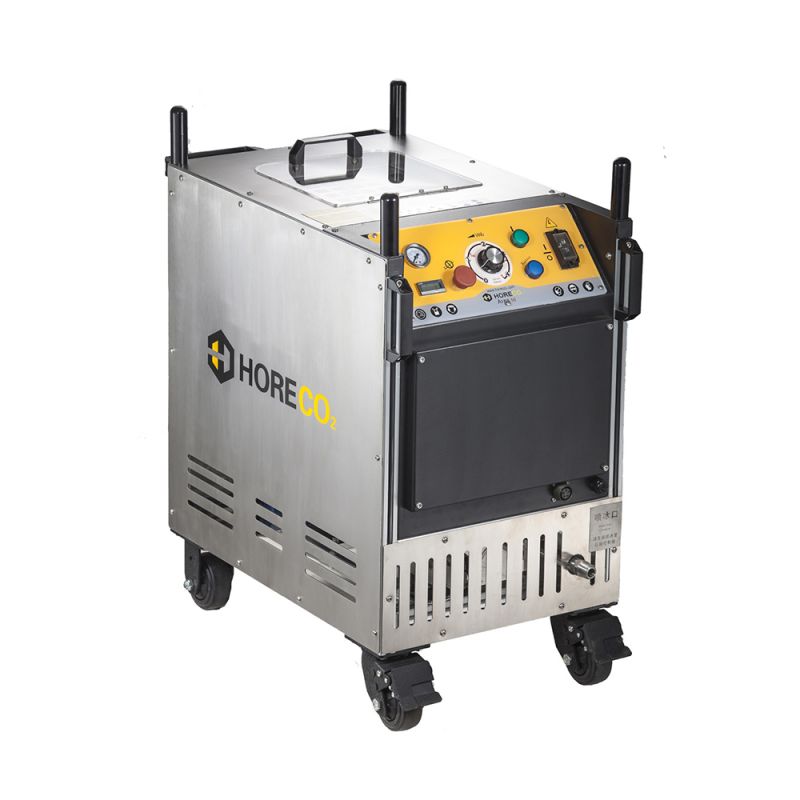
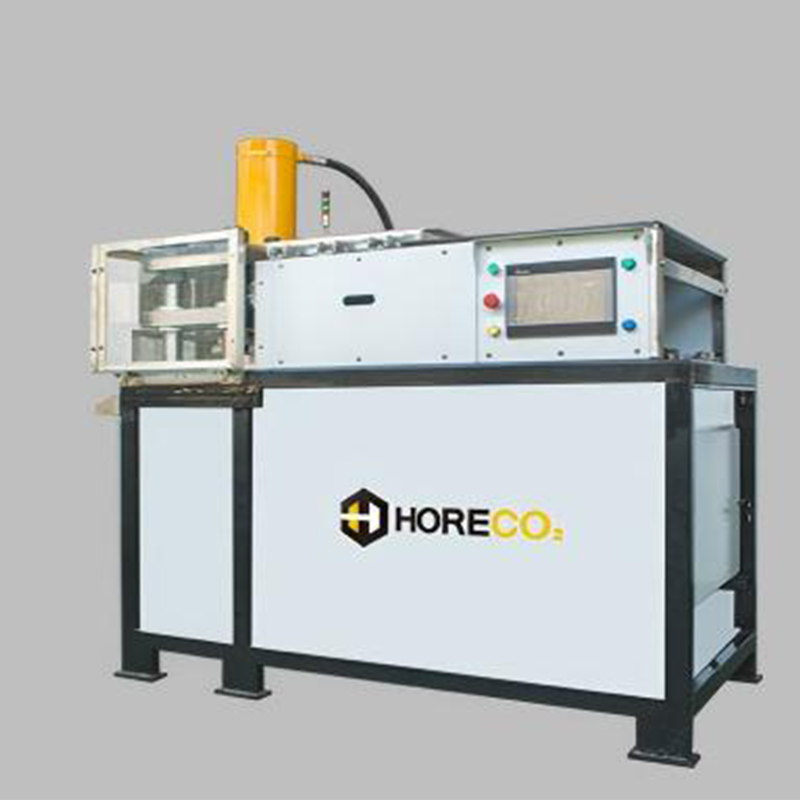
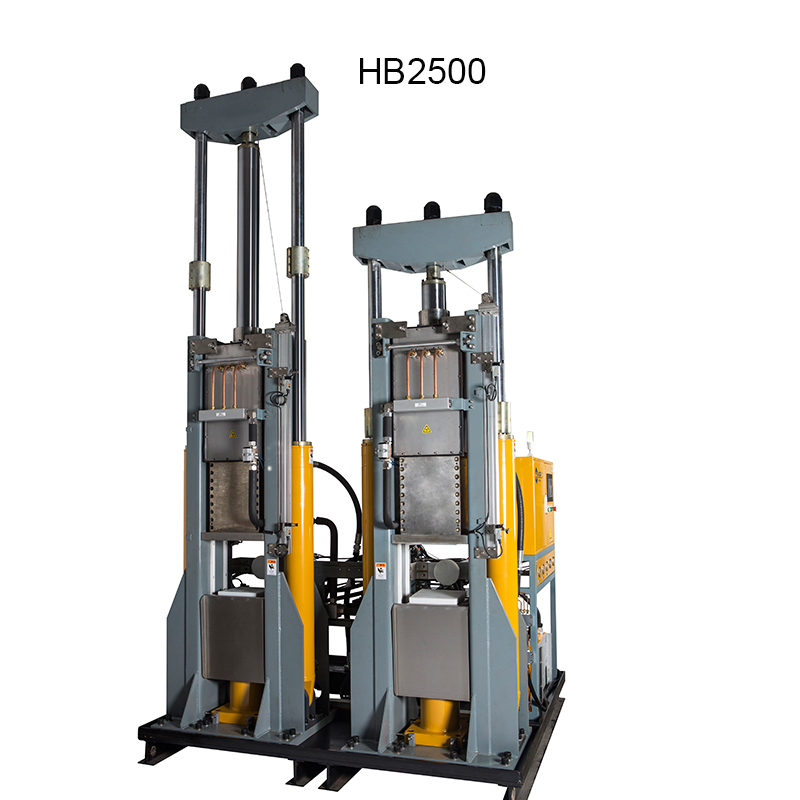
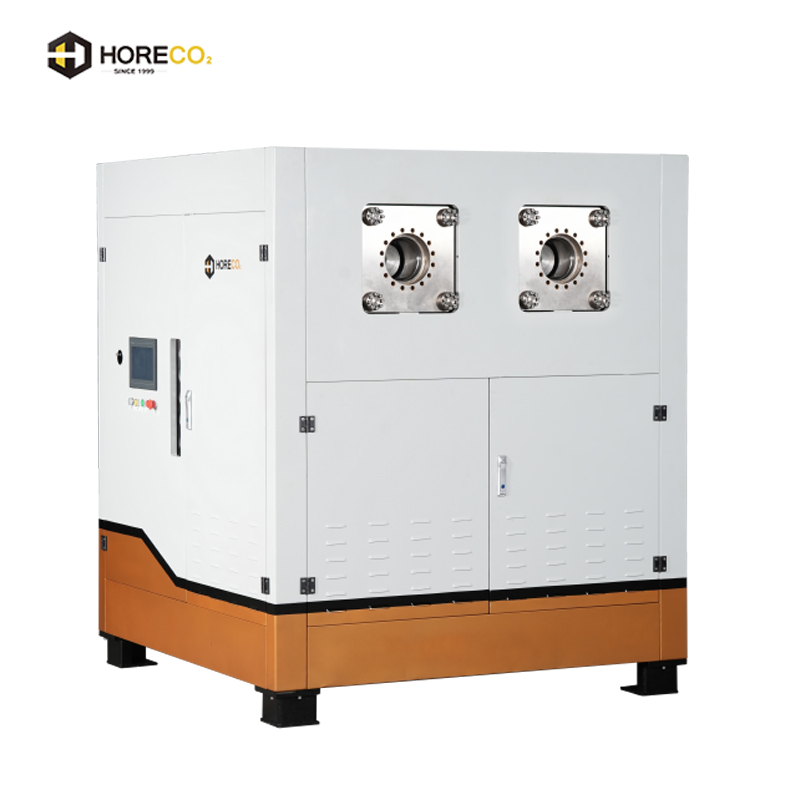
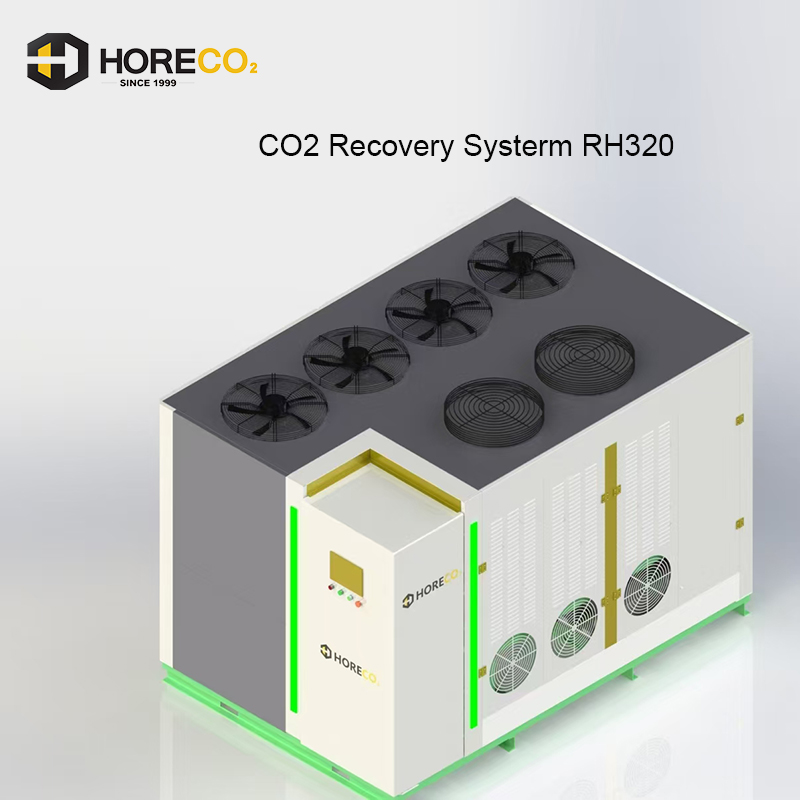
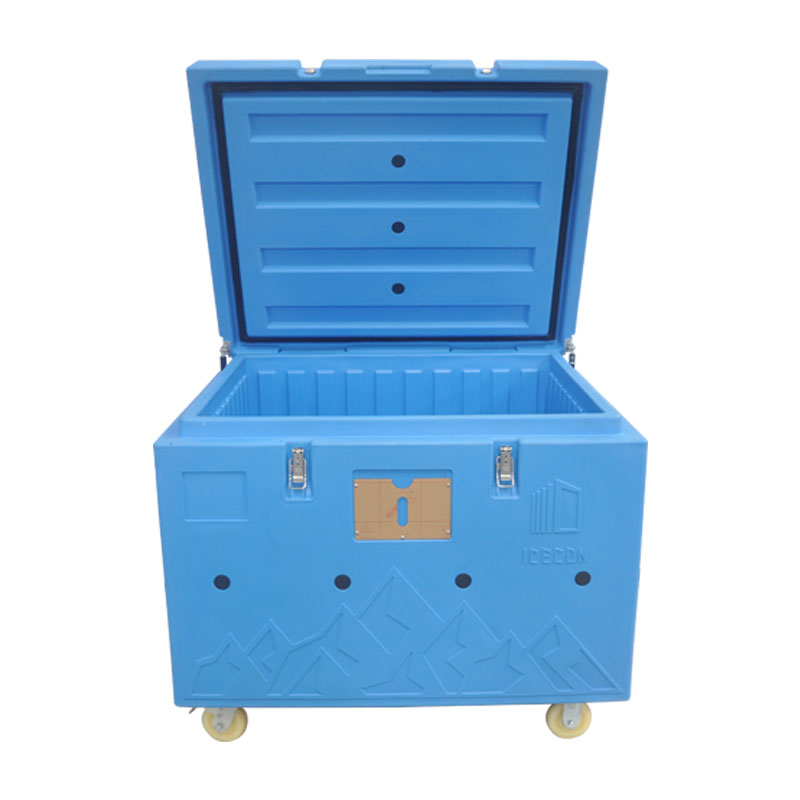
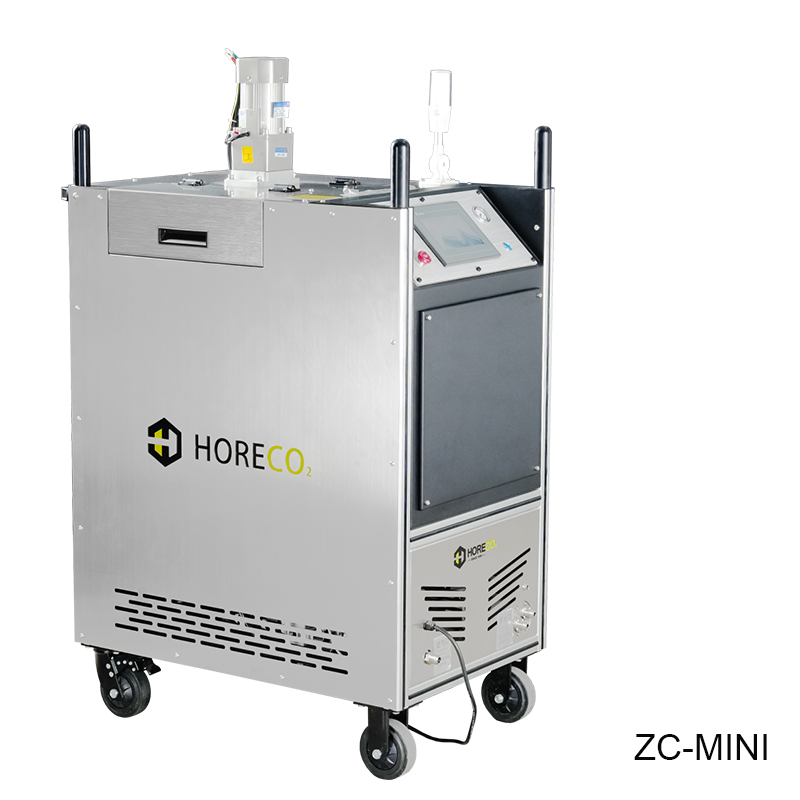
As global demand for dry ice continues to increase, especially in medical cold chain, fresh food delivery, and environmentally friendly cleaning applications, our factory will continue to expand research efforts and upgrade product innovation. We aim to remain a trusted partner for companies seeking reliable DRY ICE MAKING MACHINE, DRY ICE BLOCK MACHINE, DRY ICE BLASTING MACHINE, DRY ICE STORAGE CONTAINER, and OTHER DRY ICE PRODUCTION EQUIPMENT.
We look forward to supporting more global customers with advanced solutions that improve efficiency, elevate product quality, and drive sustainable industrial development.
